Spot the Half-Truth: Free Printable Ad Checklist for Students
Every day people are trying to sell you something or persuade you to support a cause. Learn how to recognize the partial claims and half-truths these manipulators are using.
Read More

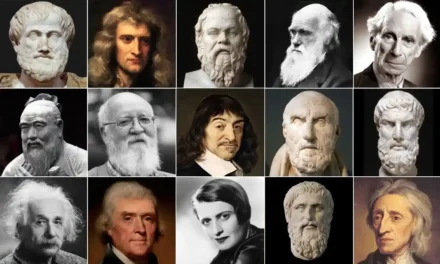
Critical thinking is how you stop taking claims at face value—news, ads, politics, and everyday arguments. This section gathers practical essays on spotting bias and half-truths, testing sources, and building habits of mind that hold up under pressure.
Browse the articles below for concrete strategies: how to read the news without being steered, how advertisers and persuaders work, and how to tell when you’re the one being unreflective. Start with a piece that matches the pressure you feel most often, then follow the threads that interest you.
If you want a clear entry point, try Why being a good critical thinker matters or Are you a good critical thinker?—then branch into media, advertising, and persuasion from there.

Every day people are trying to sell you something or persuade you to support a cause. Learn how to recognize the partial claims and half-truths these manipulators are using.
Read More
An unsophisticated thinker is someone who does not think deeply about things. They tend to accept information at face value and are not good at identifying bias or fallacies. They may also be more likely to make snap judgments and decisions without considering all the options.
To move from being an unsophisticated thinker to a good critical thinker, there are a few things you can do. These include being aware of your own biases, being open to new information, and being willing to change your mind.
Read More
A clear distinction between politicians and statesmen. It also provides strategies to avoid being misled by politicians, such as being skeptical, evaluating their statements, following the money, and paying attention to how they manipulate emotions and prejudices.
Read More
Becoming a good critical thinker requires that you learn and practice good habits of mind. Start here.
Read More
In a world where our thinking is often flawed and biased, learning to become a critical thinker is more important than ever. By understanding our own thought processes and practicing critical thinking skills, we can improve our lives and the lives of those around us.
Read More
Media manipulation is a pervasive practice that involves shaping the public’s perception and beliefs through various techniques. From selective reporting to outright propaganda, media manipulation has the potential to distort reality and influence public opinion, ultimately affecting societal values and behaviors.
Read More
Learn 14 strategies you can actually use to avoid being misled or scared by the news media.
Read More
Learn about the pitfalls of being an unreflective thinker.
Read More
We possess unique abilities that must be fostered, cultivated, and systematically practiced. We must learn how we can become critical thinkers and in the process harness those abilities to create a better world.
Read More
Beware of people trying to influence your thoughts or actions through the use of the three subtle persuasion techniques described in this article.
Read More
Every day people are trying to sell you something or persuade you to support a cause. Learn how to recognize the partial claims and half-truths these manipulators are using.
Read More
Learn how to assess the credibility of your sources so you can know how much you can trust them. In a world in which we face a barrage of opinions and half-truths it will be critical to make well-informed decisions.
Read More