


Thinking Traps: Cognitive Distortions
A
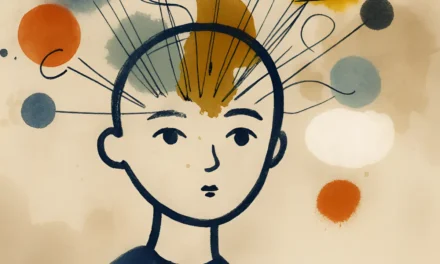
child can misread a glance or mistake a silence for rejection—and suddenly, their whole world feels hostile. These are cognitive distortions: deeply human but inaccurate patterns of thought that twist how we interpret reality. When children assume the worst, see things in black and white, or believe one failure defines them, their confidence and reasoning suffer. These distortions quietly block learning, stunt emotional growth, and turn minor moments into major wounds. Helping your child spot these patterns doesn’t just ease stress—it sharpens their mind. The goal isn’t false positivity; it’s clarity. By teaching them to challenge distorted thoughts, you give them a tool they’ll use for life.
One afternoon, my son came home quiet after a school presentation. “I messed everything up,” he said, slumping into a chair. I asked what had gone wrong. “I stumbled once—and now everyone thinks I’m dumb.” That’s all-or-nothing thinking, a classic distortion. I told him I saw him practicing hard and asked what parts went well. Slowly, he admitted the audience clapped, and his teacher smiled. We named what had happened—a distorted thought had taken over—and reframed the story. “I stumbled, but I also finished strong,” he said later, shoulders lifted. That one conversation helped him spot the pattern next time before it took root.
You don’t need to be a psychologist to teach your child this skill. Start by naming common distortions: all-or-nothing thinking, catastrophizing, mind-reading, labeling (or others). Point them out gently when they appear. If your child says, “I always mess up,” pause and ask, “Is that true, or is your brain in ‘always’ mode?” For younger children, use simple names like “thinking traps” or “brain tricks.” For teens, link it to real-life examples from social media or school. Practice turning distorted thoughts into more accurate ones together. Over time, your child will learn that emotions don’t always tell the truth—and they have the power to challenge what their mind says.
Thinking Traps

Thinking Traps: Logical Fallacies
Teach children to recognize common logical fallacies. Understanding faulty reasoning strengthens clarity, confidence, and honest communication.

Thinking Traps: Cognitive Biases
Help children understand how biases shape thinking. Awareness encourages fairness, perspective-taking, and thoughtful decision-making.
Table of contents

A Parent’s Guide to Raising Thinking Kids
Navigate the book Primordial Soup for the Mind.
TIP
-
Use moments of frustration as teaching windows. Instead of correcting your child’s feeling, ask questions like, “What’s another way to look at this?” or “What’s the full story?”
ACTIVITY
-
Make a “Thinking Trap” poster together. List common distortions (like “I always fail” or “Everyone hates me”), give each a silly name or cartoon face, and write a “truth check” to challenge it. Hang it somewhere visible.
EXAMPLE
If your child says, “I’m terrible at soccer,” respond with: “That sounds like all-or-nothing thinking. Can you name one thing you did well at practice today?”
Download “Primordial Soup for the Mind: A Parent’s Guide to Nurturing Intellectual Growth”
Get every parenting chapter on this site in one book you can keep and read offline.

Sharpen those skills!
Enter your information to get our FREE practice exercises so you can hone your critical thinking and reasoning skills!





0 Comments