



Primordial Soup for the Mind: Table of Contents
Introduction
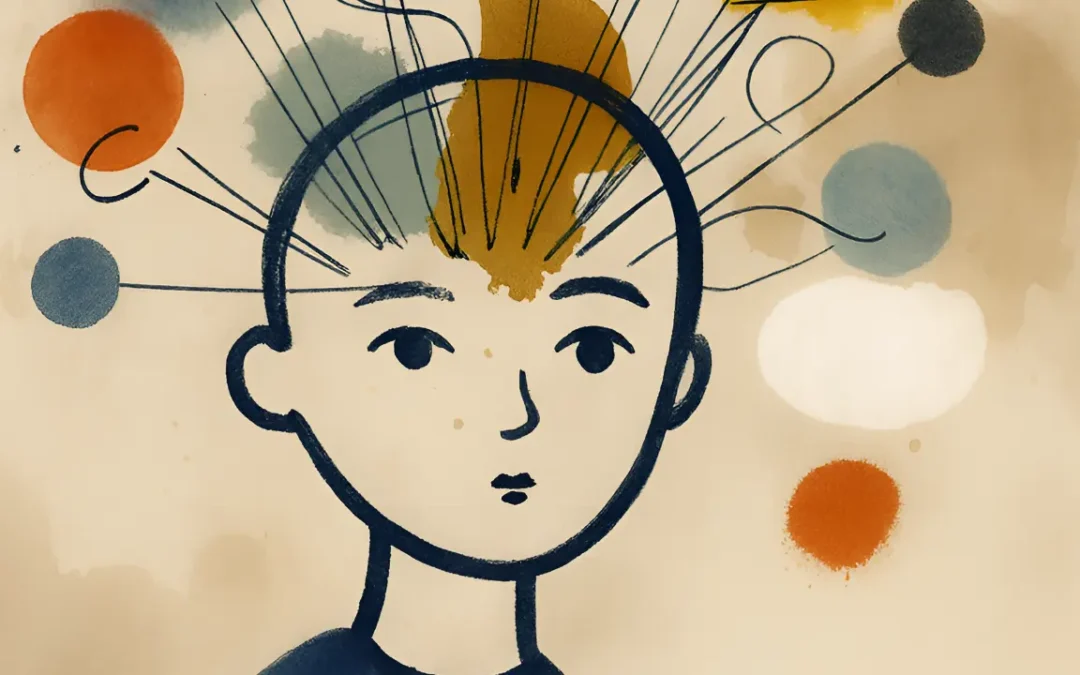
Primordial Soup for the Mind: A Parent’s Guide to Nurturing Intellectual Growth
This revolutionary parenting guide empowers parents to transform their homes into vibrant hubs of intellectual development, drawing on the wisdom of ancient Greece, the Renaissance, and the Enlightenment. Through practical, step-by-step strategies, it fosters curiosity, critical thinking, and creativity in children, blending the scientific method, logical reasoning, and healthy competition to cultivate confident, thoughtful minds.
Fostering freedom of expression

Fostering Freedom of Expression
Imagine your home as an ancient agora where kids’ voices rise freely—discover how to counter modern silence and nurture bold expression. Unlock tips to boost your child’s confidence, curiosity, and critical thinking in a safe, supportive space.
Let them share their thoughts

Let Them Share Their Thoughts: Fierce Stakes of Silent Minds
When children stop speaking up, their confidence and creativity suffer. Learn to encourage open dialogue, build resilience, and maintain a growth mindset.

Let Them Share Their Thoughts: Greek Roots of Free Thought
Explore ancient Greek traditions of free thought and how you can foster curiosity, open discussions, and critical thinking at home with your child.

Let Them Share Their Thoughts: Modern Traps Hush Their Voice
Busy schedules and screen distractions can drown a child’s voice. Discover parenting habits that nurture self-expression, boost emotional confidence, and keep kids engaged.
Creating a safe place
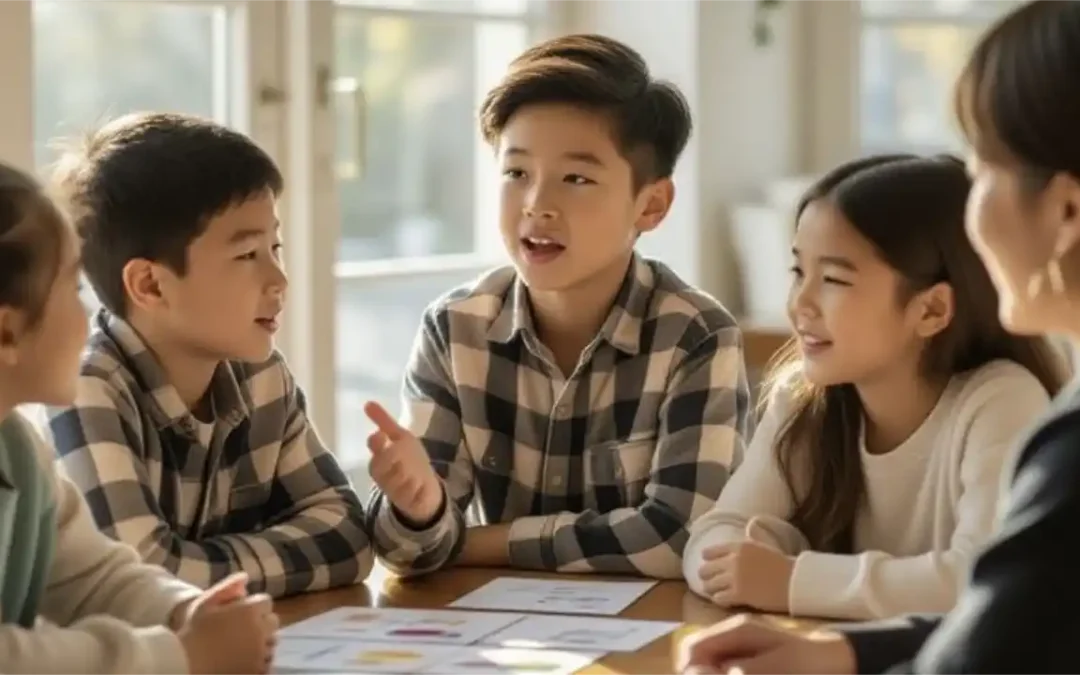
Creating a Safe Space: Open Debate Fuels Boldness
Healthy debate teaches children to think deeply and express themselves confidently. Create home routines that support respectful disagreement and growth.

Creating a Safe Space: Fair Rules Shape Open Talk
Clear discussion guidelines empower kids to speak boldly and respectfully. Discover how thoughtful rules improve family talk, confidence, and clarity.

Creating a Safe Space: Active Listening Builds Trust
Active listening helps children feel understood and valued. Learn proven ways to strengthen your connection, communication, and emotional trust at home.
Encouraging questions & curiosity

Encouraging Questions and Curiosity: Spark Wonder with Science
Simple science projects can ignite curiosity, fun, and learning. Discover easy experiments to motivate children and develop lifelong interest and thinking skills.

Encouraging Questions and Curiosity: Cheer Effort Over Answers
When you praise effort instead of correct answers, children build resilience and confidence. Learn how to encourage growth through perseverance and process.
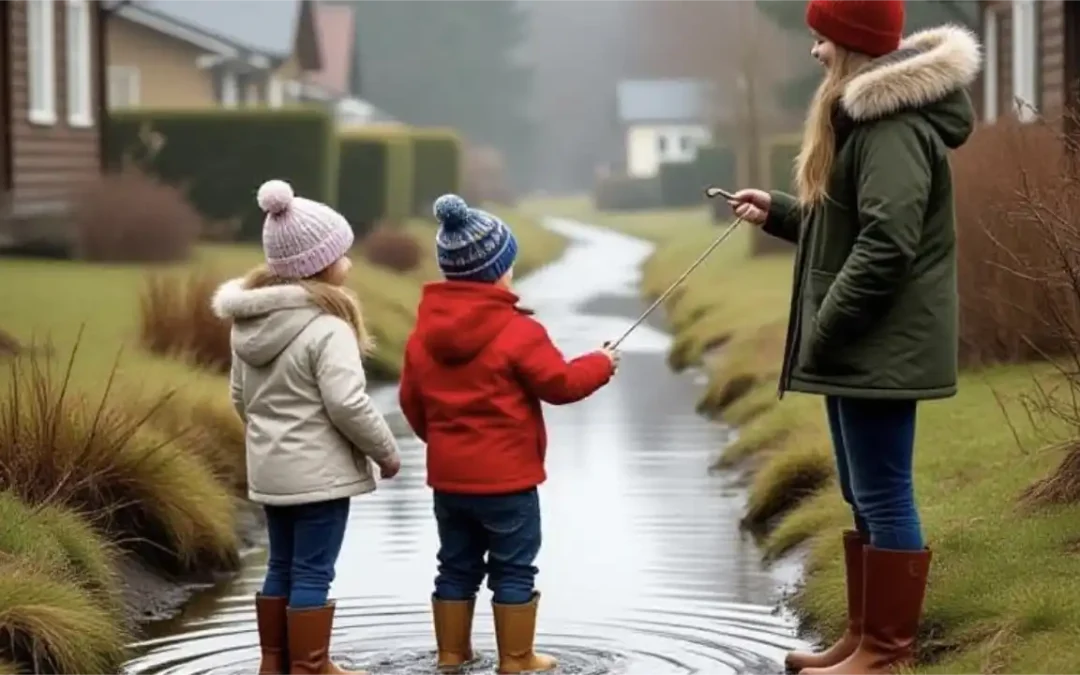
Encouraging Questions and Curiosity: Self-Discovery Through Wonder
Encouraging questions and awe helps children explore who they are and shape their worldview. Spark wonder, curiosity, and self-discovery at home.
Modeling Open-mindedness

Modeling Open-Mindedness: Honor Diverse Views
Children grow through understanding different perspectives. Learn how to encourage empathy, respectful debate, and open-minded thinking in your home.

Modeling Open-Mindedness: Weigh Truth with Reason
Teach children to evaluate claims and look for evidence. Guide them toward clear reasoning, thoughtful judgment, and strong decision-making in a noisy world.
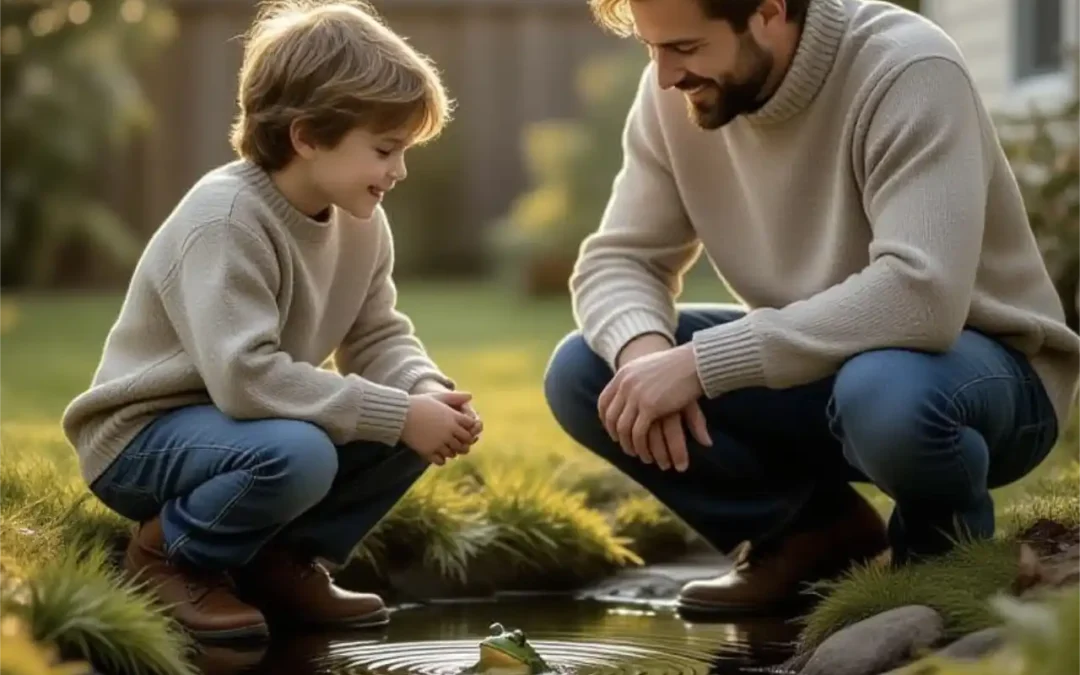
Modeling Open-Mindedness: Stay Curious About the World
Model curiosity daily and children will follow. Learn how to explore ideas as a family, ask bold questions, and keep learning alive in everyday life.
Family discussions & debates

Family Discussions and Debates: Fuel Fun in Every Spar
Make debate and discussion playful to build thinking, confidence and family connection. Embrace fun sparring at home and watch children grow strong.

Family Discussions and Debates: Play Roles to Grow Strong
Role-play gives children safe space to explore emotions, ideas, and identity. Discover strategies to use pretend play to build empathy, confidence, and flexible thinking.

Family Discussions and Debates: Clash Ideas with Fire
Encourage spirited conversations that teach children to articulate their thoughts and listen to others. Build respectful communication and confident voices.
Developing critical thinking

Developing Critical Thinking: Argue Sharp in Word Clashes
Teach children to disagree with respect and clarity. Help them build confident expression, strong reasoning, and effective communication from a young age.

Developing Critical Thinking: Solve Puzzles to Sharpen Minds
Puzzles and brain-teasers strengthen logic, attention, and problem-solving skills. Turn quiet moments into learning opportunities and intellectual growth.
Leading by example

Leading by Example: Guide Growth with Insight
Support children’s growth by helping them reflect, learn from experience, and make wise decisions. Parenting with insight deepens character and confidence.

Leading by Example: Dare to Wonder
Encourage children to ask bold questions and embrace uncertainty. Cultivate imagination, curiosity, and fearless exploration in everyday life together.
Fostering Freedom of Expression: Conclusion
Imagine your home as an ancient agora where kids’ voices rise freely—discover how to counter modern silence and nurture bold expression. Unlock tips to boost your child’s confidence, curiosity, and critical thinking in a safe, supportive space.
Embracing a Rich Tapestry of Ideas

Embracing a Rich Tapestry of Ideas
Explore Renaissance-inspired ways to expose kids to history, art, science, and philosophy. Nurture empathy, curiosity, and open-mindedness with practical family activities.
Exploring Historical & Cultural Knowledge

Exploring Historical and Cultural Knowledge: Join Cultural Events and Traditions
Participating in cultural traditions builds identity and belonging. Learn how shared celebrations strengthen family connection and cultural awareness.

Exploring Historical and Cultural Knowledge: Unravel History’s Living Threads
History becomes meaningful when children connect past stories to real life. Help them see how events shape today’s world and their own understanding.

Exploring Historical and Cultural Knowledge: Encourage Reading Books from Different Eras and Cultures
Reading across eras and cultures expands children’s worldviews, empathy, and curiosity. Learn how to curate a diverse home library for strong thinkers.
Engaging with Art & Literature
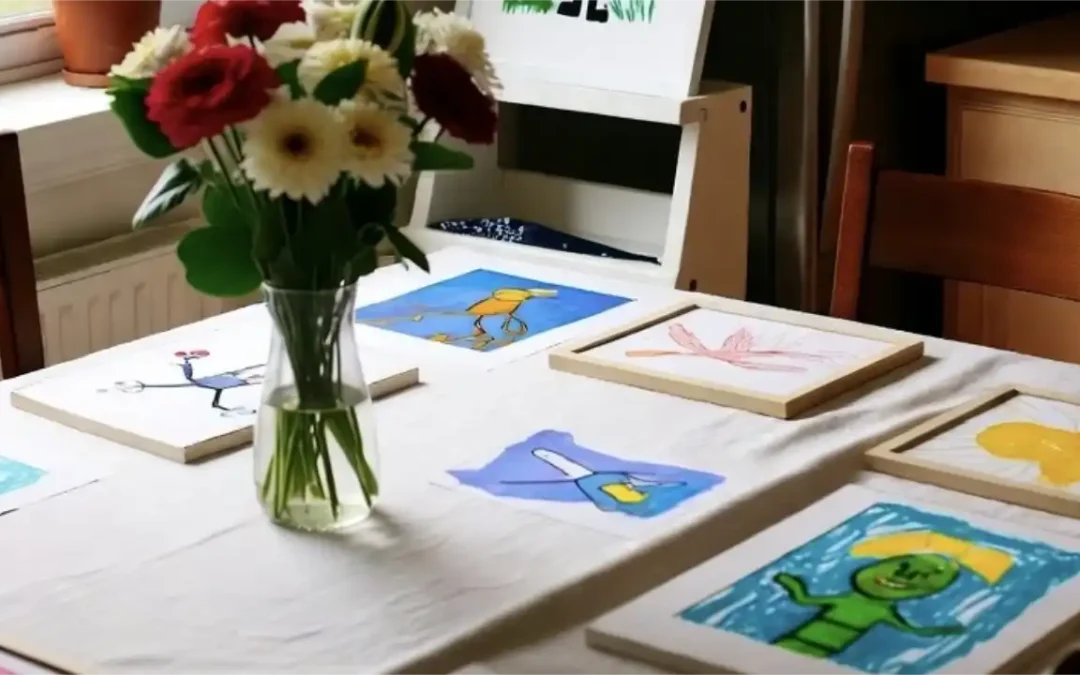
Engaging with Art and Literature: Spark Creative Contests with Art
Art contests help children express ideas and build confidence. Create playful challenges that celebrate originality, effort, and joyful creativity.

Engaging with Art and Literature: Discuss and Analyze Art to Build Thinking
Talking about art helps children observe closely and think deeply. Learn simple questions to guide reflection, interpretation, and thoughtful discussion.

Engaging with Art and Literature: Expose Children to Varied Styles and Genres
Exploring diverse music, books, and art expands imagination and empathy. Introduce children to new styles that spark creativity and flexible thinking.
Fostering Curiosity Through Science & Philosophy

Fostering Curiosity Through Science and Philosophy: Test Experiments with Wonder
Simple experiments build curiosity, confidence, and hands-on understanding. Encourage children to explore, ask, and discover with playful scientific wonder.

Fostering Curiosity Through Science and Philosophy: Introduce Philosophical Questions
Philosophical questions encourage deep thinking and reflection. Learn how to invite children to explore big ideas with openness and curiosity.

Fostering Curiosity Through Science and Philosophy: Explore Scientific Discoveries Across Eras
Show children how science grows over time through discovery and curiosity. Explore old ideas to deepen understanding and inspire future questioning.
Encouraging Open-Mindedness

Encouraging Open-Mindedness: Explore Diverse Logic Across Views
Show children that different cultures and thinkers use different logical frameworks. Broaden understanding, curiosity, and reasoning flexibility.

Encouraging Open-Mindedness: Engage with Differing Viewpoints
Listening to contrasting perspectives strengthens empathy and reasoning. Create calm space at home for exploration of ideas and respectful dialogue.

Encouraging Open-Mindedness: Evaluate Ideas by Their Merit
Teach children to judge ideas based on evidence and clarity—not popularity. Support independent thinking, fairness, and thoughtful decision-making.
Using Technology as a Gateway

Using Technology as a Gateway: Build Tech Projects Together
Hands-on tech projects teach problem-solving and creativity. Learn how to build, code, and explore technology as a collaborative family adventure.

Using Technology as a Gateway: Wander Virtual Tours of History
Virtual tours bring history to life with vivid detail. Explore museums, ruins, and cultures together to spark curiosity and deeper understanding.

Using Technology as a Gateway: Explore Online Worlds of Knowledge
Use online resources to nurture curiosity and learning while staying mindful of balance. Help children explore thoughtfully, safely, and creatively.
Embracing the Parental Role

Embracing the Parental Role: Weave Ideas into Family Talks
Daily conversations shape thinking. Make family dialogue a place for curiosity, reflection, and shared understanding.
Embracing a Rich Tapestry of Ideas: Conclusion
Weave history, art, science, and curiosity into your child’s world to foster deep thinking and empathy. Discover family activities that nurture insight, imagination, and lifelong learning.
Supporting Creative Pursuits
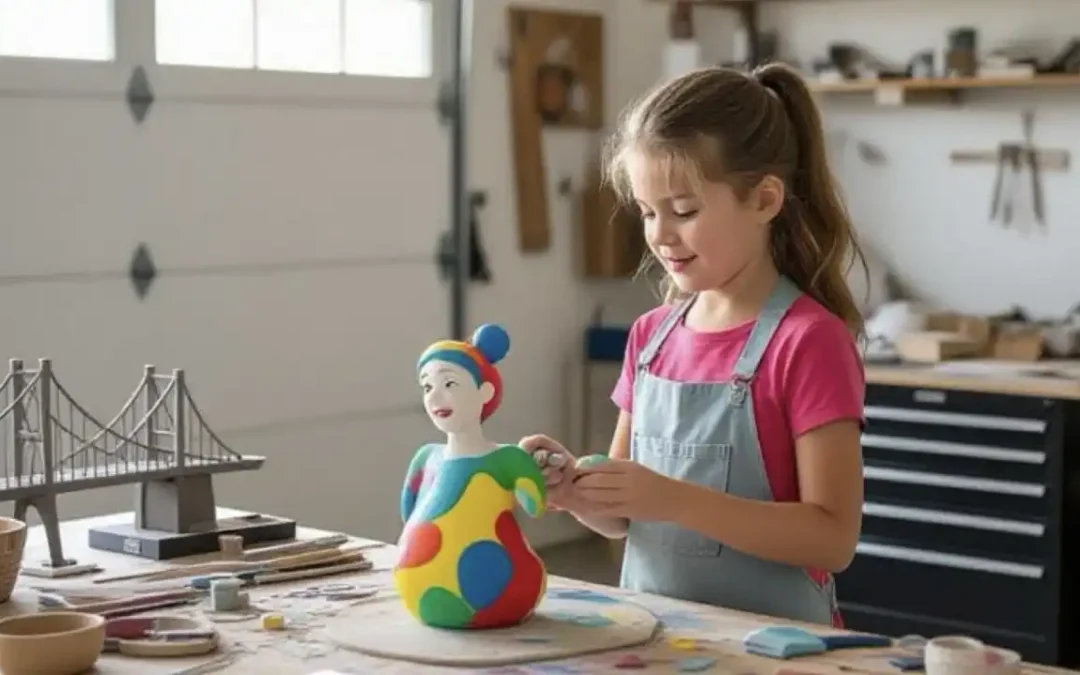
Supporting Creative Pursuits
Turn your home into a creative crucible with tools, space, and encouragement to spark kids’ imagination and skill. Discover practical ways to nurture bold experimentation and lasting creativity.
Encouraging Exploration of Interests
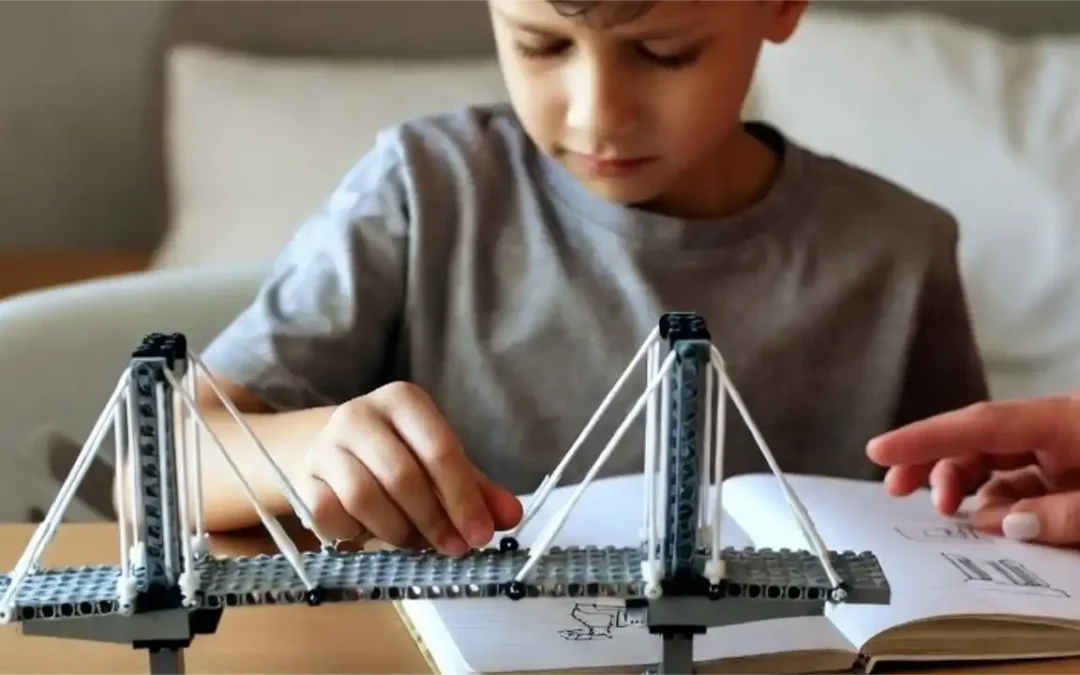
Encouraging Exploration of Interests: Test Ideas with Simple Questions
Asking “why” and “how” teaches children to think. Guide reasoning gently with simple questions that deepen understanding and curiosity.
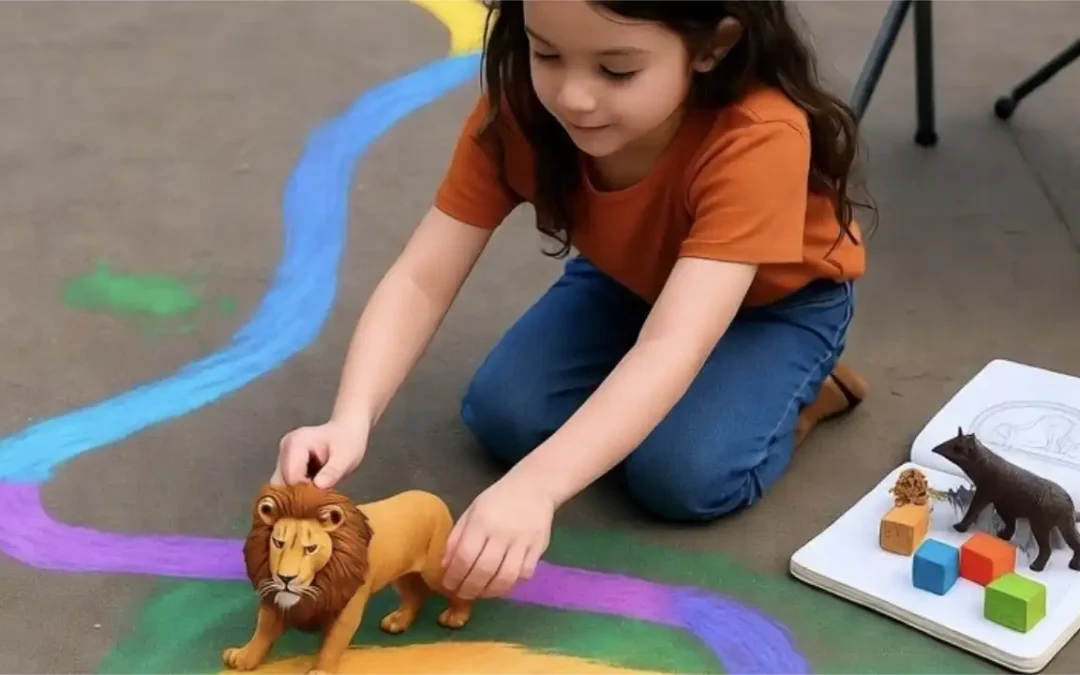
Encouraging Exploration of Interests: Offer Age-Appropriate Creative Activities
Creative activities should match a child’s stage of growth. Learn how to choose projects that inspire joy, challenge, and self-expression.
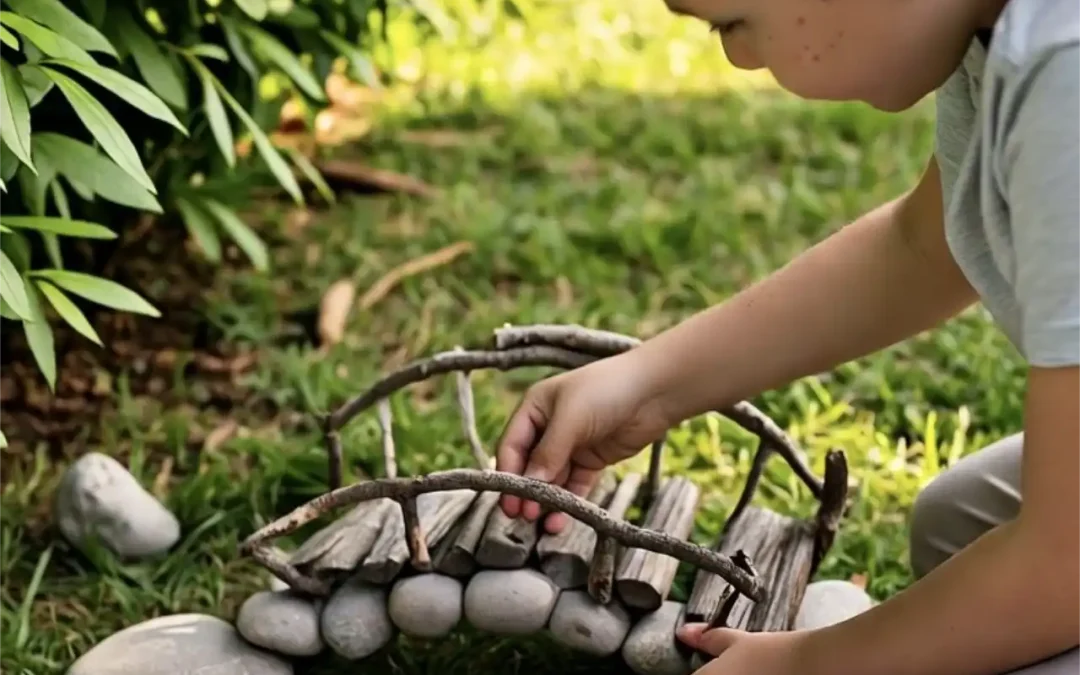
Encouraging Exploration of Interests: Notice Interests and Ask Questions
Follow your child’s interests with curiosity and support. Asking thoughtful questions encourages motivation, creativity, and deeper engagement.
Providing Resources & Opportunities
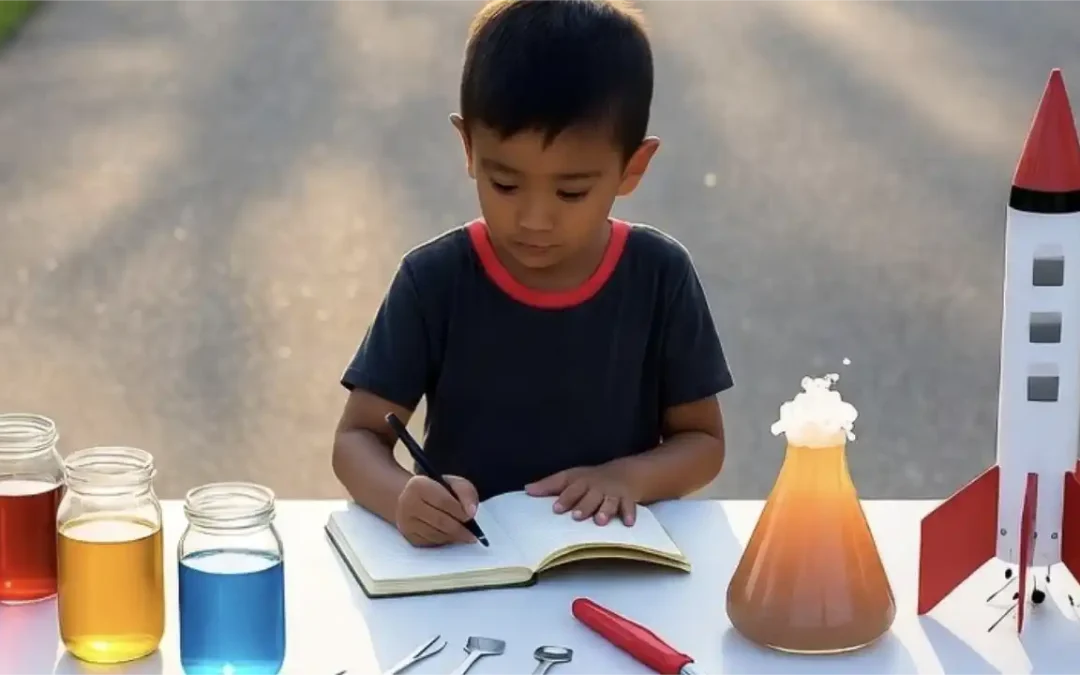
Providing Resources and Opportunities: Provide Science Kits and Contests
Science kits turn curiosity into discovery. Learn how hands-on experimentation builds confidence, reasoning, and scientific thinking.
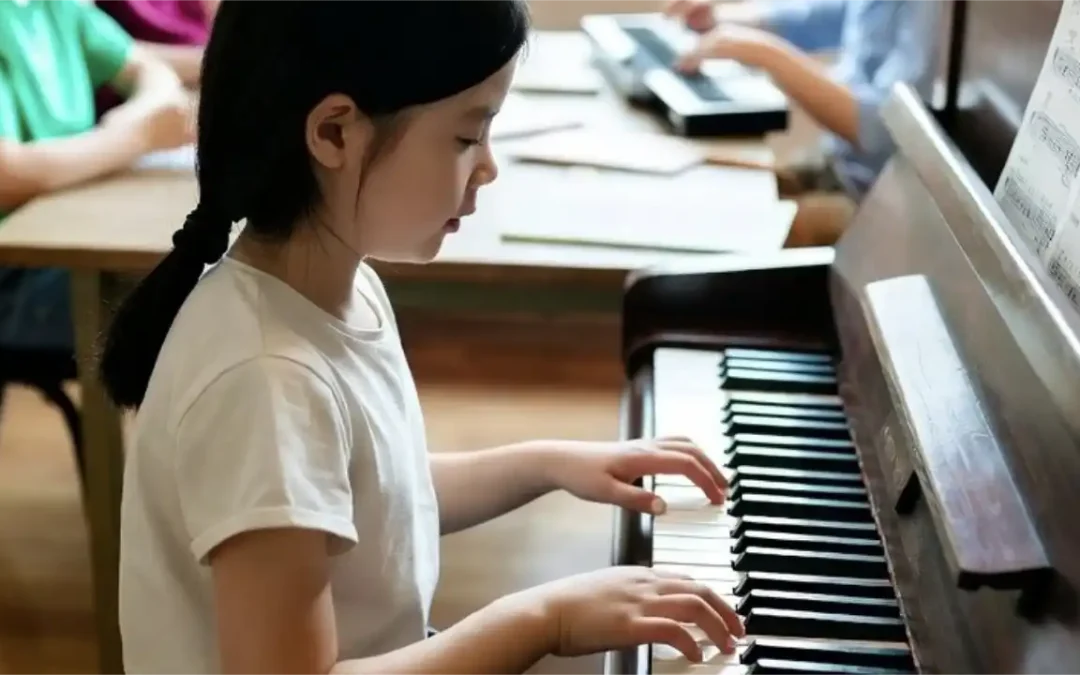
Providing Resources and Opportunities: Enroll in Classes or Workshops
Workshops expose children to new skills, mentors, and hands-on experiences. Discover how structured exploration builds confidence and curiosity.
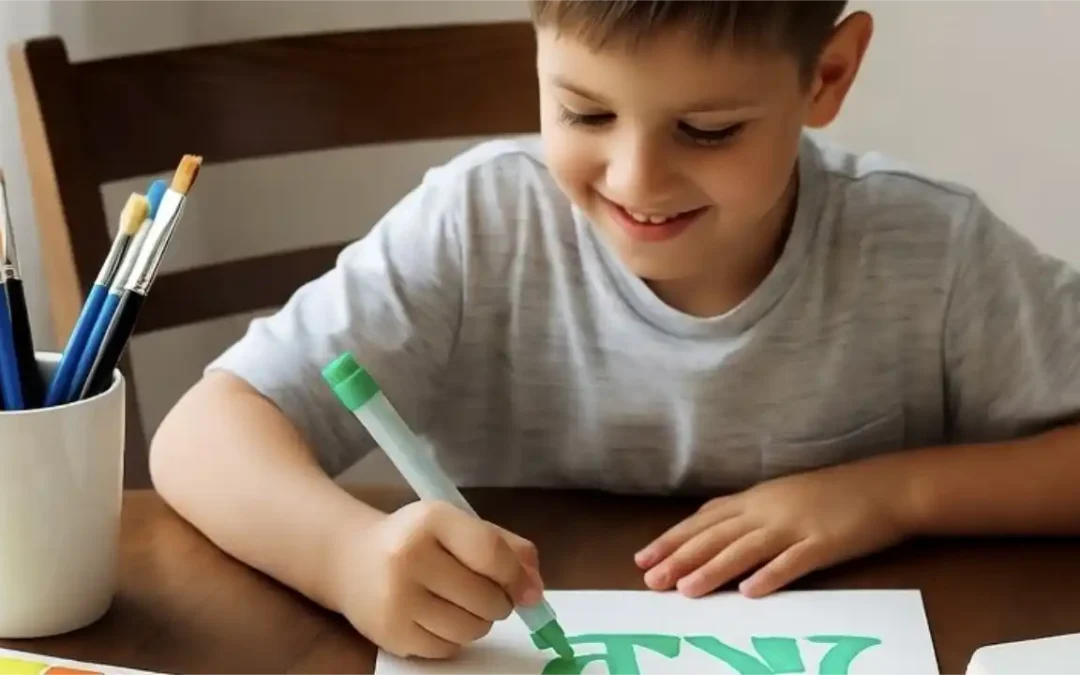
Providing Resources and Opportunities: Invest in Quality Materials
The right tools make learning inspiring. Learn how thoughtful materials can encourage creativity, exploration, and long-term curiosity.
Fostering a Creative Environment
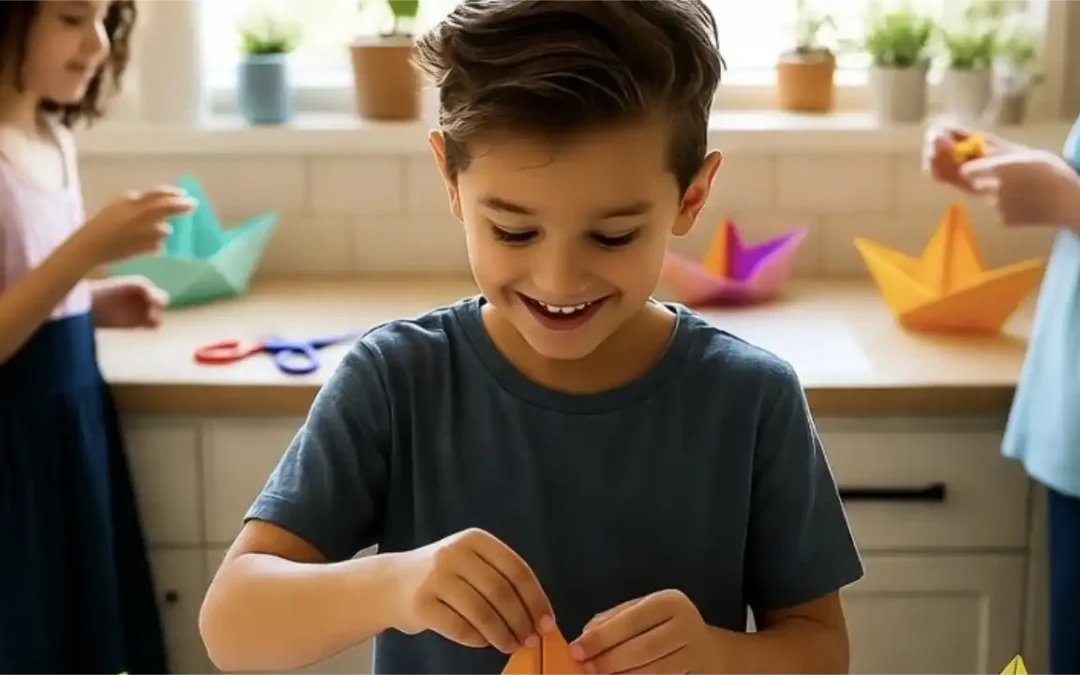
Fostering a Creative Environment: Blend Competition and Family Projects
Healthy competition can motivate without pressure. Learn how to balance teamwork and friendly challenge in creative family projects.
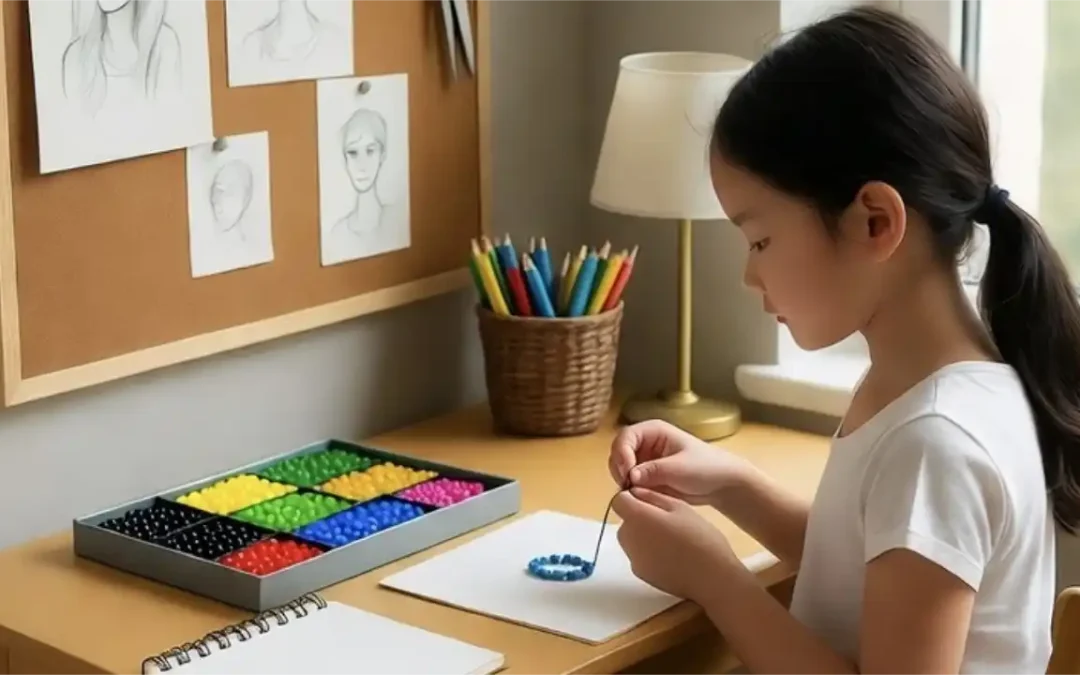
Fostering a Creative Environment: Clear a Space for Projects
A dedicated creative space invites focus and exploration. Learn how to design an environment that supports deep thinking and playful expression.

Fostering a Creative Environment: Display Children’s Creations
Showcasing children’s work encourages confidence and pride. Create a home environment where creativity is seen, valued, and celebrated.
Modeling Creative Behavior
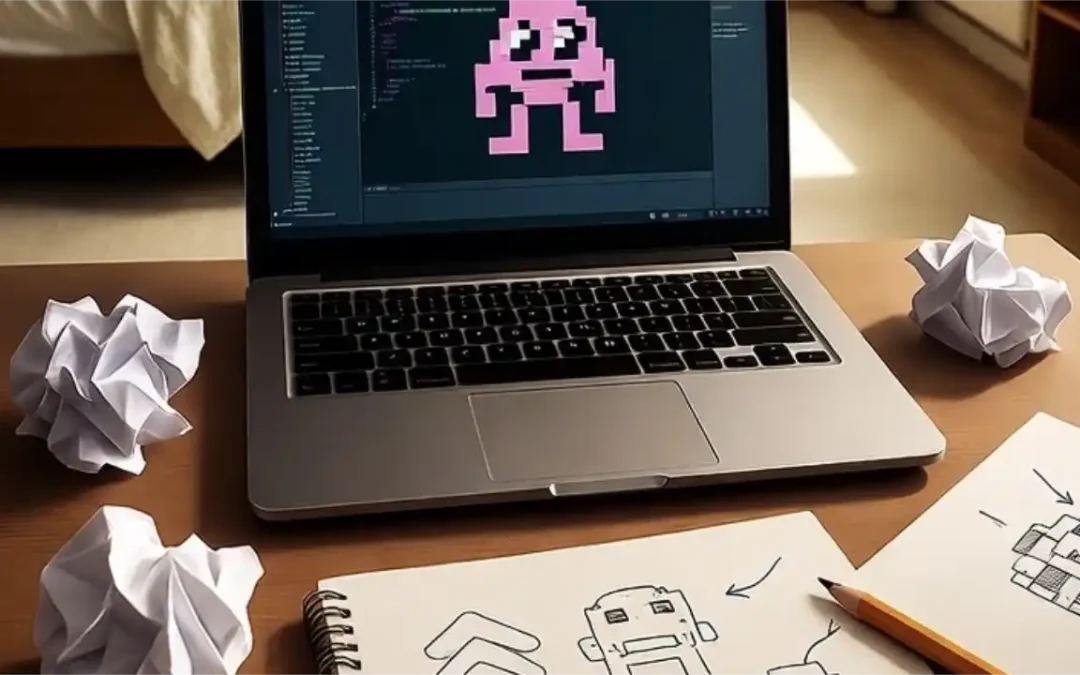
Modeling Creative Behavior: Solve Problems with Passion
Children learn deeply when they care about what they’re doing. Help them approach challenges with curiosity, enthusiasm, and emotional investment.
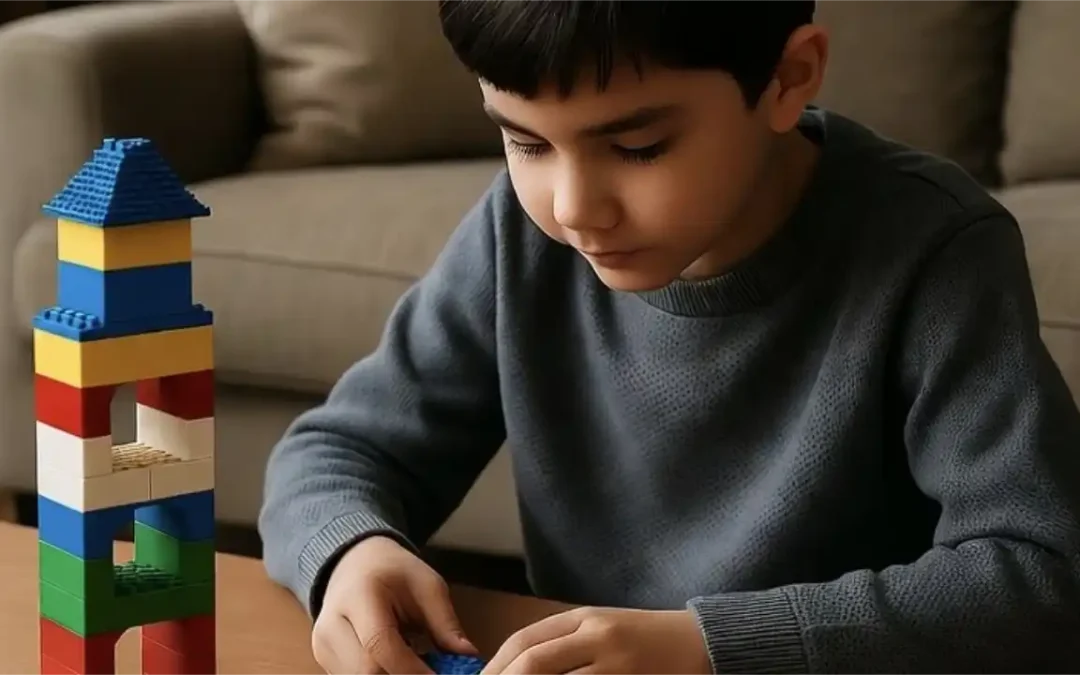
Modeling Creative Behavior: Push Through Creative Challenges
Creative challenges teach resilience and confidence. Support your child in working through difficulty with patience, curiosity, and steady encouragement.
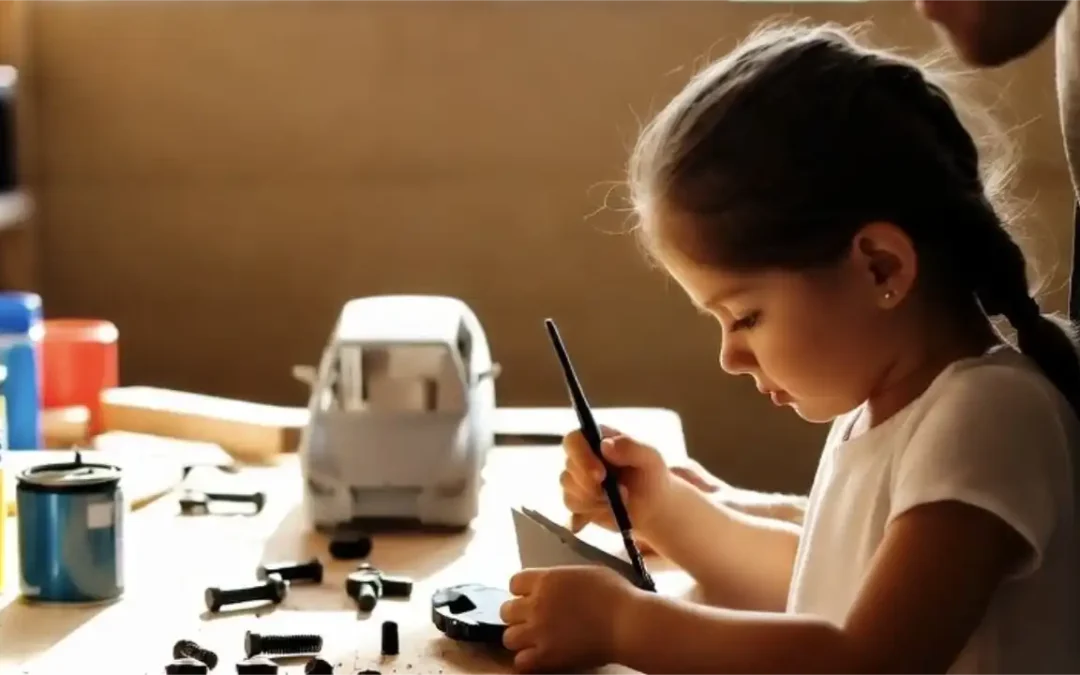
Modeling Creative Behavior: Share Your Creative Hobbies
Children learn from what we love. Share your own creative passions to inspire confidence, curiosity, and joyful learning at home.
Encouraging Risk-Taking & Experimentation
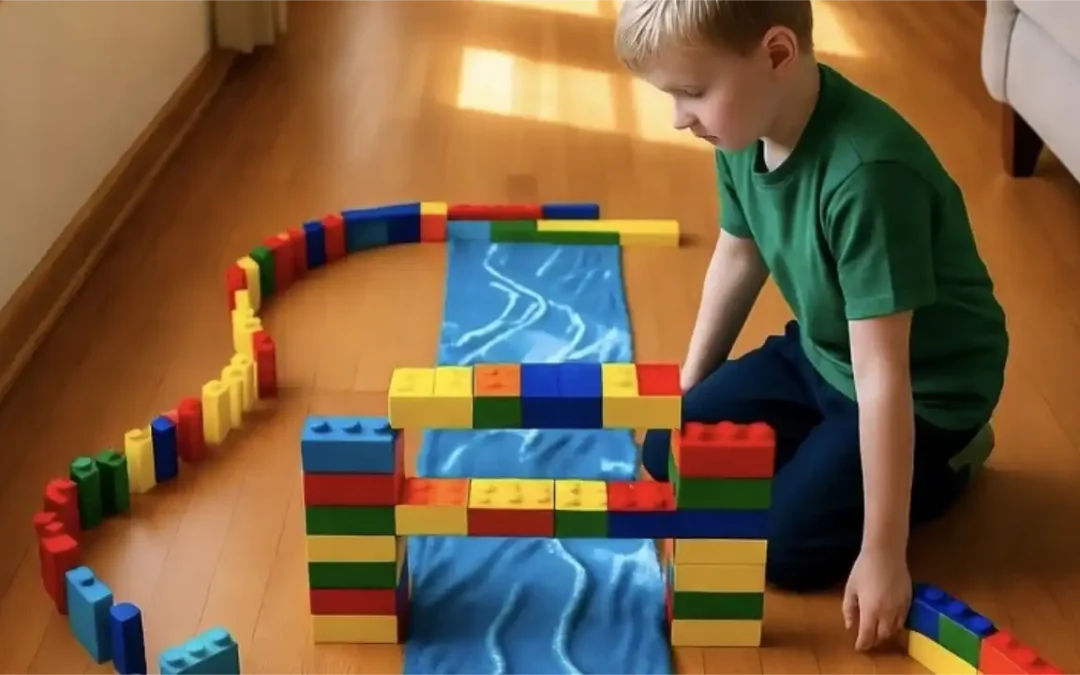
Encouraging Risk-Taking and Experimentation: Test Creative Guesses
Encourage children to test their ideas and see what happens. This builds reasoning, confidence, and active problem-solving skills.

Encouraging Risk-Taking and Experimentation: Free Wild Experiments
Give your child room to explore freely. Wild experiments spark curiosity, inventiveness, and joyful discovery without fear of mistakes.

Encouraging Risk-Taking and Experimentation: Cheer Effort Over Results
Praising effort builds resilience and self-belief. Learn to celebrate persistence and courage rather than perfection or quick success.
Connecting with the Community
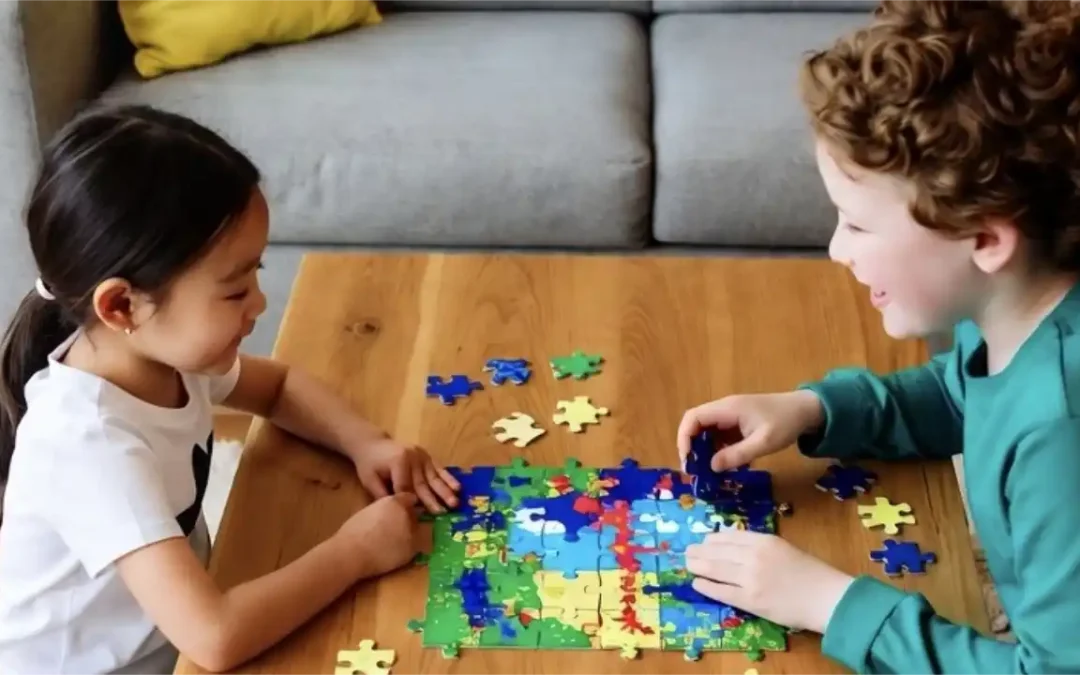
Connecting with the Community: Balance Competition and Teamwork
Healthy competition can motivate without dividing. Learn to balance teamwork with friendly challenge to support confidence and cooperation.
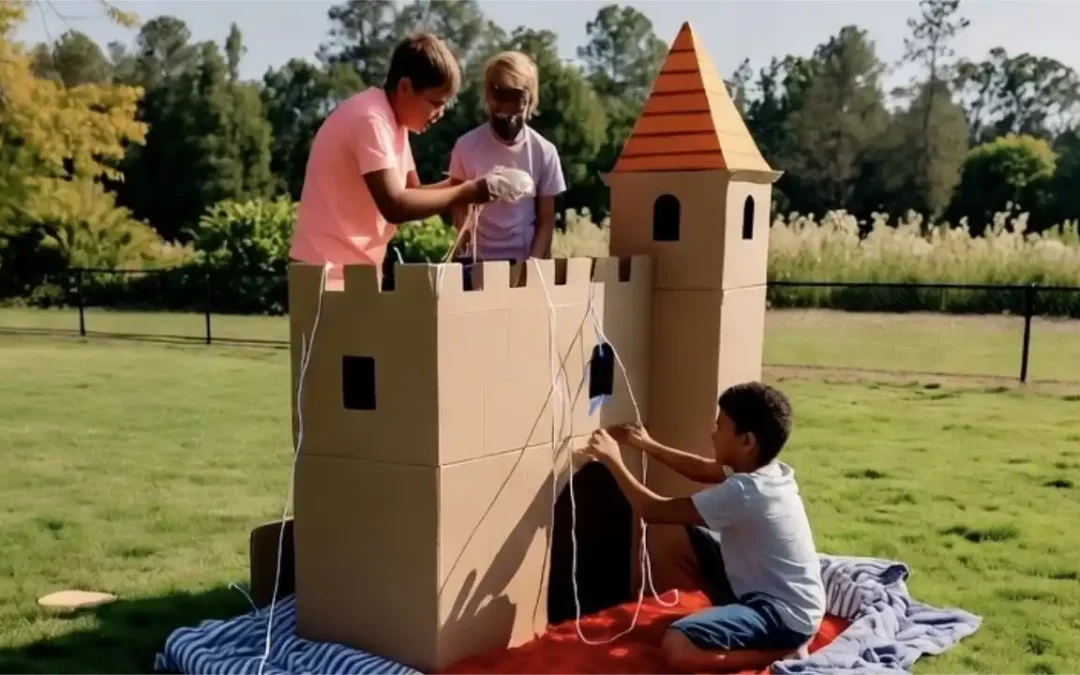
Connecting with the Community: Create with Friends
Collaborative making teaches communication and teamwork. Invite children to create with friends and build shared joy through projects.
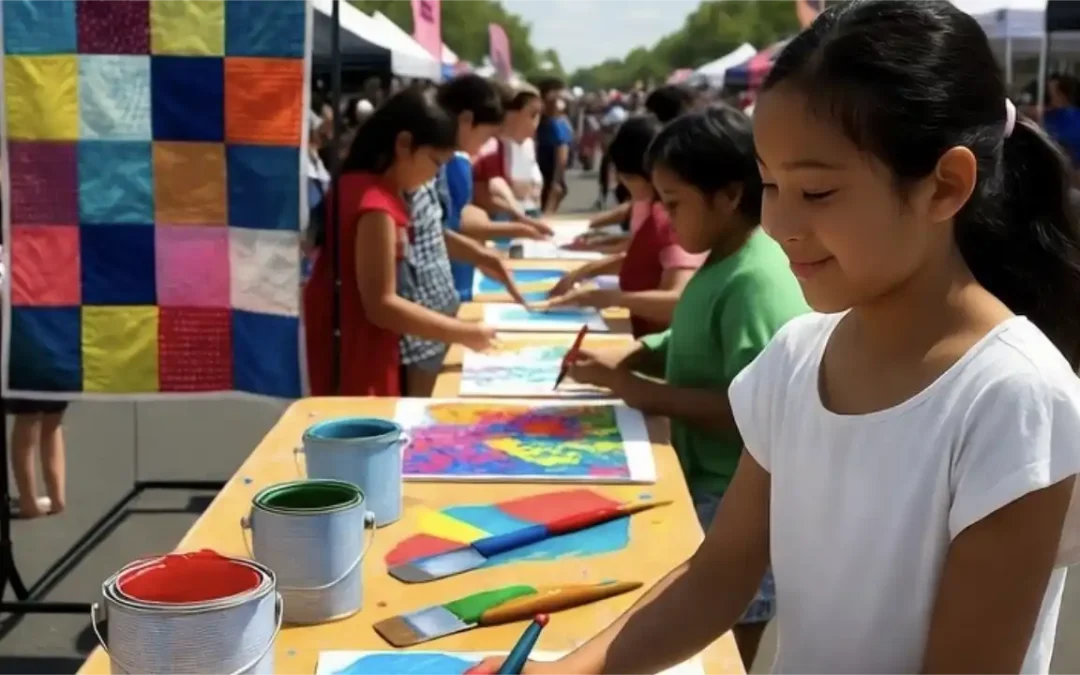
Connecting with the Community: Join Creative Groups or Festivals
Group creativity builds confidence and connection. Explore clubs, festivals, and events where children can share ideas and learn from others.
Supporting Creative Pursuits: Conclusion
Nurture kids’ creative thinking with questions, materials, and encouragement in a home workshop of imagination. Discover how to build persistence, confidence, and sharing skills for lifelong growth.
Fostering Collaboration & Teamwork

Fostering Collaboration and Teamwork
Turn your home into a hub of connection, guiding kids to collaborate through play, discussion, and community. Discover ways to build their social bonds, problem-solving, and confidence in group settings.
Encouraging Group Activities

Encouraging Group Activities: Experiment Together with Science Kits
Science kits turn curiosity into discovery. Explore experiments together to build reasoning, confidence, and shared learning joy.
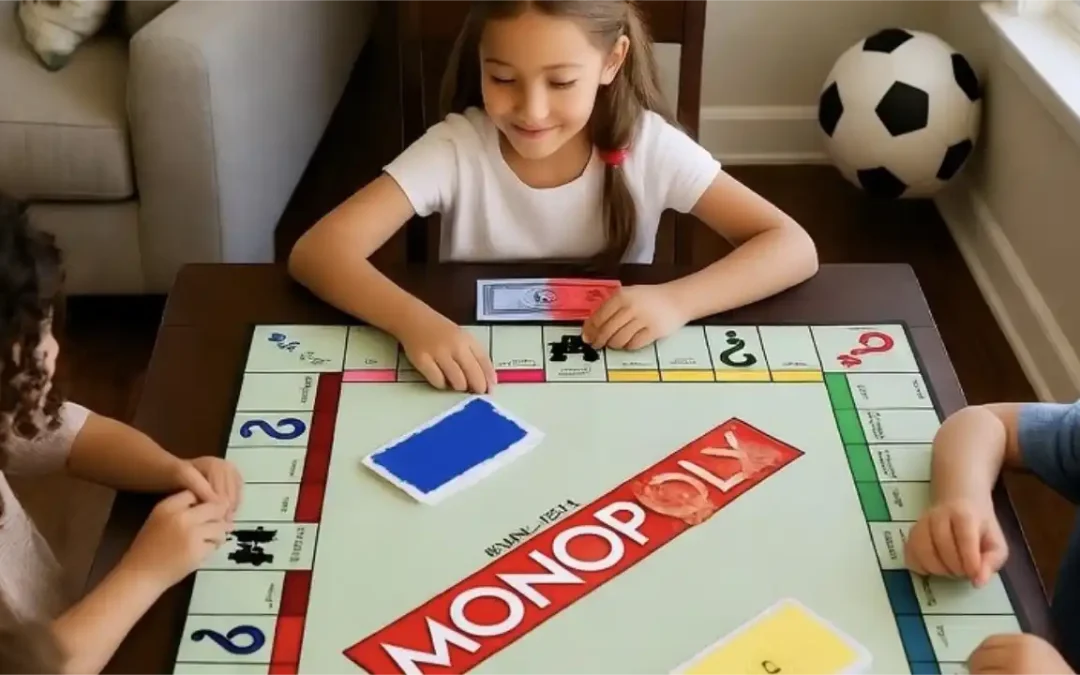
Encouraging Group Activities: Team Up for Board Games and Sports
Games and sports teach strategy, fairness, and cooperation. Use play to help children build social skills and emotional strength.
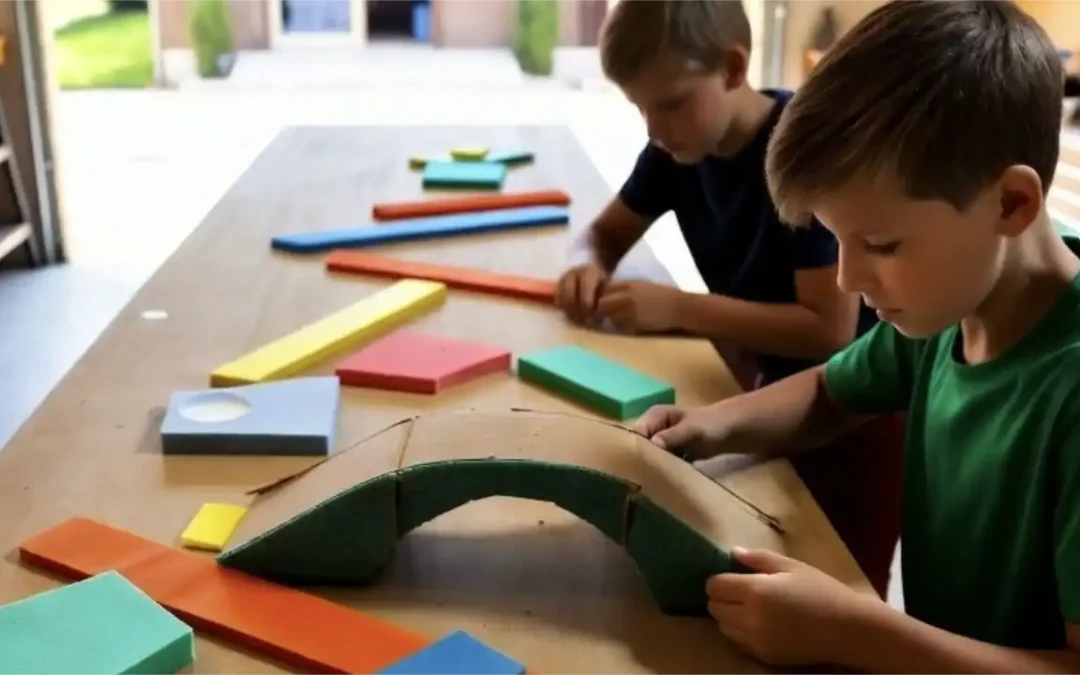
Encouraging Group Activities: Build Models as a Family Team
Family model-building strengthens problem-solving and communication. Create shared projects that encourage patience, creativity, and teamwork.
Promoting Peer Interaction

Promoting Peer Interaction: Mix Cultures in Team Challenges
Multicultural teamwork enriches empathy and understanding. Design group challenges that celebrate different backgrounds and ideas.
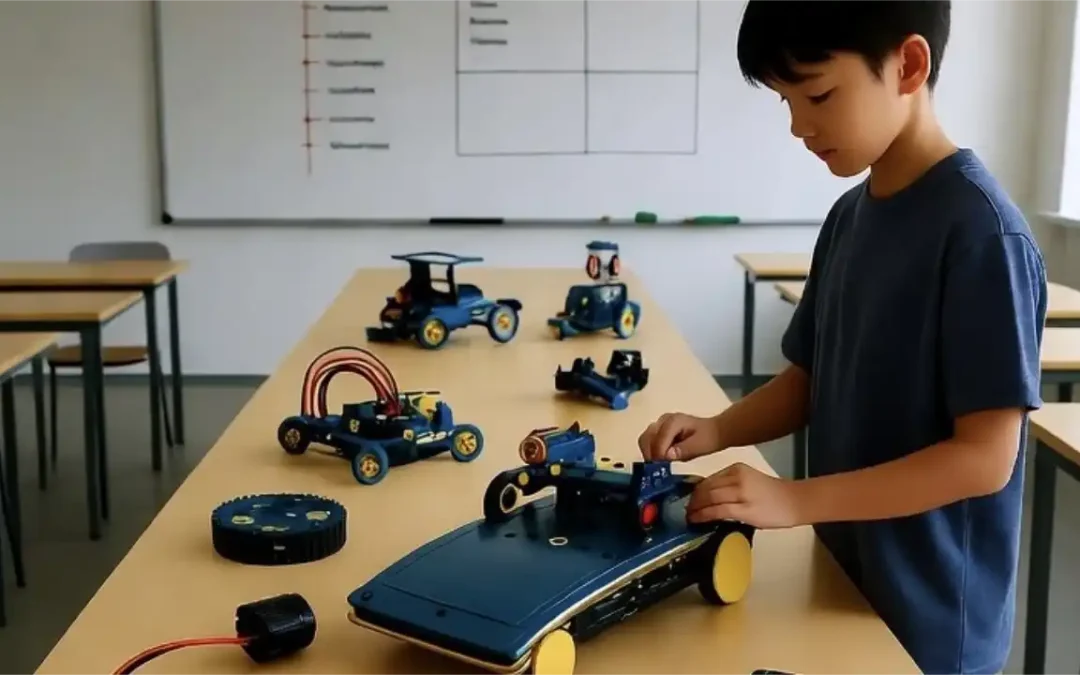
Promoting Peer Interaction: Join Clubs
Clubs give children community, identity, and confidence. Help them find a space where interests are shared and voices valued.
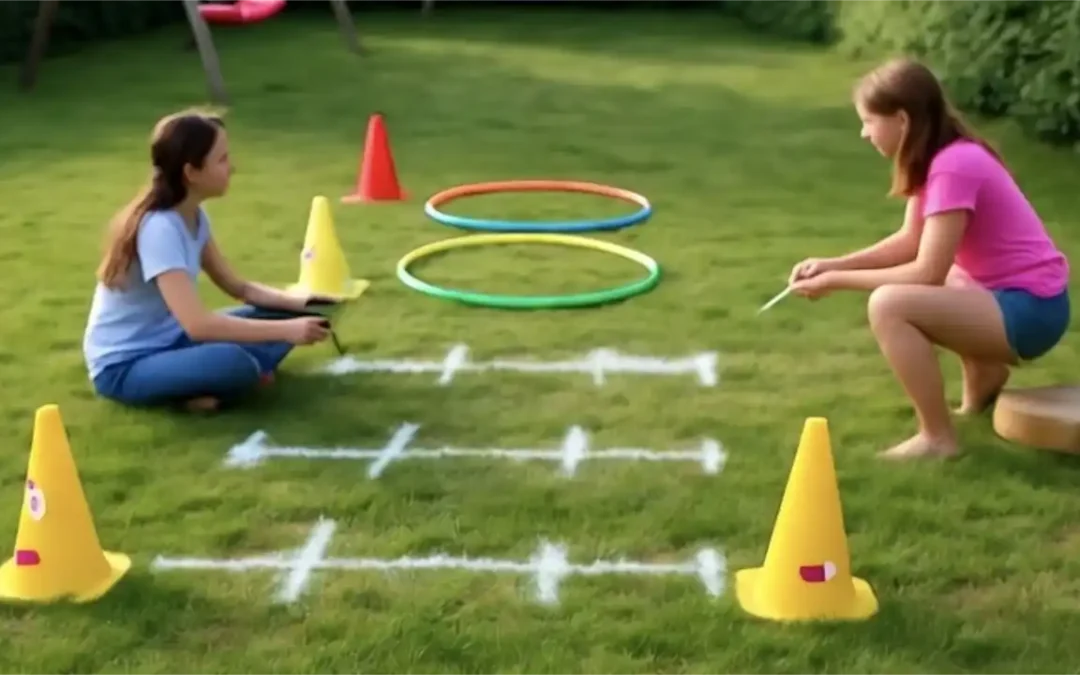
Promoting Peer Interaction: Host Playdates for Friendship and Teamwork
Playdates help children learn cooperation, communication, and empathy. Create playful, structured activities that support healthy friendships.
Creating Opportunities for Intellectual Exchange
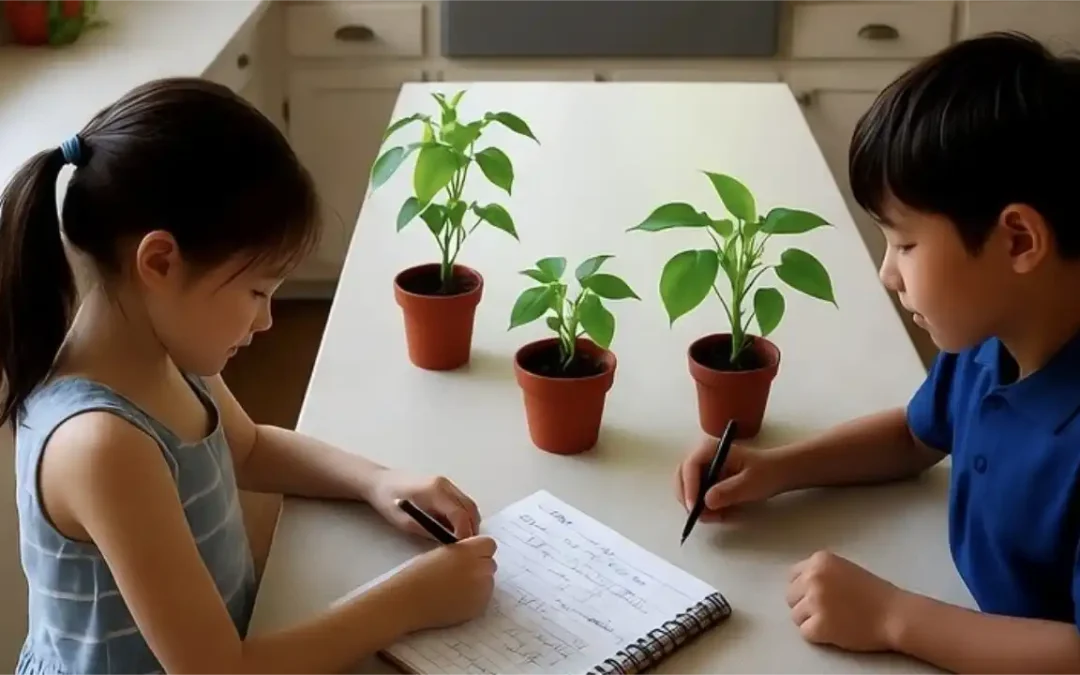
Creating Opportunities for Intellectual Exchange: Argue Science as a Team
Scientific debate teaches reasoning and curiosity. Explore questions together and discuss ideas respectfully to strengthen thinking skills.
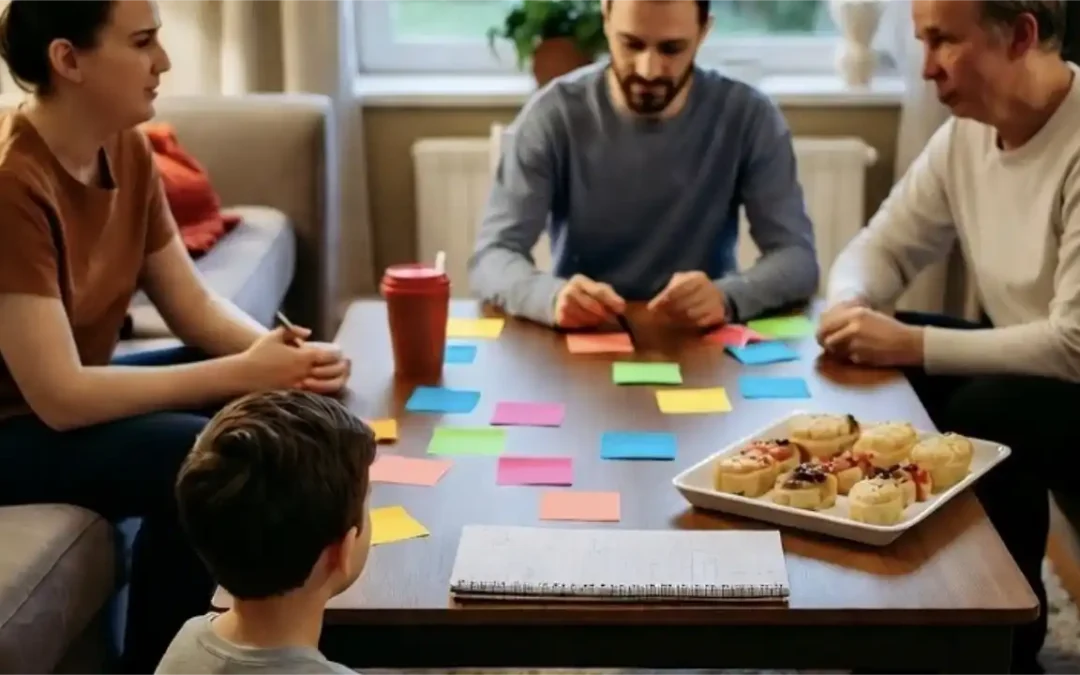
Creating Opportunities for Intellectual Exchange: Brainstorm Family Solutions
Family problem-solving teaches listening and cooperation. Learn how to brainstorm together and make decisions with shared respect.
Modeling Collaborative Behavior
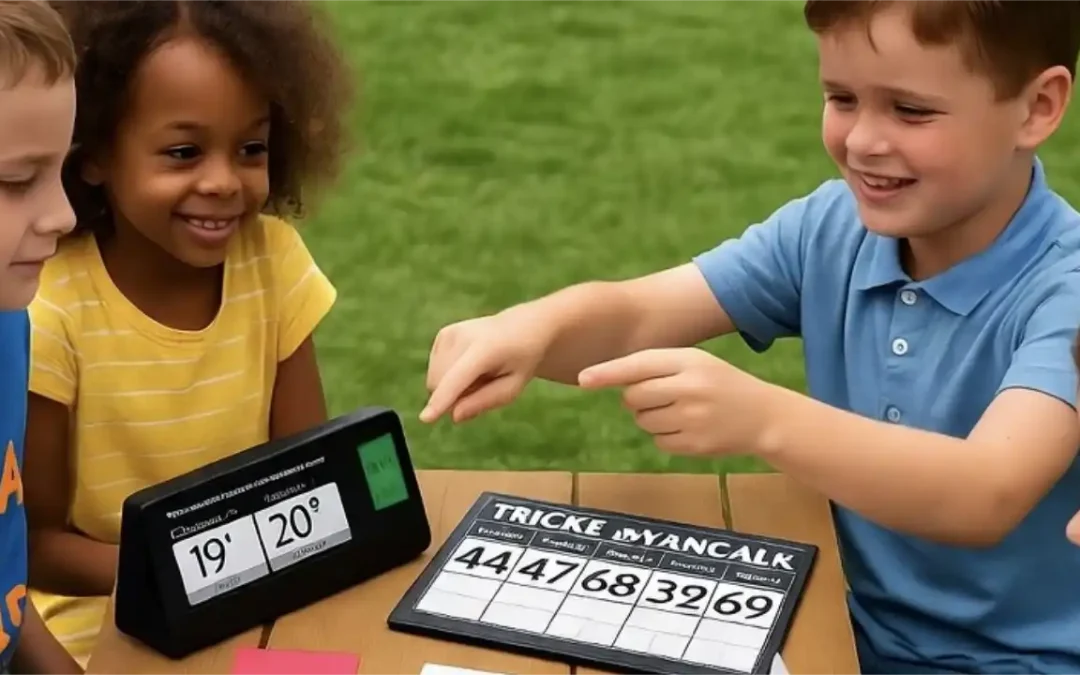
Modeling Collaborative Behavior: Lead Games with Confidence
Let your child lead games to develop communication, decision-making, and leadership confidence in a low-pressure, playful environment.

Modeling Collaborative Behavior: Navigate Conflict in Teamwork
Conflict is natural in teamwork. Guide children to resolve disagreements with empathy, clarity, and patience to build emotional intelligence.

Modeling Collaborative Behavior: Share Stories of Team Wins
Celebrating shared wins reinforces connection and meaning. Tell stories of team successes to inspire confidence and collaboration.

Modeling Collaborative Behavior: Work as a Family Crew
Shared responsibility builds confidence and unity. Treat household tasks as teamwork to develop skills, pride, and belonging.
Supporting Group Learning
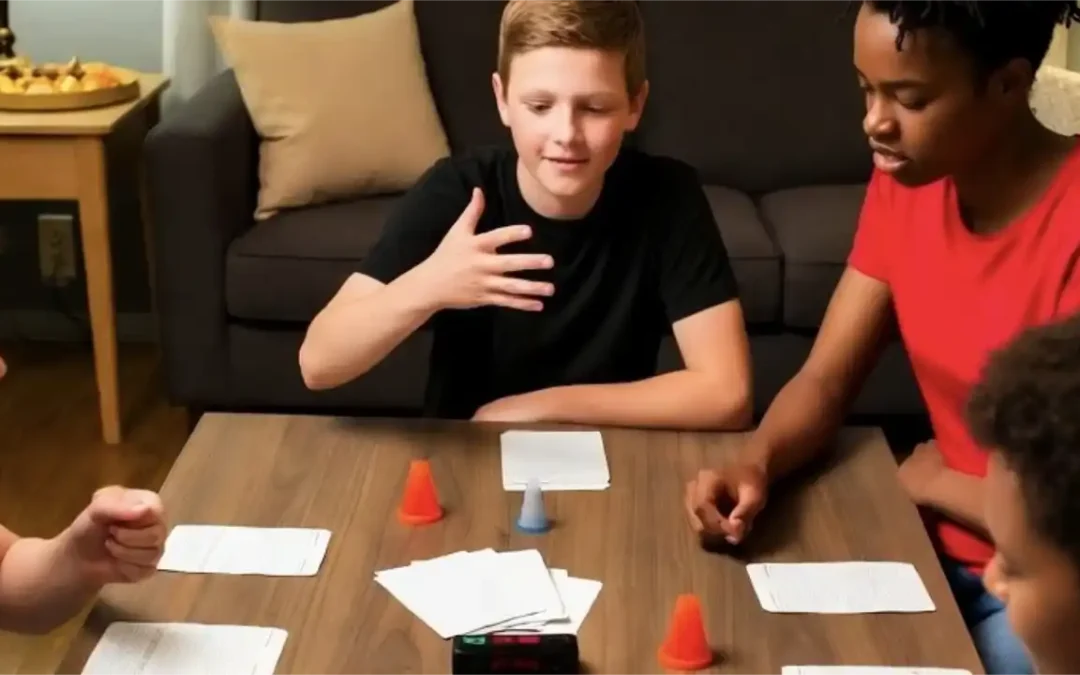
Supporting Group Learning: Balance Rivalry and Teamwork in Quizzes
Quizzes can inspire fun, friendly competition. Learn to balance challenge and cooperation to support confidence and joyful learning.

Supporting Group Learning: Study Together for Peer Teaching
Peer teaching strengthens understanding and communication. Encourage children to explain what they know and learn collaboratively.

Supporting Group Learning: Join Book Clubs for Peer Debates
Book clubs help children share ideas, listen deeply, and build reasoning. Encourage peer discussions that foster confidence and curiosity.
Strengthening Links with the Community
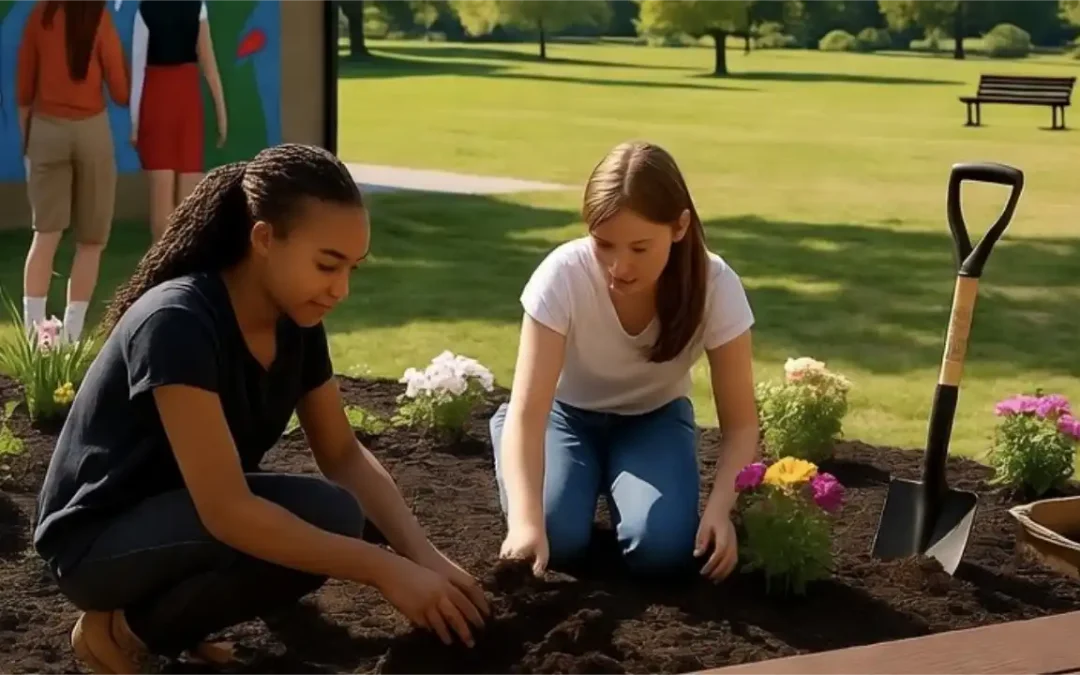
Strengthening Links with the Community: Build Lasting Projects for the Neighborhood
Working on neighborhood projects teaches responsibility, belonging, and cooperation. Show children how their contributions create real, lasting impact.
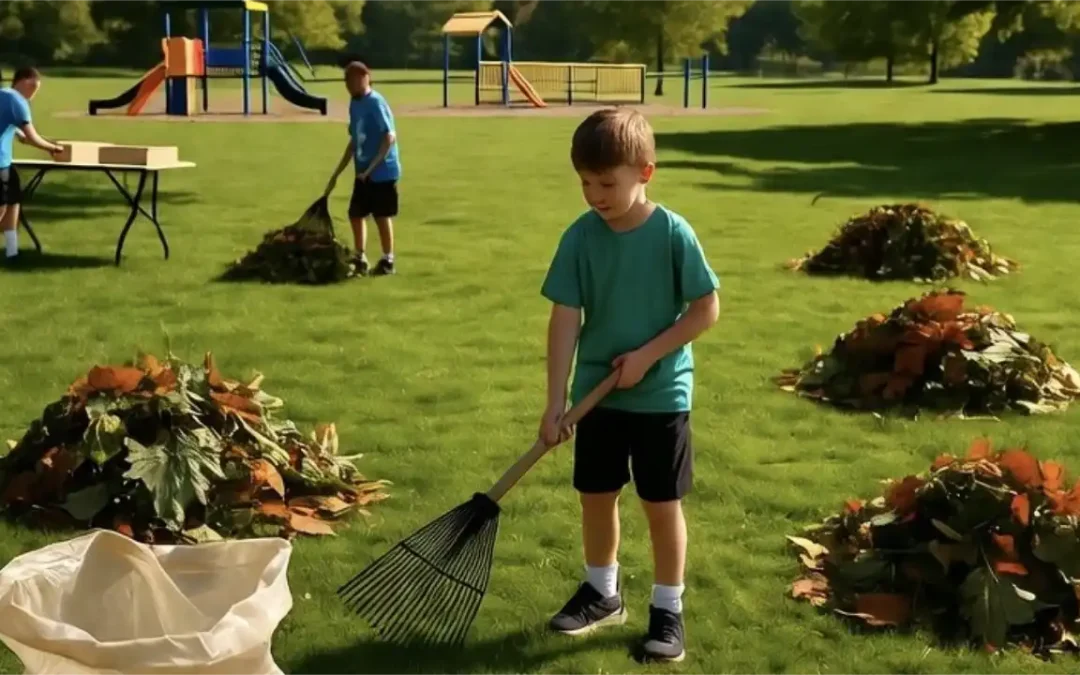
Strengthening Links with the Community: Pitch in at Community Events
Community events build belonging and civic awareness. Encourage children to help, participate, and take pride in shared contribution.
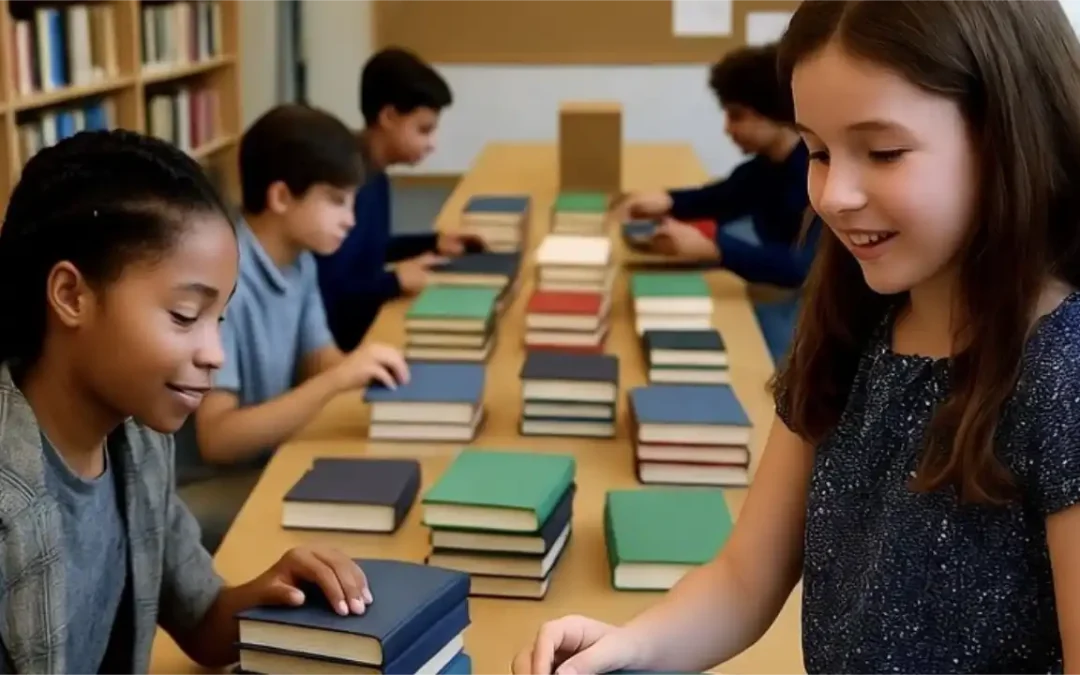
Strengthening Links with the Community: Volunteer with Library and Charity Groups
Volunteering teaches empathy, responsibility, and community connection. Help children grow through shared service experiences.
Fostering Collaboration and Teamwork: Conclusion
Bring Parisian café spirit home with games, chores, and projects that teach kids to collaborate. Discover how to build their confidence, respect, and coordination for school, clubs, and life.
Fostering a Love for Learning

Fostering a Love for Learning
Reignite kids’ curiosity with Enlightenment-inspired questions, experiments, and books. Discover how to weave learning into daily life for joyful, lifelong discovery at home.
Making Learning Part of Daily Life

Making Learning Part of Daily Life: Reading as Daily Nourishment
Reading every day builds vocabulary, imagination, and emotional connection. Create routines that make books a joyful, comforting part of life.
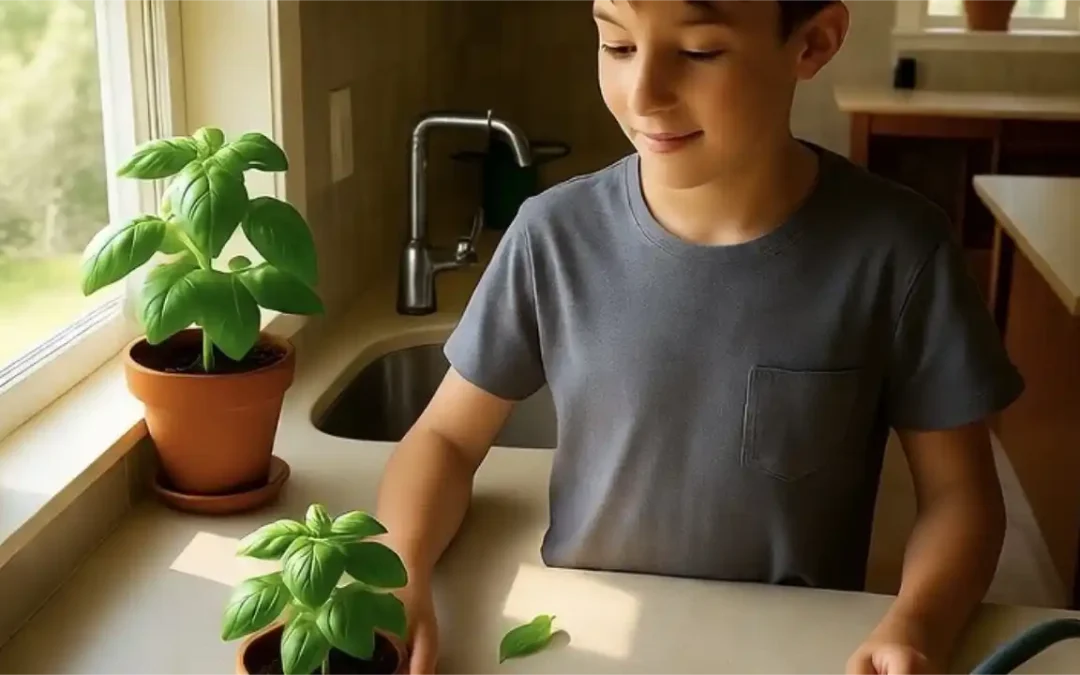
Making Learning Part of Daily Life: Grow Scientific Thinking with Plant Experiments
Plant experiments teach patience, observation, and scientific thinking. Help children explore life cycles and natural wonder at home.
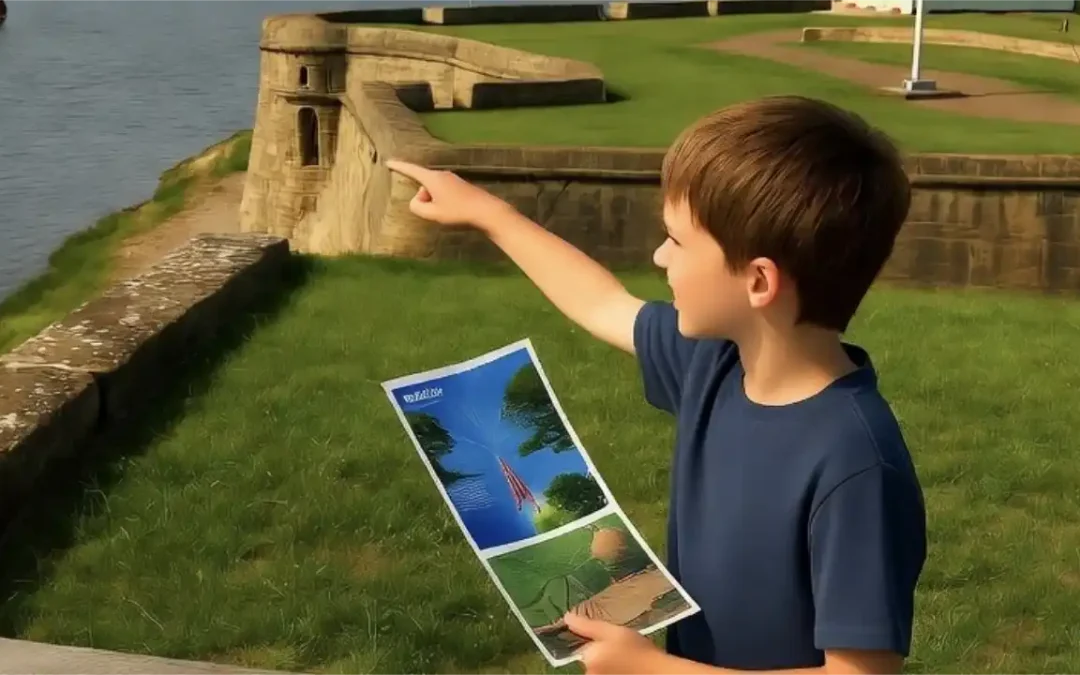
Making Learning Part of Daily Life: Connect History and Math with Field Trips
Field trips make history and math feel alive. Explore places where ideas emerged to build curiosity, memory, and real understanding.

Making Learning Part of Daily Life: Teach Math and Reasoning Through Grocery Shopping
Turn grocery trips into math and reasoning lessons. Show children how numbers, choices, and planning work in everyday life.
Encouraging Curiosity & Exploration
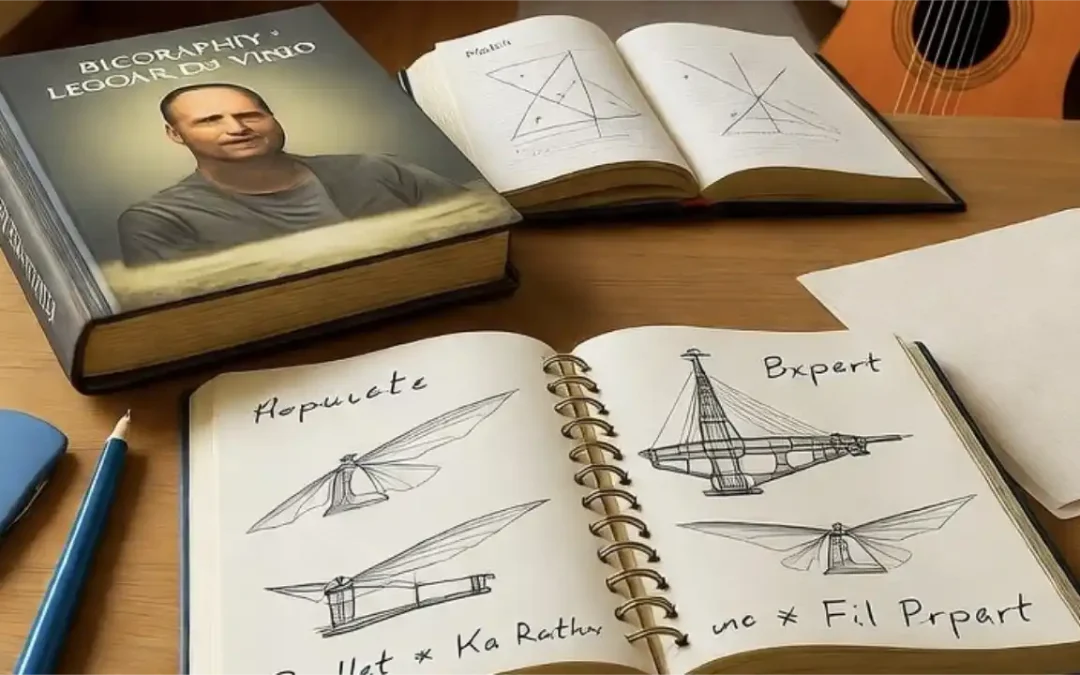
Encouraging Curiosity and Exploration: Pursue Breadth Before Depth
Allow children to explore wide interests before specializing. Broad curiosity builds flexible thinking and strong learning foundations.

Encouraging Curiosity and Exploration: Ignite Curiosity with Star-Gazing Challenges
Stargazing inspires awe and big thinking. Use nighttime sky-watching to spark curiosity about science, space, and our place in the universe.
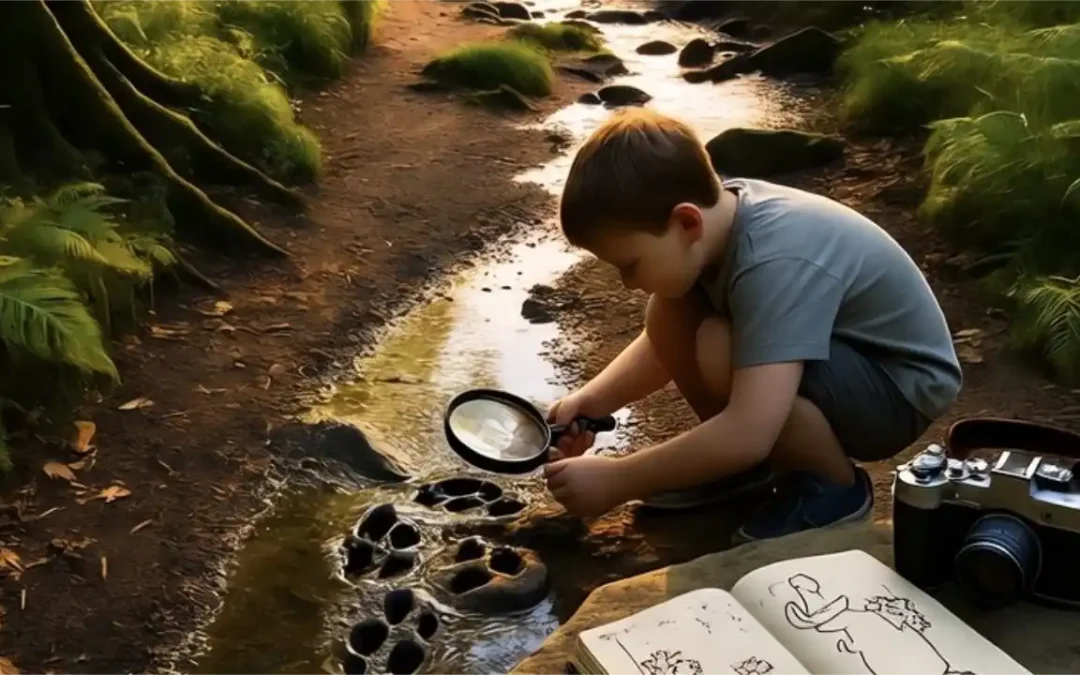
Encouraging Curiosity and Exploration: Explore Nature with Outdoor Discoveries
Outdoor exploration nurtures curiosity and calm. Help children observe nature, build awareness, and feel connected to the living world.

Encouraging Curiosity and Exploration: Spark Big Questions About the World
Encourage children to ask big, thoughtful questions. Curiosity leads to deeper understanding, emotional growth, and wonder.
Providing Resources & Support

Providing Resources and Support: Create Hands-On Learning with Experiment Kits
Hands-on experiment kits make learning exciting and real. Support your child’s curiosity, observation, and problem-solving skills with guided discovery.

Providing Resources and Support: Fuel Passions with Tools like Telescopes
Offering meaningful tools deepens engagement. Provide instruments, kits, or materials that support genuine curiosity and exploration.

Providing Resources and Support: Build a Home Library for Lifelong Reading
A home library encourages curiosity and comfort with books. Learn how to create a reading space that nurtures imagination and confidence.
Modeling a Love for Learning

Modeling a Love for Learning: Think Out Loud with Math and Science Puzzles
Working through puzzles aloud teaches reasoning. Use math and science challenges to encourage problem-solving and clear expression.

Modeling a Love for Learning: Learn New Skills Together with Hobbies
Shared hobbies deepen connection and curiosity. Learn skills alongside your child to model lifelong learning and joyful discovery.
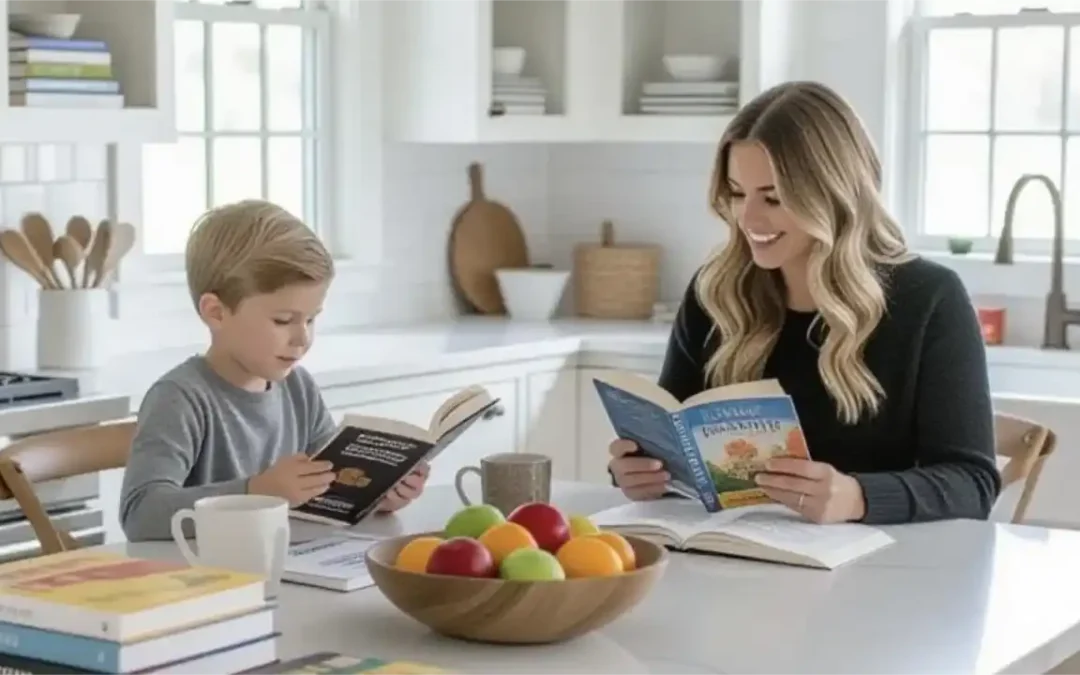
Modeling a Love for Learning: Building a Culture of Readers at Home
Make reading a natural part of daily life. Model curiosity, treat books with excitement, and create rituals that celebrate literature.

Modeling a Love for Learning: Share Your Love for Books with Family Reading
Reading together strengthens connection and joy. Share stories aloud to inspire imagination, empathy, and lifelong literary love.
Integrating Learning into Family Activities

Integrating Learning into Family Activities: Screens or Stories: What Shapes the Mind?
Choosing stories over screens nurtures imagination and empathy. Learn how storytelling supports healthier mental development and curiosity.
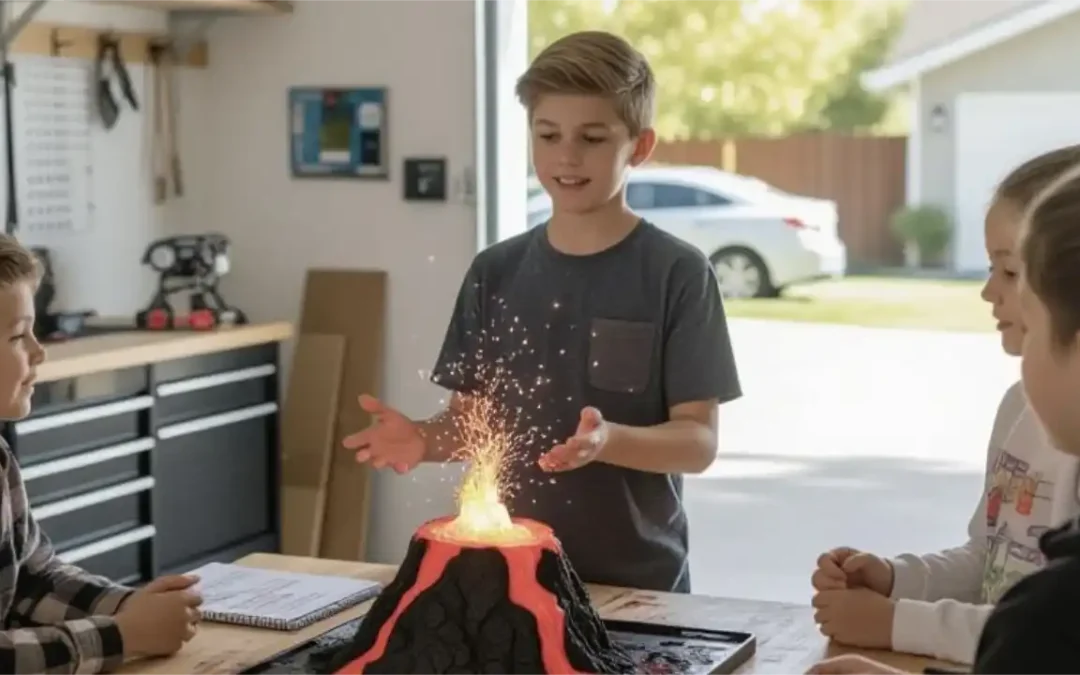
Integrating Learning into Family Activities: Blend Teamwork and Competition in Science Fairs
Science fairs teach inquiry and creativity. Support healthy balance between teamwork, curiosity, and friendly challenge.

Integrating Learning into Family Activities: Hunt for History with Scavenger Games
History scavenger hunts bring learning to life. Explore artifacts, stories, and places to build curiosity and memory.

Integrating Learning into Family Activities: Make Family Game Nights Educational
Game nights can build logic, communication, and cooperation. Choose games that encourage learning while keeping play joyful.
Connecting Learning to Real-World Experiences

Connecting Learning to Real-World Experiences: Test Real Problems with Science and Budgets
Use real household questions as experiments. Teach children how science and budgeting help families solve problems in practical ways.

Connecting Learning to Real-World Experiences: See How School Skills Power Real Work
Show children how reading, writing, and math matter in daily life. Connect schoolwork to real-world problem-solving and purpose.

Connecting Learning to Real-World Experiences: Link School to Life with News Discussions
Discussing news helps children think critically and connect school to real life. Guide conversations with care and openness.
Fostering a Love for Learning: Conclusion
Weave curiosity into grocery trips, bedtime stories, and daily moments to spark kids’ lifelong learning. Discover how to nurture questioning, problem-solving, and wonder at home.
Modeling Intellectual Growth

Modeling Intellectual Growth
Model curiosity, critical thinking, and creativity like Enlightenment thinkers to inspire your child’s growth. Discover how your habits nurture their purpose, learning, and resilience at home.
Love for Learning

Love for Learning: Test with Science
Encourage children to explore questions through hands-on investigation. Science experiments build reasoning, curiosity, and real understanding.

Love for Learning: Show Daily Zeal
Your energy influences your child’s inspiration. Model curiosity, joy, and steady enthusiasm to nurture their love of learning.
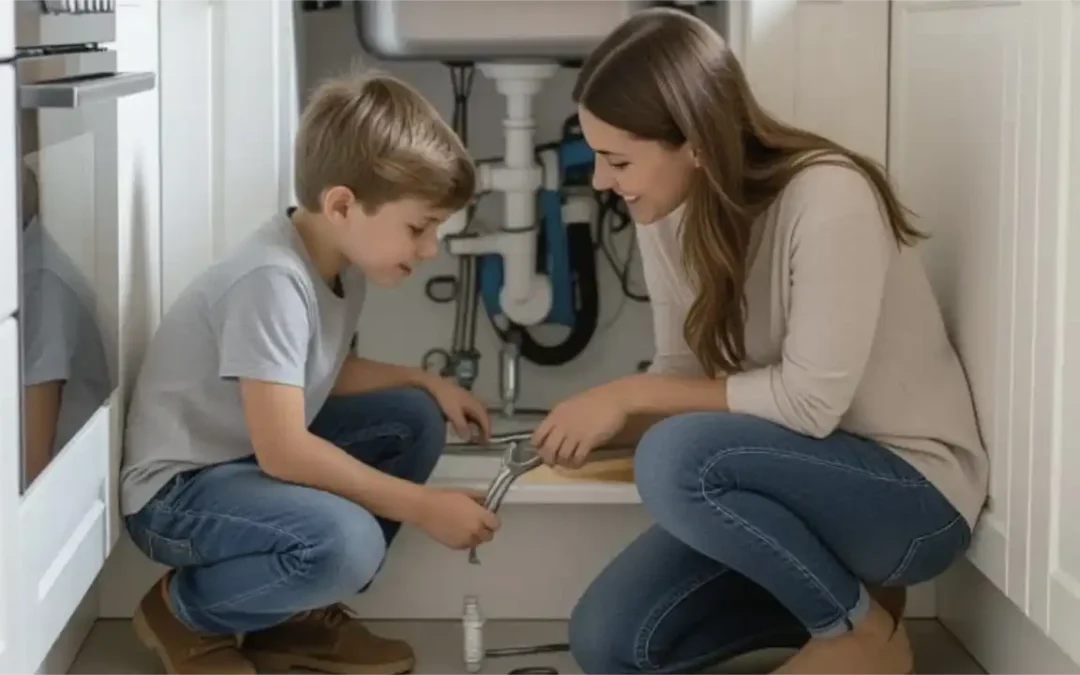
Love for Learning: Dive into Learning
Encourage enthusiasm and full engagement. When children dive into learning with curiosity and confidence, understanding grows naturally.
Encouraging Curiosity

Encouraging Curiosity: Model Growth by Changing Your Mind
Show children that changing your mind is a sign of learning. Modeling flexibility teaches humility, reflection, and thoughtful decision-making.

Encouraging Curiosity: Build Boldness
Confidence grows when children take risks and try new things. Learn gentle ways to encourage bravery, courage, and resilience.
Encouraging Curiosity: Chase Exploration
Children develop confidence by exploring freely. Support adventures, new experiences, and playful discovery in daily life.

Encouraging Curiosity: Model Curiosity with Diverse Ideas
Show your child that curiosity is a strength. Share new ideas, cultures, and perspectives to inspire wonder and open-minded thinking.
Encouraging Curiosity: Spark Questions
Invite children to ask open-ended questions every day. Curiosity grows when their wondering is welcomed and explored with patience.
Thinking Critically

Thinking Critically: Prove with Proof
Encourage children to look for evidence behind claims. This strengthens reasoning, independence, and thoughtful judgment.

Thinking Critically: Seek True Facts
Help children learn to verify information and recognize reliable sources. Truth-seeking builds clarity, wisdom, and confidence.

Thinking Critically: Weigh All Sides
Teach children to look at all sides of an issue before forming opinions. Balanced thinking encourages understanding and fairness.
Nurturing Creativity
Nurturing Creativity: Compete with Creativity
Creative competitions inspire focus and originality. Learn to keep them playful, positive, and supportive—not stressful.
Nurturing Creativity: Free Imagination
Give children space to dream, pretend, and invent. Imagination fuels curiosity, emotional growth, and playful learning.

Nurturing Creativity: Craft with Joy
Creative making builds confidence and emotional expression. Encourage joyful crafting as a natural part of home life.
Fostering Collaboration

Fostering Collaboration: Balance Rivalry
Healthy rivalry can motivate, but pressure harms. Learn how to encourage friendly challenge while preserving confidence and connection.
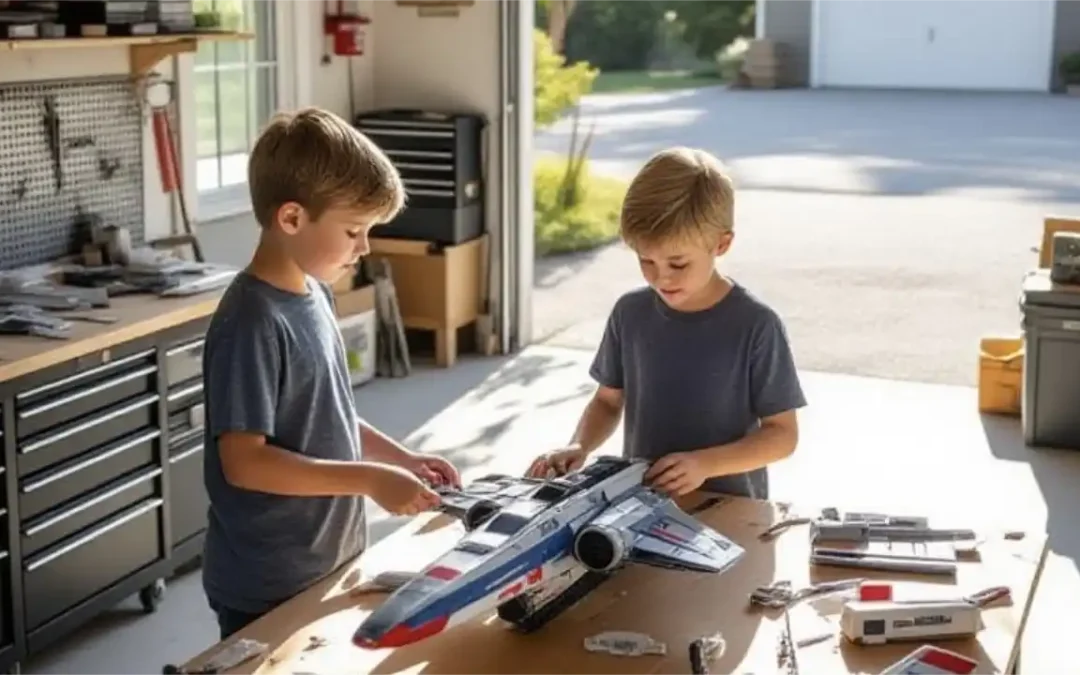
Fostering Collaboration: Live Cooperation
Cooperation skills grow through everyday practice. Model patience, listening, and problem-solving in family life.
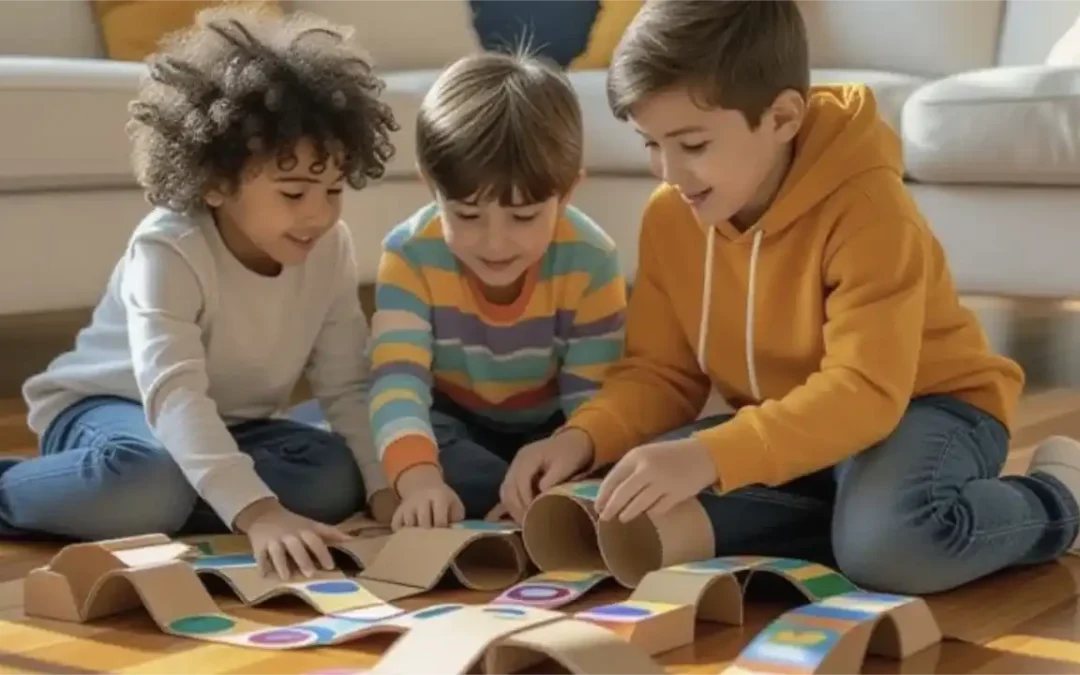
Fostering Collaboration: Join as Teams
Working as a team teaches communication and patience. Use shared projects to strengthen connection and collaboration.
Steady Communication

Steady Communication: Talk with Reason
Teach children to express ideas clearly and listen thoughtfully. Reasoned conversation strengthens confidence and understanding.

Steady Communication: Stay Calm in Storms
Your calm presence helps children navigate stress. Model emotional regulation to support resilience and security.
Modeling Intellectual Growth: Conclusion
Ignite your child’s curiosity, resilience, and creativity by modeling Enlightenment-style habits of questioning and calm reasoning. Discover how your example shapes their lifelong intellectual strength and purpose.
Training Mental Athletes
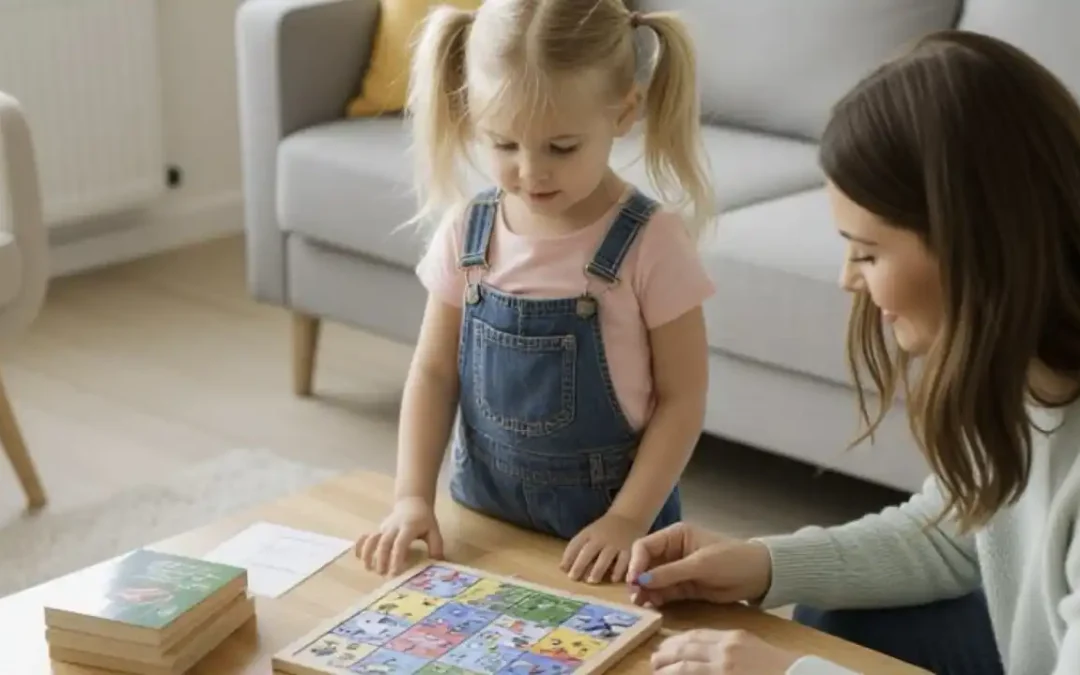
Training Mental Athletes
Train your child’s mind like an athlete with daily challenges in reasoning, memory, focus, and problem-solving. Discover how to build resilience and sharp thinking for school and life’s toughest tests.
Core Critical Thinking

Core Critical Thinking: Strengthen Logical Reasoning
Develop logic through puzzles, questions, and analysis. Strong reasoning helps children make wise, confident decisions in life.
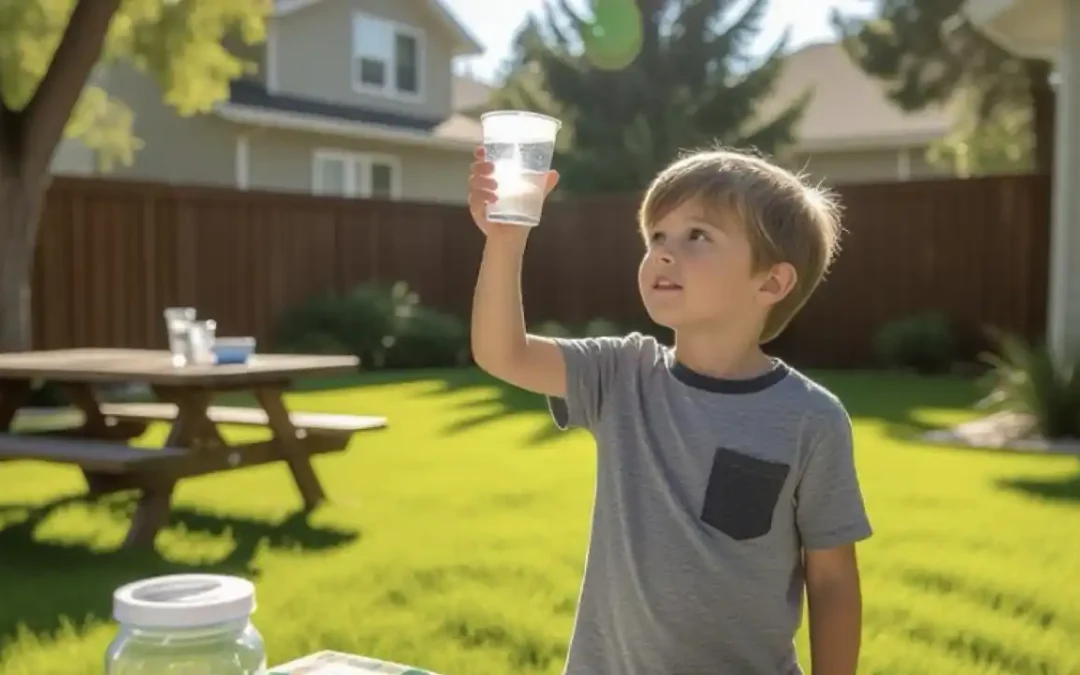
Core Critical Thinking: Test Reality with Science
Show children how to test ideas through observation and experimentation. Science nurtures accuracy, curiosity, and clear thinking.

Core Critical Thinking: Challenge False Patterns
Teach children to recognize when patterns mislead. Strengthen logical thinking and awareness of common reasoning mistakes.

Core Critical Thinking: Investigate Underlying Causes
Help children look deeper than surface explanations. Understanding causes builds reasoning, clarity, and meaningful learning.

Core Critical Thinking: Verify Information at the Source
Show children how to check original sources and reliable references. This builds strong critical thinking and informed judgment.
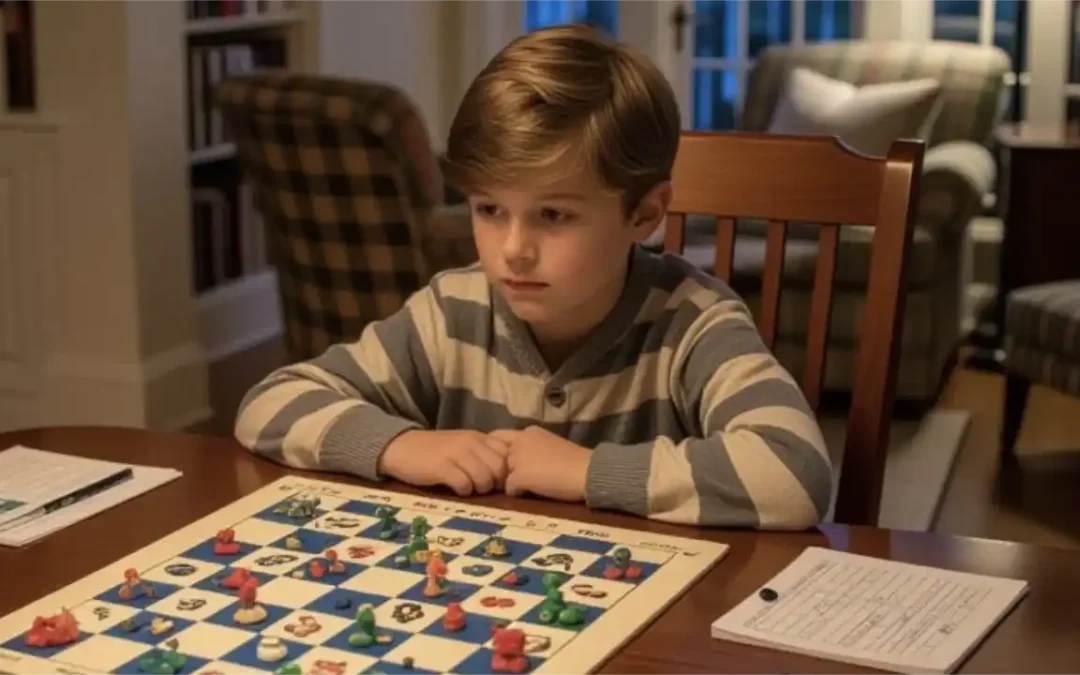
Core Critical Thinking: Question Every Claim
Encourage children to ask “How do we know?” Curiosity and reasoning help them think independently and avoid misinformation.
Thinking Traps
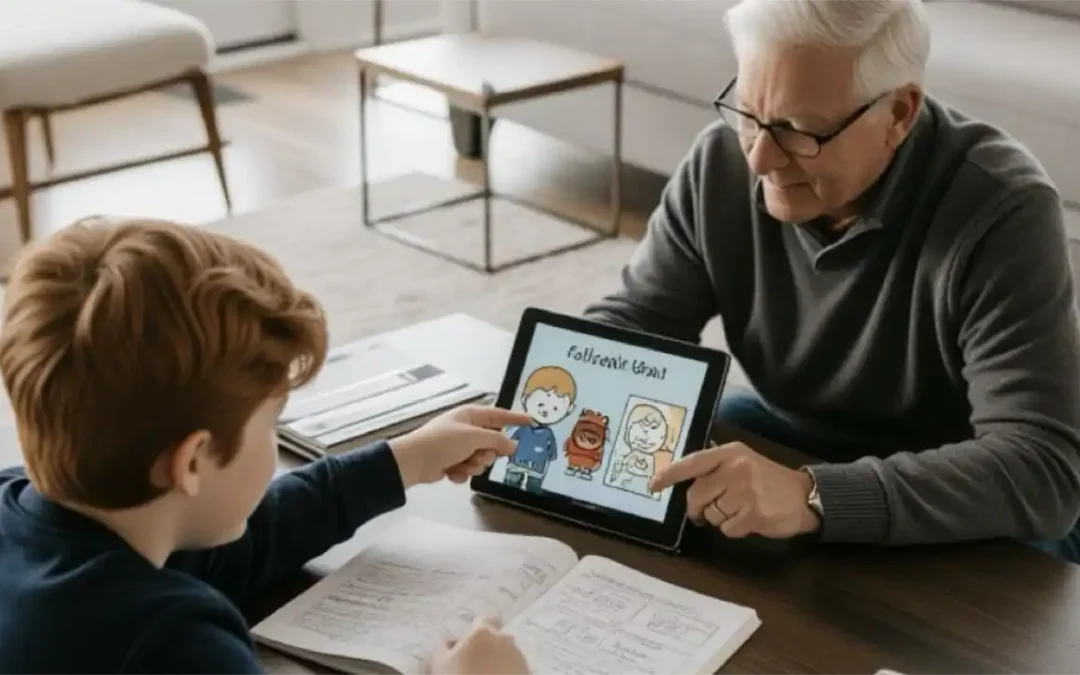
Thinking Traps: Logical Fallacies
Teach children to recognize common logical fallacies. Understanding faulty reasoning strengthens clarity, confidence, and honest communication.

Thinking Traps: Cognitive Biases
Help children understand how biases shape thinking. Awareness encourages fairness, perspective-taking, and thoughtful decision-making.

Thinking Traps: Cognitive Distortions
Teach children to recognize thought distortions that cloud judgment. Building awareness supports emotional balance and clarity.
Developing Memory

Developing Memory: How Parents Can Foster Memory
Parents can nurture memory through conversation, storytelling, and reflection. Support your child’s learning with gentle, consistent habits.

Developing Memory: How Memory Can Be Trained
Memory improves with practice. Learn simple routines and games that strengthen recall and deepen learning for growing minds.

Developing Memory: Why Memory Matters
Memory shapes learning, confidence, and understanding. Help children build strong recall skills that support curiosity and school success.
Strategic Problem-Solving

Strategic Problem-Solving: Think It Through Before You Act
Teach children to pause and reflect before responding. This supports emotional regulation, patience, and thoughtful choices.

Strategic Problem-Solving: Strengthen Sustained Attention
Focus grows through practice. Use gentle routines to help children develop concentration and stay engaged without stress.
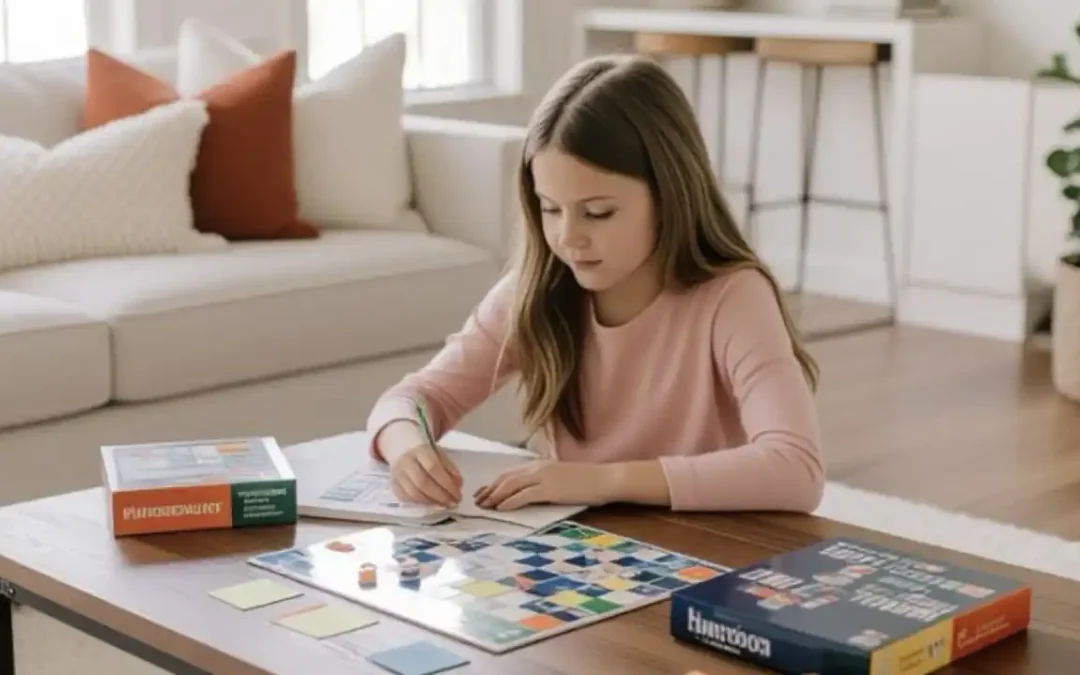
Strategic Problem-Solving: Plan Ahead
Planning helps children manage time, emotions, and goals. Learn how to encourage simple planning habits that grow into lifelong strengths.
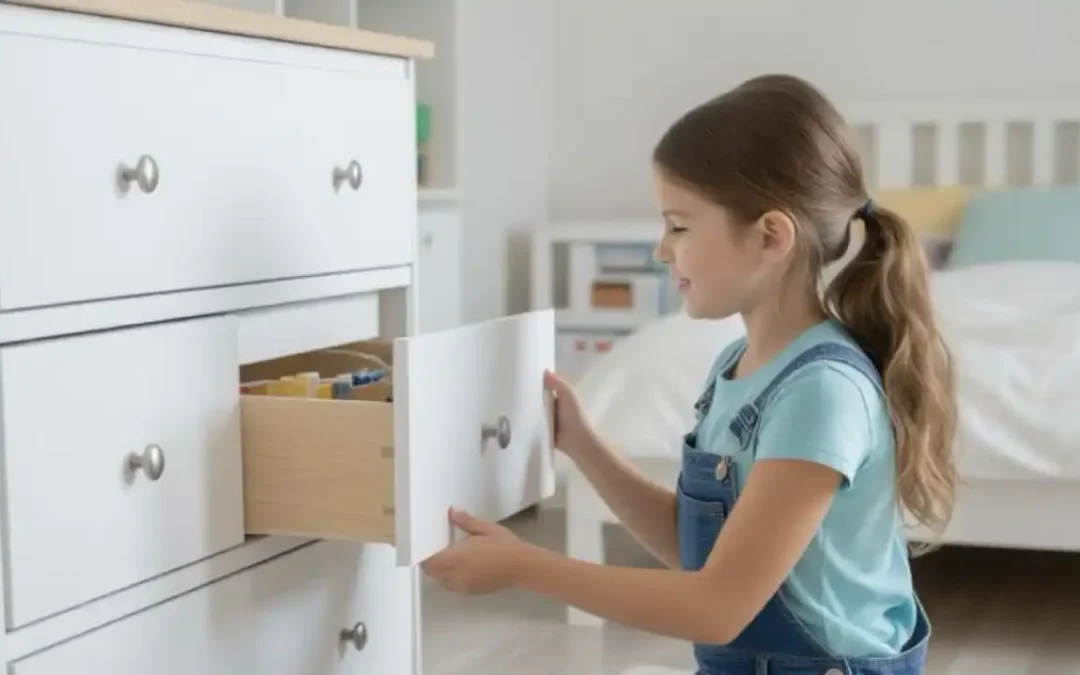
Strategic Problem-Solving: Invent New Solutions When Stuck
Encourage creativity when challenges arise. Children learn flexibility and resilience by trying new approaches when the first attempt doesn’t work.
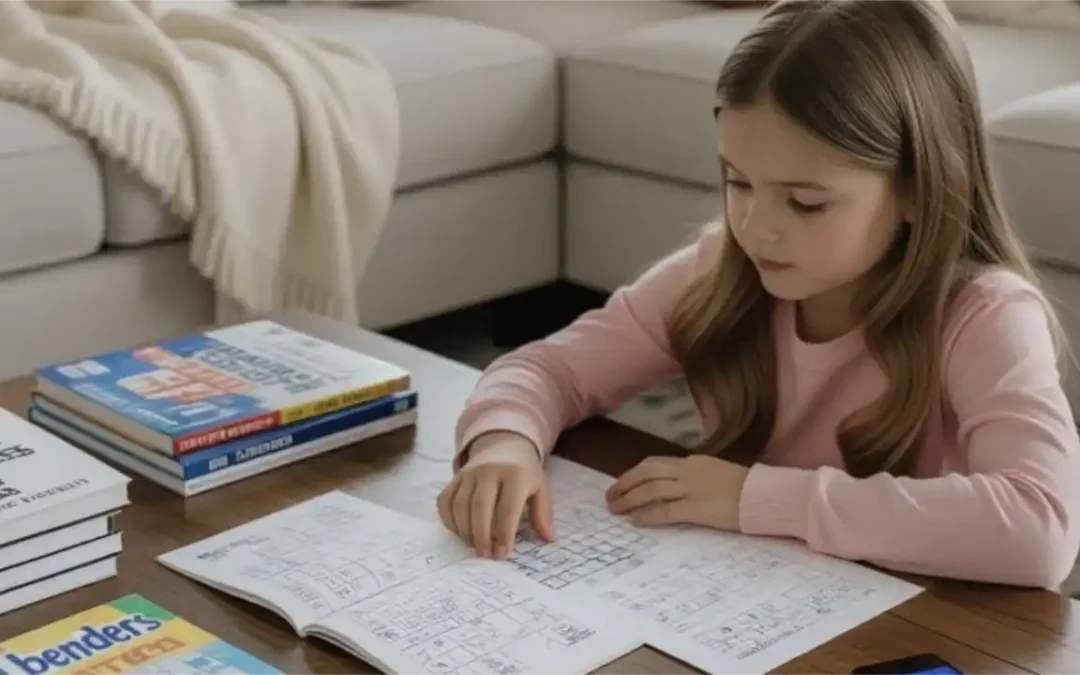
Strategic Problem-Solving: Solve Problems with Clues
Teach children to look for clues, test ideas, and try again. Clue-based reasoning strengthens persistence and careful observation.
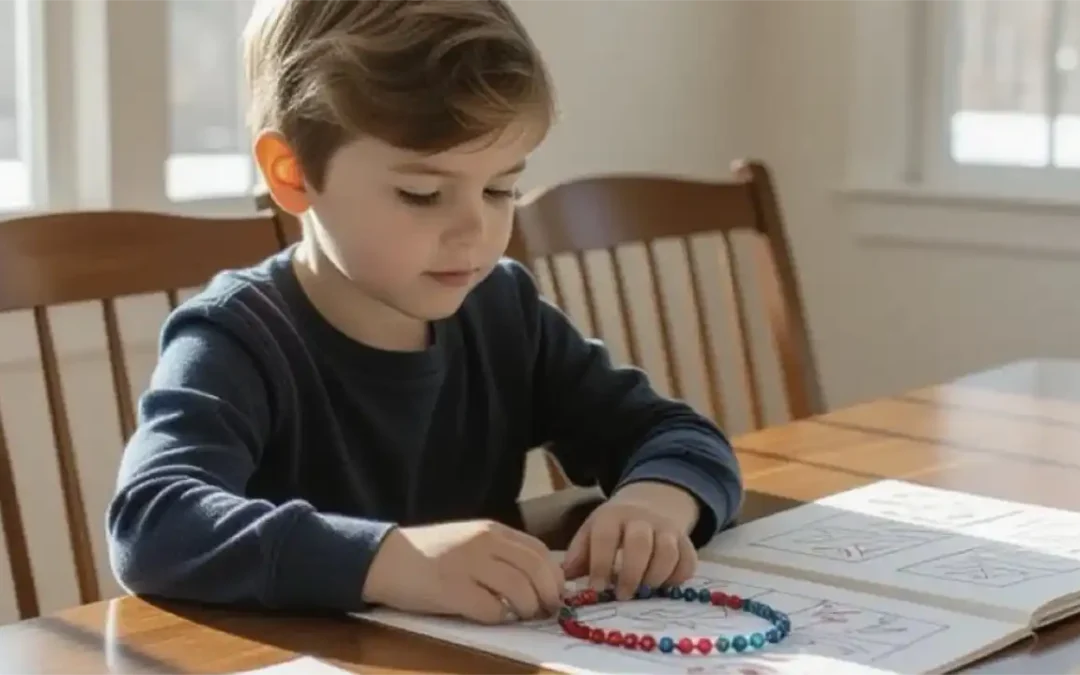
Strategic Problem-Solving: Recognize and Extend Patterns
Patterns help children understand math, language, and nature. Spotting patterns builds prediction, memory, and reasoning skills.
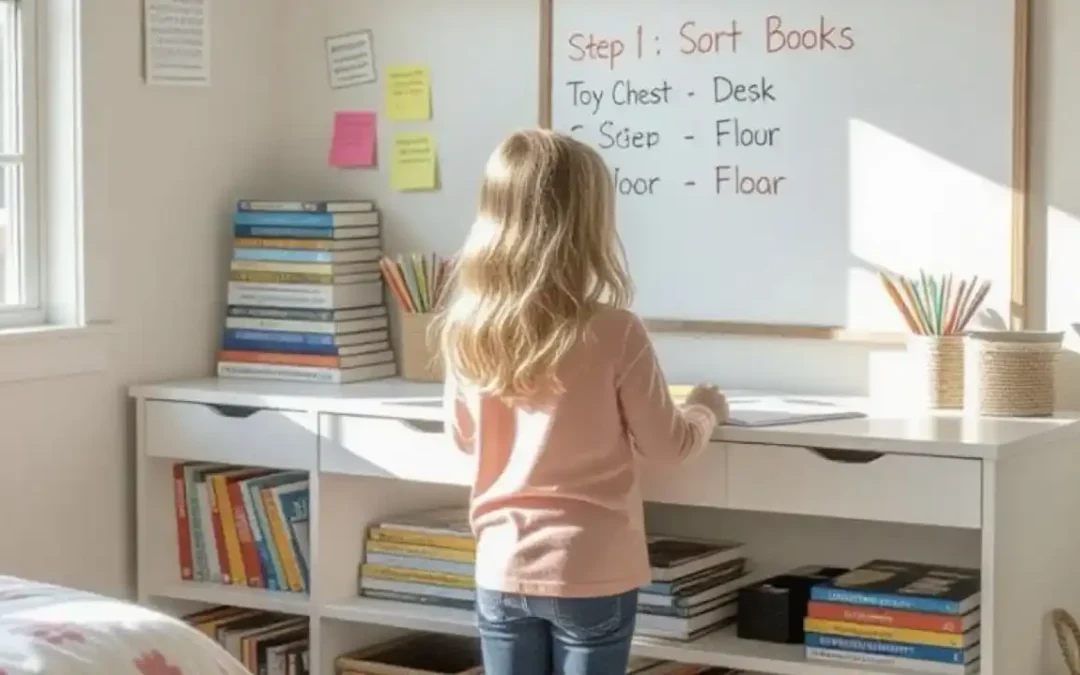
Strategic Problem-Solving: Break Big Problems Into Steps
Help children approach challenges by dividing them into manageable pieces. This builds patience, logical thinking, and success over time.
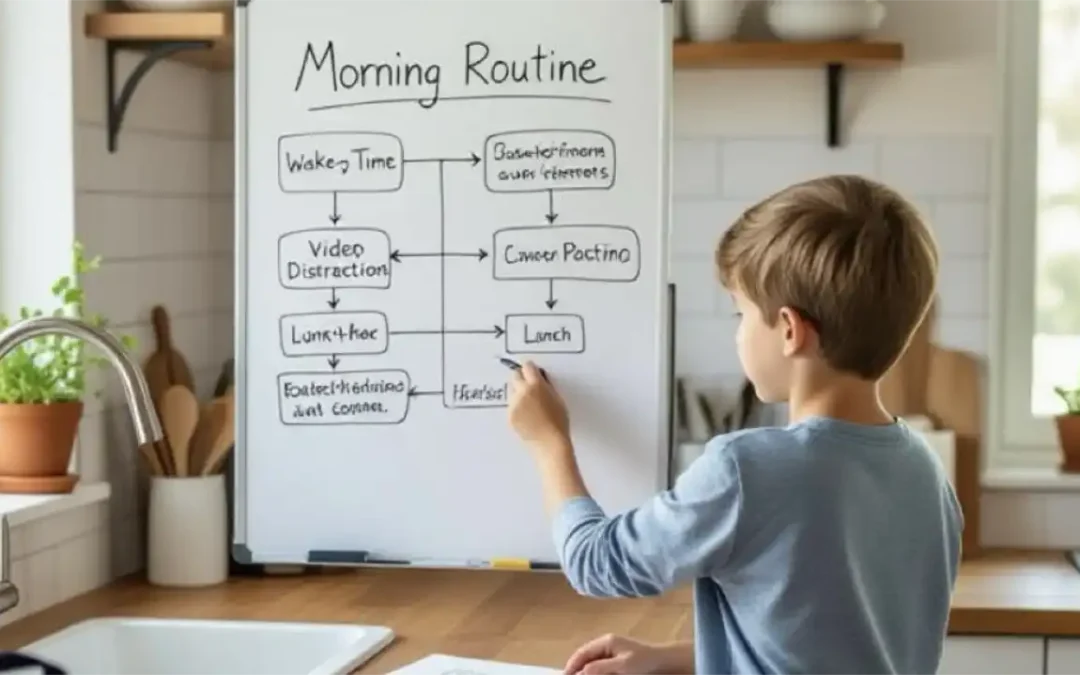
Strategic Problem-Solving: Think in Systems
Show children how parts connect within a whole. Systems thinking encourages clarity, planning, and thoughtful decision-making.
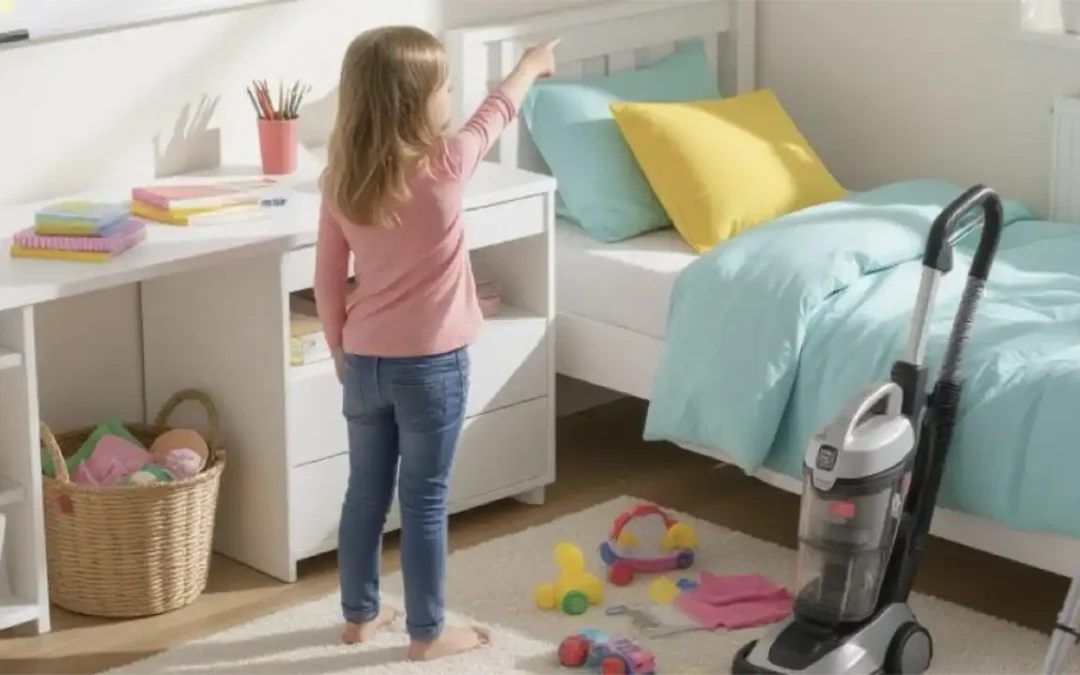
Strategic Problem-Solving: Sequence Complex Tasks Effectively
Teach children to break big tasks into simple steps. Sequencing builds problem-solving skills, independence, and confidence.
Social and Emotional Insight
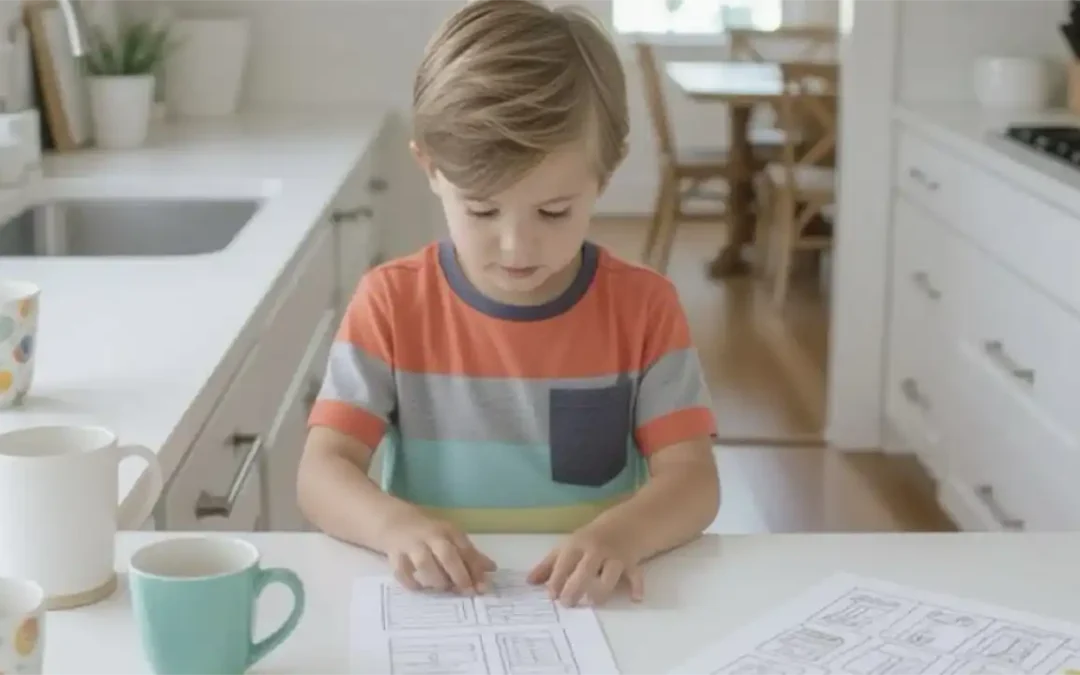
Social and Emotional Insight: Notice Crucial Details Others Miss
Teach children to observe carefully. Attention to detail strengthens problem-solving, creativity, and awareness.

Social and Emotional Insight: Uncover Hidden Motives Thoughtfully
Help children recognize intentions behind actions. Understanding motives encourages emotional intelligence and mature reasoning.

Social and Emotional Insight: Understand Different Perspectives
Seeing through another’s eyes builds empathy and wisdom. Guide children to consider how others think and feel.
Communication & Expression

Communication and Expression: Research Deeply Across Sources
Teach children to search widely and compare information. Deep research strengthens independent thinking and careful judgment.
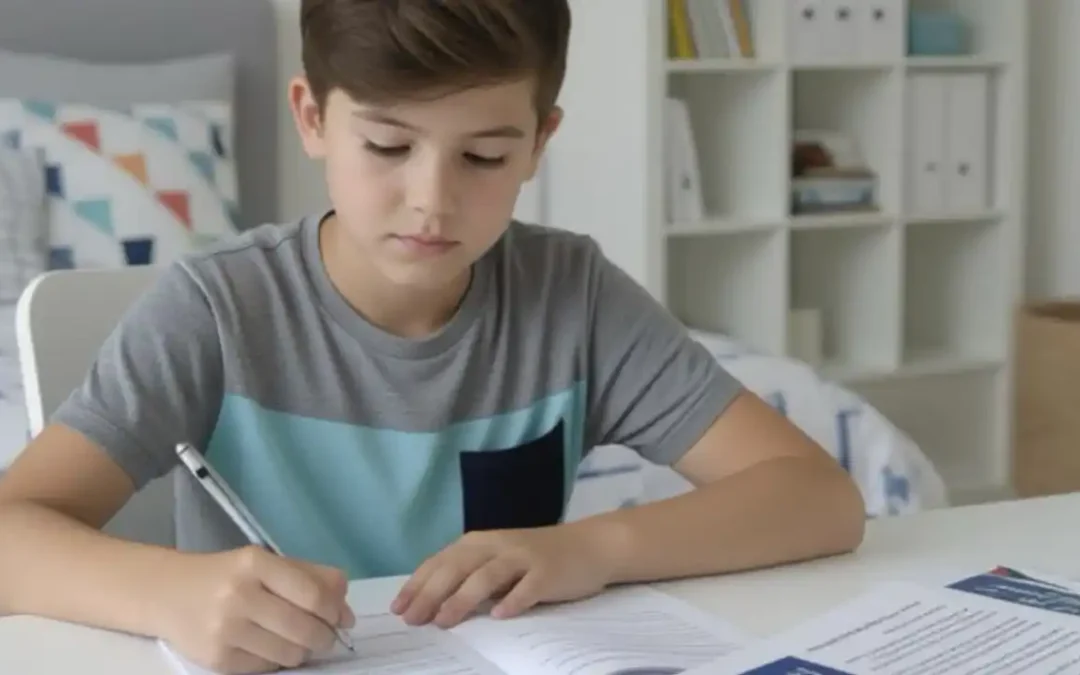
Communication and Expression: Master Persuasive and Precise Language
Effective communication opens doors. Help children use language with clarity, respect, and confidence in discussions and writing.

Communication and Expression: Build Arguments with Evidence
Children learn to persuade respectfully when they use evidence. Guide them to support claims with clear reasoning and thoughtful proof.

Communication and Expression: Distill Core Ideas from Complexity
Show children how to find the important idea in a sea of information. This skill builds clarity, confidence, and strong communication.
Training Mental Athletes: Conclusion
Forge your child’s mind with daily questions, puzzles, and debates to build reasoning, memory, focus, and problem-solving. Discover how to raise resilient thinkers ready for any challenge.
Nurturing Lifelong Curiosity

Nurturing Lifelong Curiosity
Ignite your child’s curiosity like in ancient Greek agoras, turning daily moments into joyful discoveries. Discover how to foster questioning habits and a love for life’s mysteries at home.
Sparking Wonder

Sparking Wonder: Share Your Wonders
Share what amazes you. Modeling wonder invites your child to explore with openness, imagination, and emotional connection.
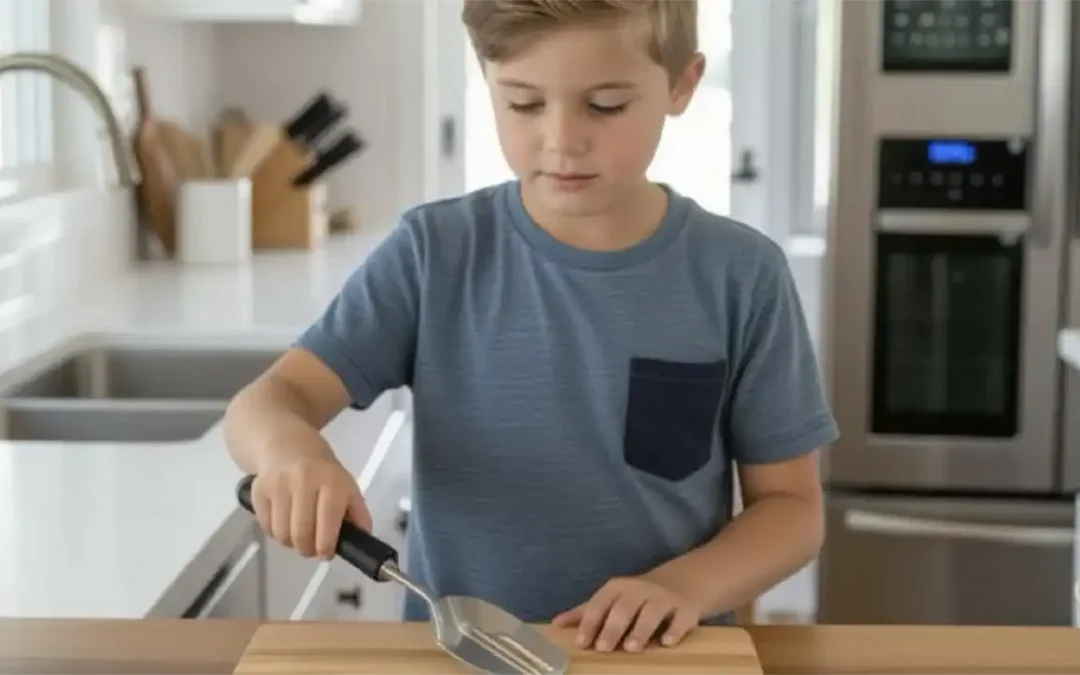
Sparking Wonder: Encourage Their Guesses
Guessing invites playful reasoning. Support children as they make predictions, explore ideas, and learn from discovery.

Sparking Wonder: Celebrate Their Marvels
Celebrate the wonders children discover. Encouragement strengthens curiosity, emotional connection, and joyful learning.
Wandering Freely

Wandering Freely: Cheer Their Bold Ventures
Celebrate when children take brave steps into new challenges. Encouragement builds confidence, resilience, and a sense of personal strength.

Wandering Freely: Roam Without Aim
Unstructured exploration nurtures imagination and self-direction. Give children room to wander, wonder, and discover what draws them.
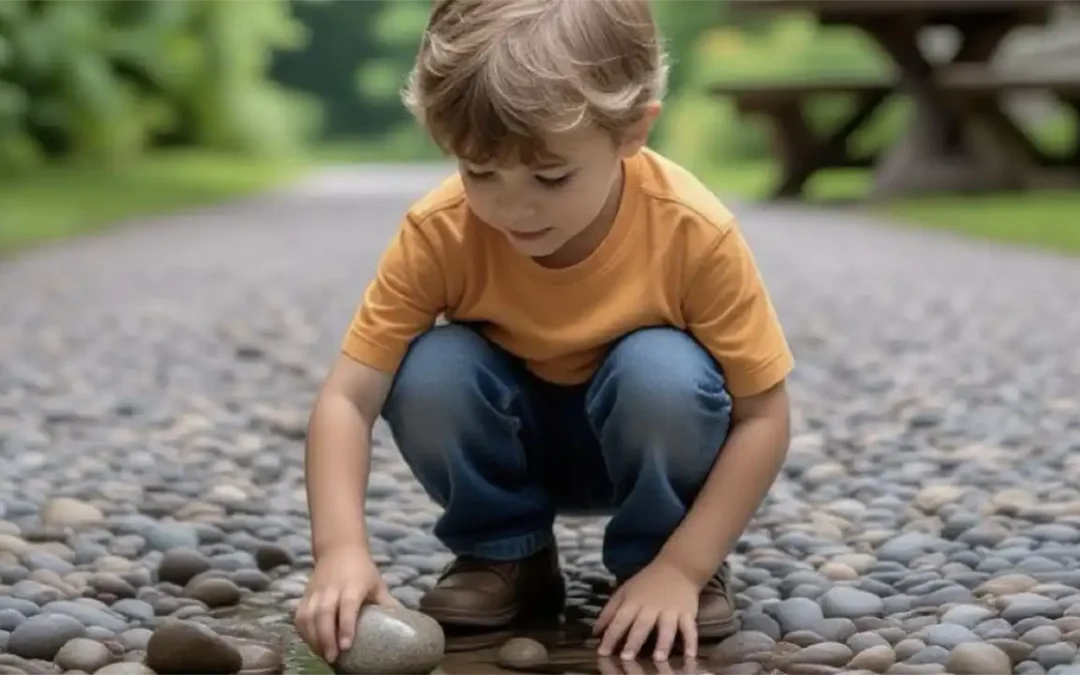
Wandering Freely: Follow Their Whims
Let curiosity lead. Following children’s natural interests builds joyful learning, confidence, and deeper motivation.
Cherishing Questions

Cherishing Questions: Connect with Others
Friendships shape emotional growth. Help children develop meaningful connections that teach empathy, communication, and collaboration.

Cherishing Questions: Honor Their Asking
When children ask questions, they reveal their wonder. Respond with patience to build confidence, communication, and trust in their own thinking.
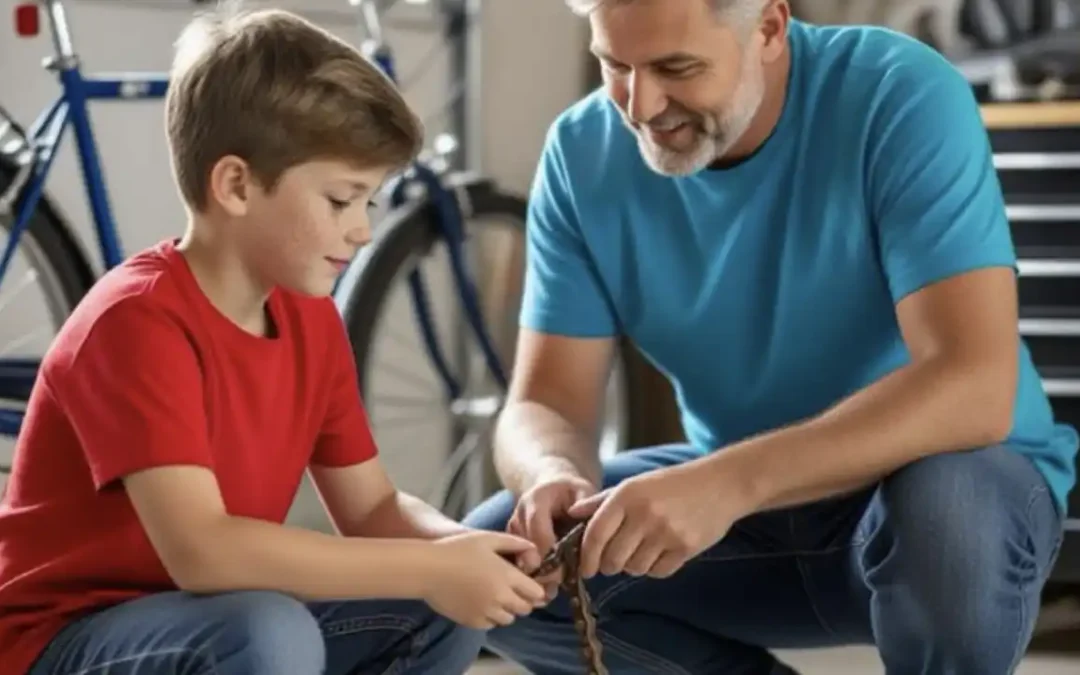
Cherishing Questions: Explore as Partners
Learn alongside your child. Shared exploration strengthens trust, curiosity, and emotional connection through meaningful experiences.
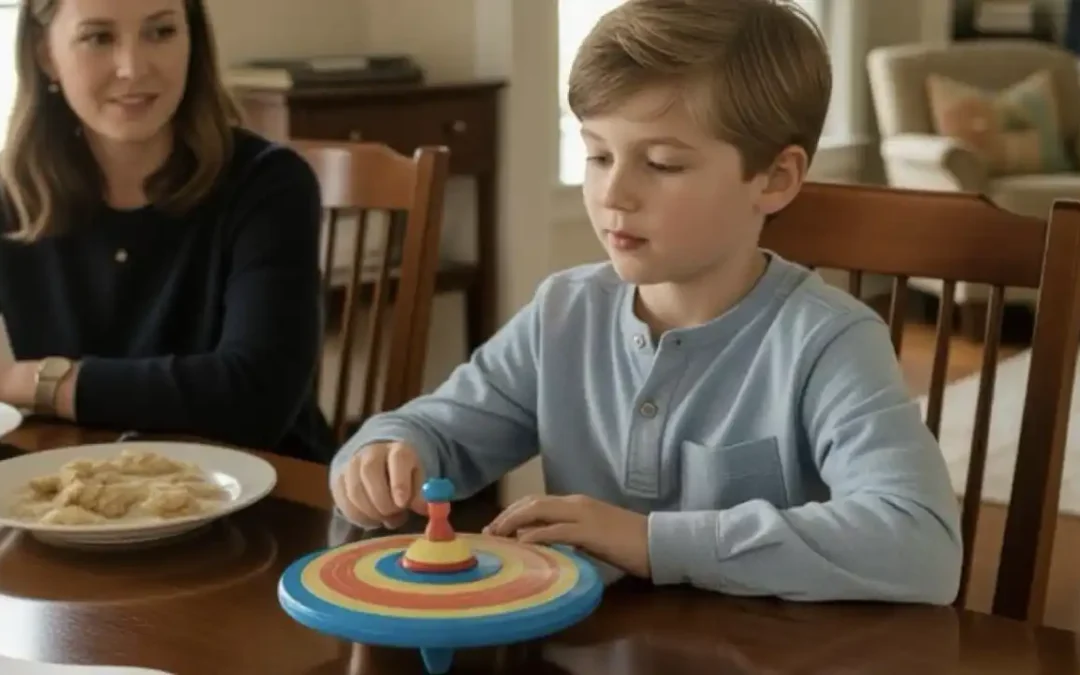
Cherishing Questions: Invite Their Whys
Welcome every child’s “why?” as a doorway to deeper thought. Encouraging questions nurtures curiosity, critical thinking, and joyful learning.
Rooting Curious Habits
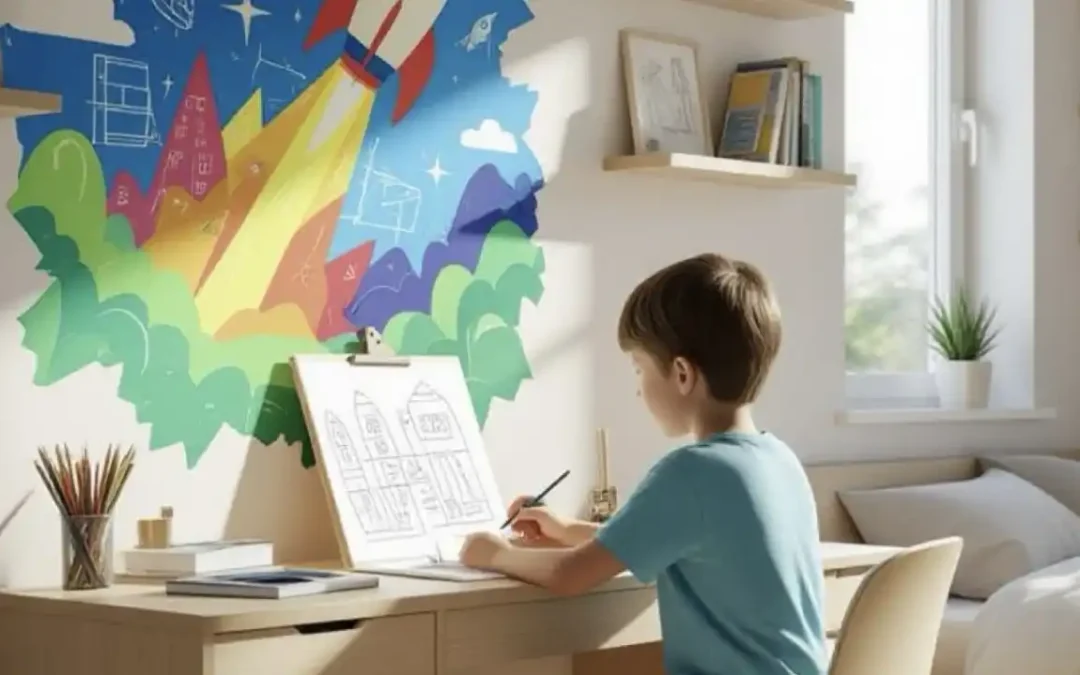
Rooting Curious Habits: Ignite Their Dreams
Support children’s ambitions with encouragement and curiosity. Big dreams inspire confidence, direction, and meaningful purpose.
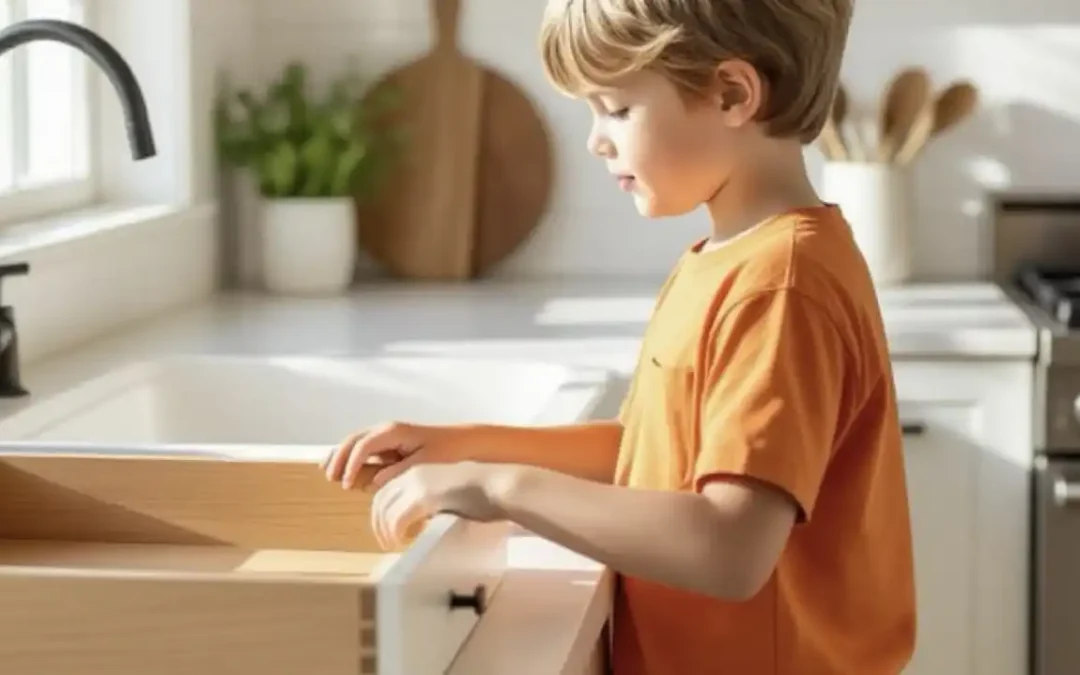
Rooting Curious Habits: Reward Their Efforts
Rewarding your child’s effort—not just results—builds resilience and intrinsic motivation. Celebrate persistence, courage, and growth.

Rooting Curious Habits: Share Your Whys
Let children hear your own questions and reasoning. Modeling curiosity shows that learning is lifelong and open-ended.

Rooting Curious Habits: Create Curious Moments
Small discoveries ignite big curiosity. Create moments of wonder in your children’s everyday life to spark imagination and joyful learning.
Facing the Unknown
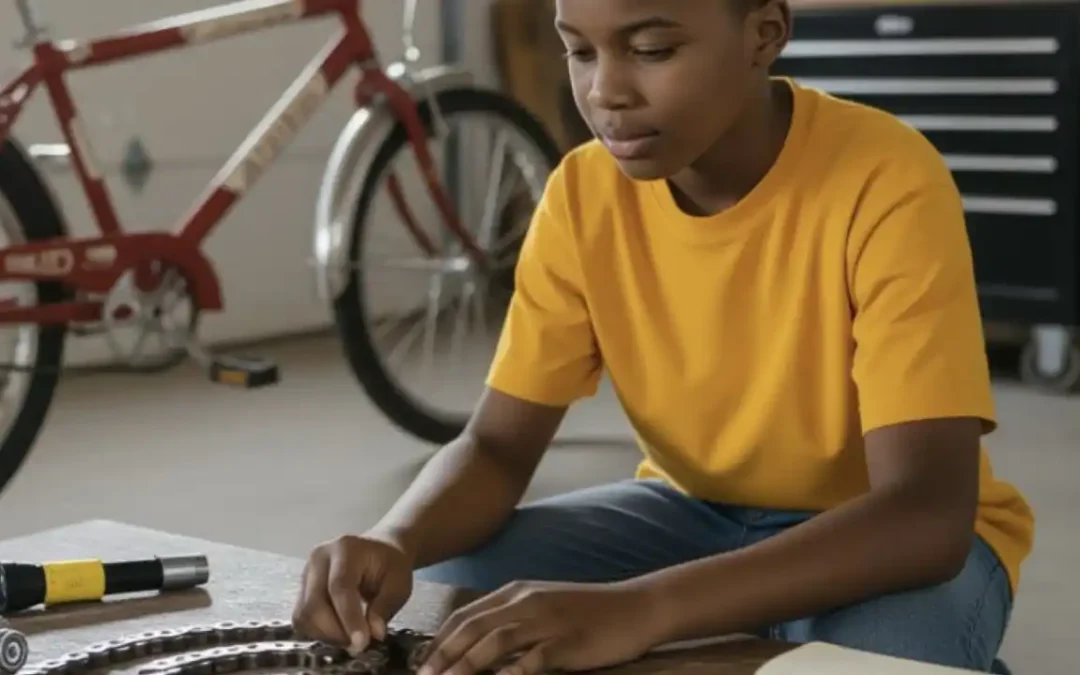
Facing the Unknown: Tie Whys to Places
Connect children’s big questions to real environments—museums, parks, cities. Learning becomes vivid when curiosity meets the world.

Facing the Unknown: Protect Their Wonder
Preserve children’s spark of curiosity. Limit pressure and distraction to keep learning joyful, imaginative, and meaningful.

Facing the Unknown: Nurture Their Nerve
Confidence grows when children attempt difficult things. Encourage small risks that build mental strength and bold self-expression.

Facing the Unknown: Soften Their Fears
Help children face fears gently and bravely. Emotional safety fosters resilience, self-trust, and steady courage.
Nurturing Lifelong Curiosity: Conclusion
Welcome every why and share wanders to spark your child’s vibrant joy in life’s mysteries. Discover how to build bold questioning habits that light their path to wonder and growth.
Forging a Life of Purpose and Resilience

Forging a Life of Purpose and Resilience
Guide your child to a life of reason, resilience, and meaning with daily questions and values. Discover how to nurture purpose, grit, and integrity for a thoughtful, courageous future.
Embracing Reason and Self-Worth

Embracing Reason and Self-Worth: Defending Personal Values
Guide children to identify and protect their values with clarity and kindness. Strength of character grows through practice.
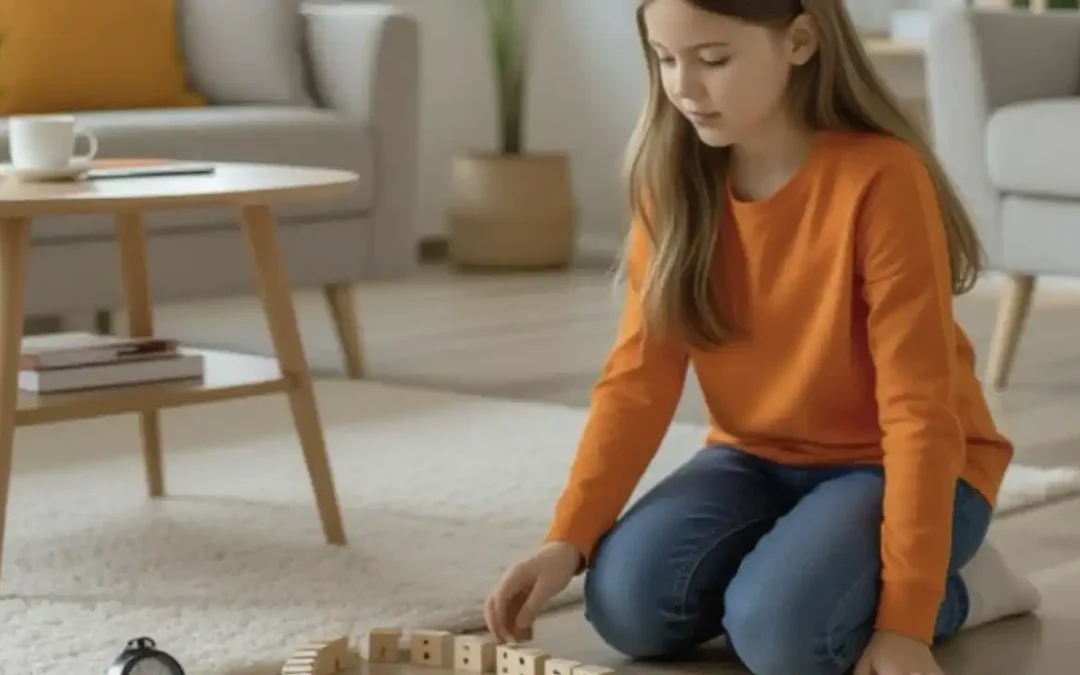
Embracing Reason and Self-Worth: Building Self-Esteem Through Effort
Self-esteem grows through effort and mastery—not praise alone. Support children in achieving goals step by step.

Embracing Reason and Self-Worth: Free Minds to Stand Alone
Encourage children to form their own views with courage and thoughtfulness. Independent thinking fosters confidence and individuality.

Embracing Reason and Self-Worth: Trusting the Rational Mind
Teach children to rely on evidence and reasoning. Confidence in their thinking builds independence, clarity, and calm decision-making.
Pursuing Purpose with Passion

Pursuing Purpose with Passion: Celebrating Productive Achievements
Celebrate your children’s meaningful effort and thoughtful results—not just when they win. Recognition builds confidence, pride, and healthy motivation.
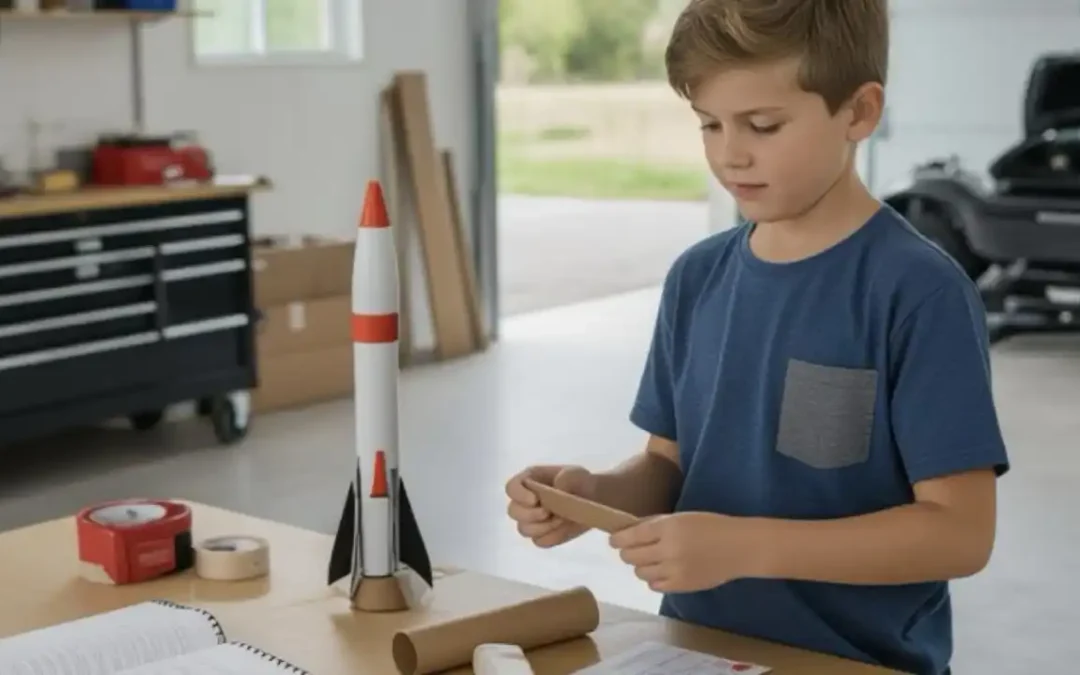
Pursuing Purpose with Passion: Channeling Ambition into Action
Turn dreams into plans. Teach children how to break desires into steps, building persistence, discipline, and joy in progress.

Pursuing Purpose with Passion: Identifying Personal Goals
Help children set meaningful goals that reflect who they are. Goal-setting builds direction, motivation, and self-confidence.
Mastering Emotional Resilience

Mastering Emotional Resilience: Learning From Adversity
Difficult moments become teachers. Help children reflect, adapt, and grow stronger through challenges.

Mastering Emotional Resilience: Cultivating Inner Calm
Support children in finding calm through breathing, reflection, and routine. Inner peace strengthens focus and emotional balance.
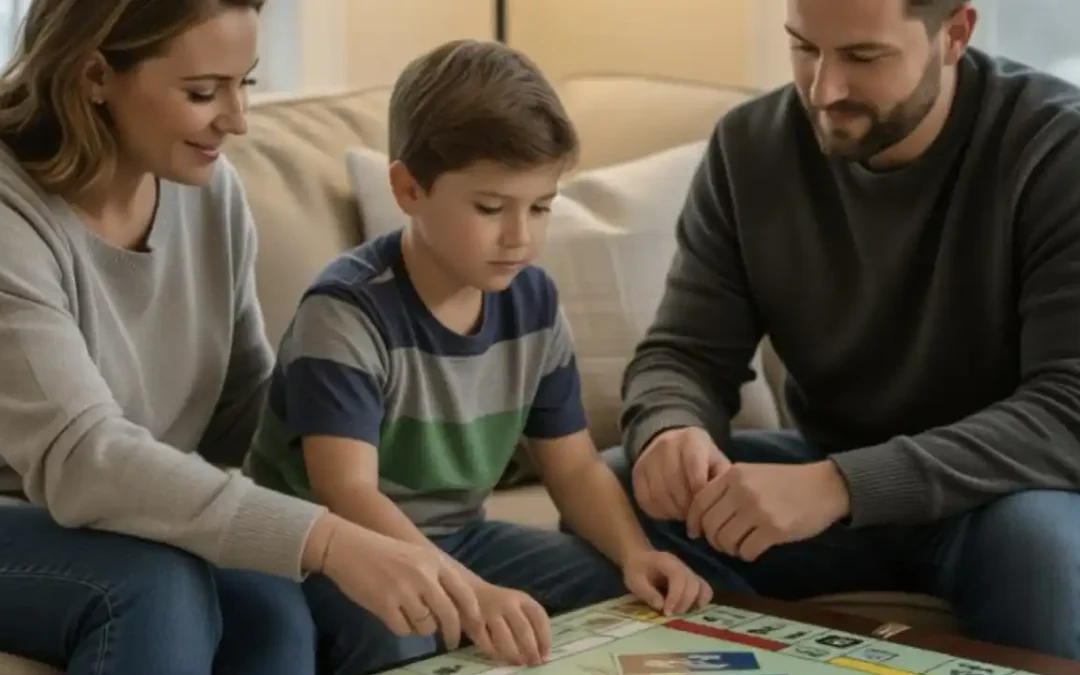
Mastering Emotional Resilience: Accepting What Cannot Be Changed
Teach children to recognize what’s in their control. Acceptance builds emotional strength, calm, and resilience.
Living with Virtue and Balance

Living with Virtue and Balance: Maintaining Temperance and Moderation
Teach children how to balance desires, emotions, and choices. Moderation supports emotional stability and healthy self-regulation.
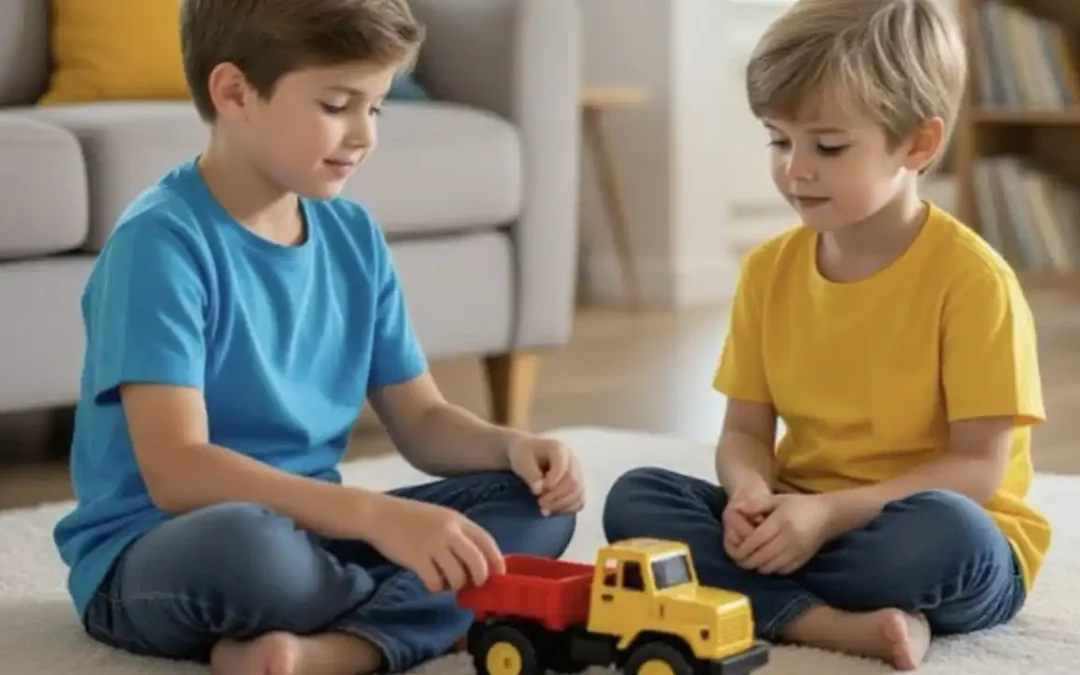
Living with Virtue and Balance: Embracing Justice and Fairness
Help children treat others with fairness and respect. Teaching justice builds empathy, responsibility, and strong moral character.
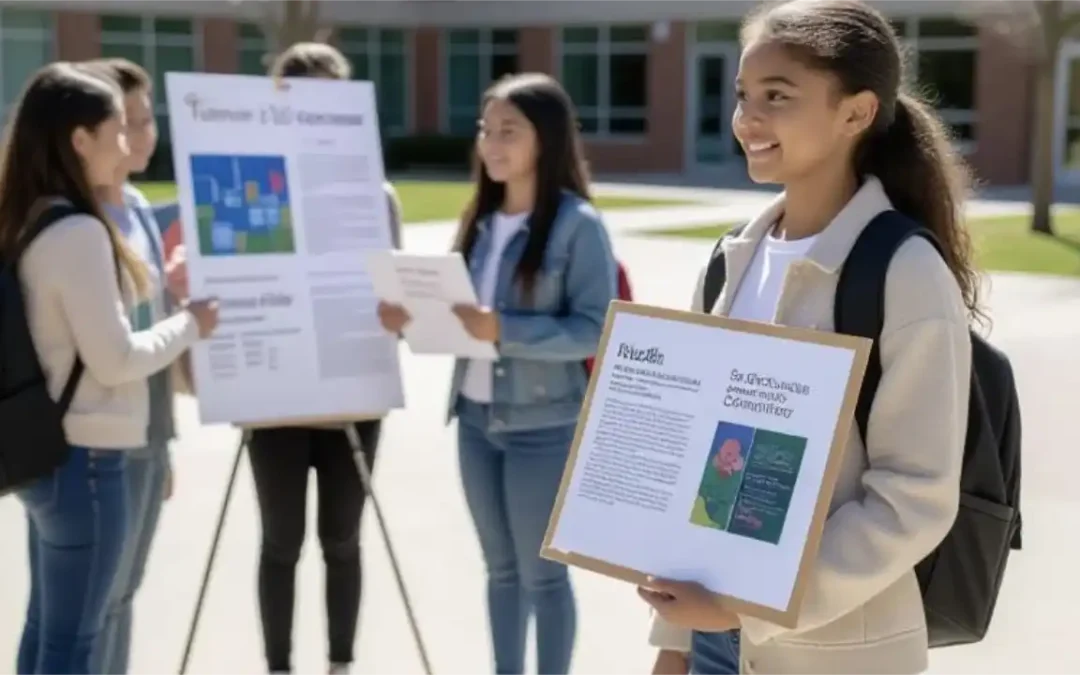
Living with Virtue and Balance: Choose the Individual over the Collective
Teach children to think for themselves, even when others disagree. True confidence comes from thoughtful individuality.

Living with Virtue and Balance: Practicing Courage in Daily Life
Courage develops through small, everyday acts. Encourage bravery in conversation, exploration, and new experiences in your kids.
Integrating Philosophy into Daily Life
Integrating Philosophy into Daily Life: Reinforcing Purpose Through Rituals
Meaningful rituals give children stability and direction. Use small, shared routines to foster belonging and purpose.

Integrating Philosophy into Daily Life: Sharing Reflections as a Family
Family reflection deepens understanding and connection. Create calm spaces to talk, listen, and grow together with empathy.

Integrating Philosophy into Daily Life: Weaving Reason into Routines
Daily routines can teach clarity and thoughtful action. Encourage children to pause, reflect, and use reason in everyday decisions.
Creating Value as a Producer
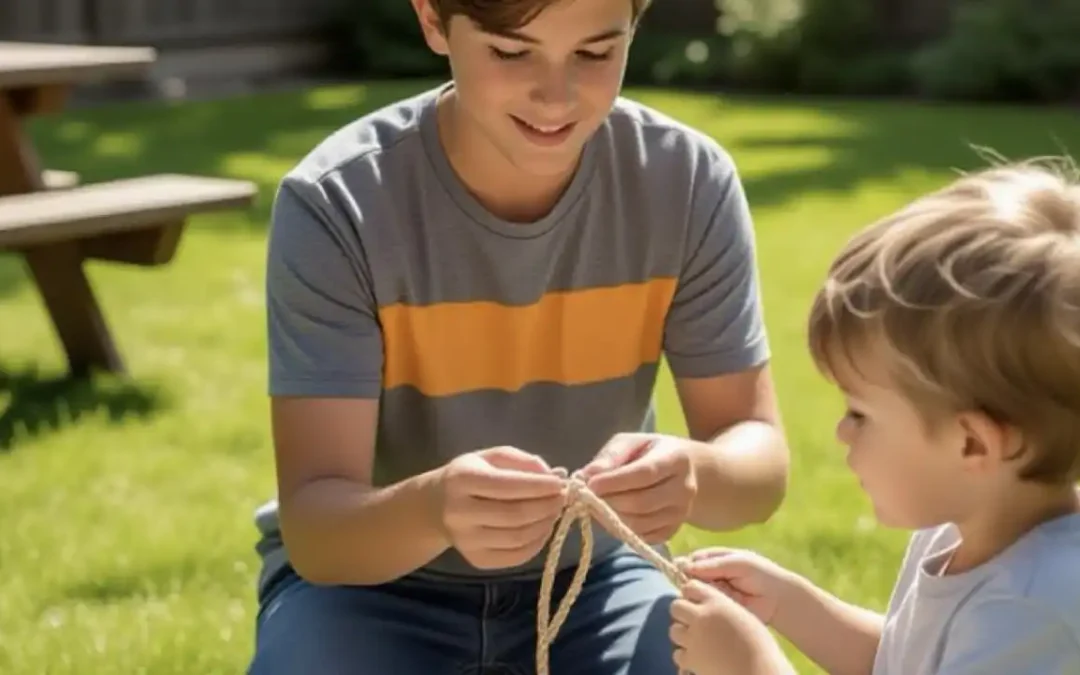
Creating Value as a Producer: Think Beyond Yourself
Help children consider the needs and feelings of others. Compassion and awareness support empathy and moral maturity.

Creating Value as a Producer: Sharing Creations with the World
Encourage children to share their work publicly. Creative contribution builds confidence, communication skills, and joy.
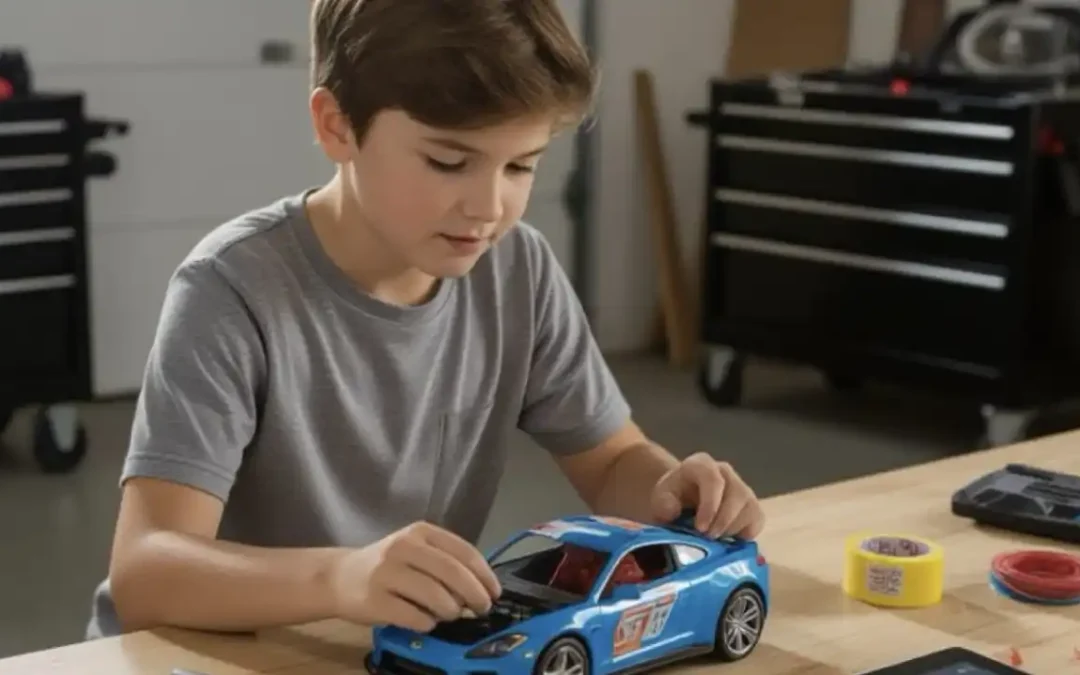
Creating Value as a Producer: Building Skills to Contribute
Guide children to develop practical skills that matter. Contribution nurtures independence, pride, and a sense of capability.

Creating Value as a Producer: Understanding the Role of a Producer
Teach children they can create value in the world. Understanding purpose and contribution builds confidence and initiative.
Forging a Life of Purpose and Resilience: Conclusion
Weave reason, resilience, and virtue into your child’s worldview for a life of integrity. Discover how to nurture purpose, grit, and wisdom through daily questions and habits at home.
Conclusion
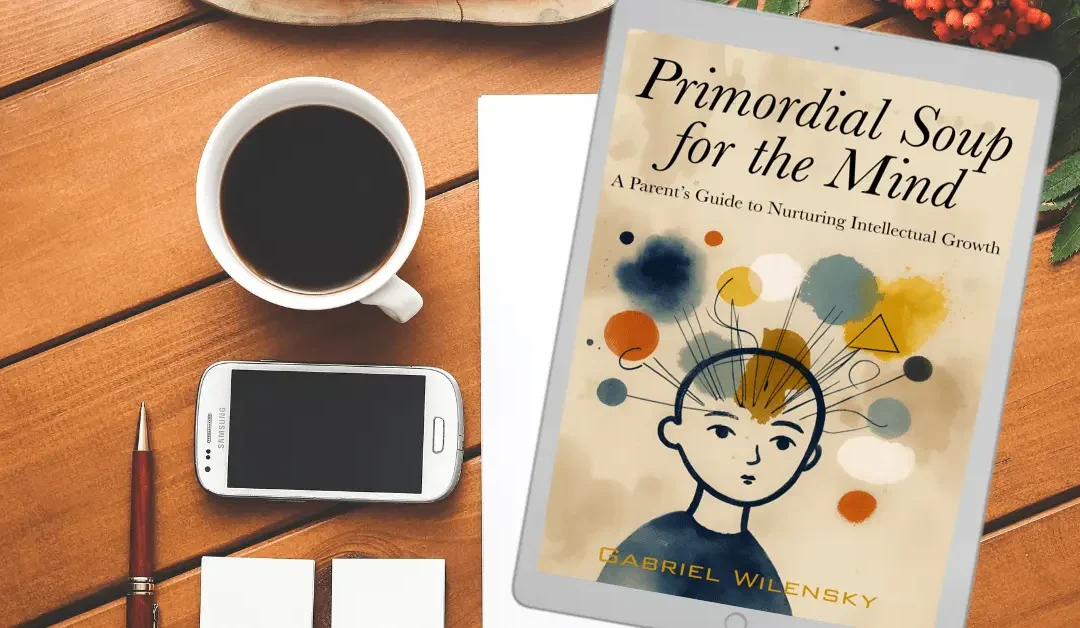
Primordial Soup for the Mind: A Parent’s Guide to Nurturing Intellectual Growth – Conclusion
Conclusion to the book Primordial Soup for the Mind: A Parent’s Guide to Nurturing Intellectual Growth by Gabriel Wilensky.
