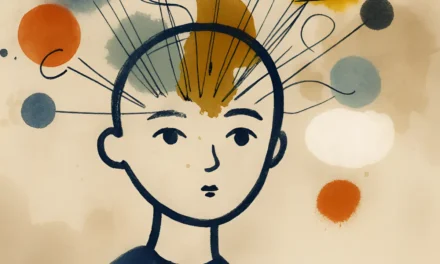



Integrating Learning into Family Activities: Screens or Stories: What Shapes the Mind?
A
child raised on stories sees the world as a web of meaning, symbols, and cause and effect. A child raised on passive screens learns to expect stimulation without effort. Stories invite the mind to reach—screens keep it still. This isn’t a call to ban all devices, but to recognize that screens and stories shape two very different mental worlds. When children grow up in homes where stories are valued—told aloud, read together, or reflected on privately—they come to see reading not as a school task, but as a primary way of understanding the world. In contrast, when screen time dominates the day, it gradually reshapes attention, appetite, and even identity.
When my daughter was younger, she’d sometimes ask for a cartoon after school. Instead of saying no outright, I started offering her a story first. I’d say, “Let’s read one chapter, and if you still want the show, it’s yours.” At first, she’d power through the chapter just to get to the screen—but over time, something shifted. She began asking if we could do two chapters. Then she started forgetting about the show entirely. Now, stories are her default after-school routine. The screens are still around, but they’ve lost their grip.
A child who reads builds the power to sit with uncertainty, to imagine what isn’t visible, to follow a thread of logic across a page. Screens too often short-circuit that process. They offer pre-digested plots, instant resolutions, constant novelty. Help your child see the difference. Let them feel what it’s like to fall into a world built by words—not pixels. Set a routine that privileges story time, whether read aloud or quietly alone, and treat screens as the option that comes after that—not before.
Integrating Learning into Family Activities
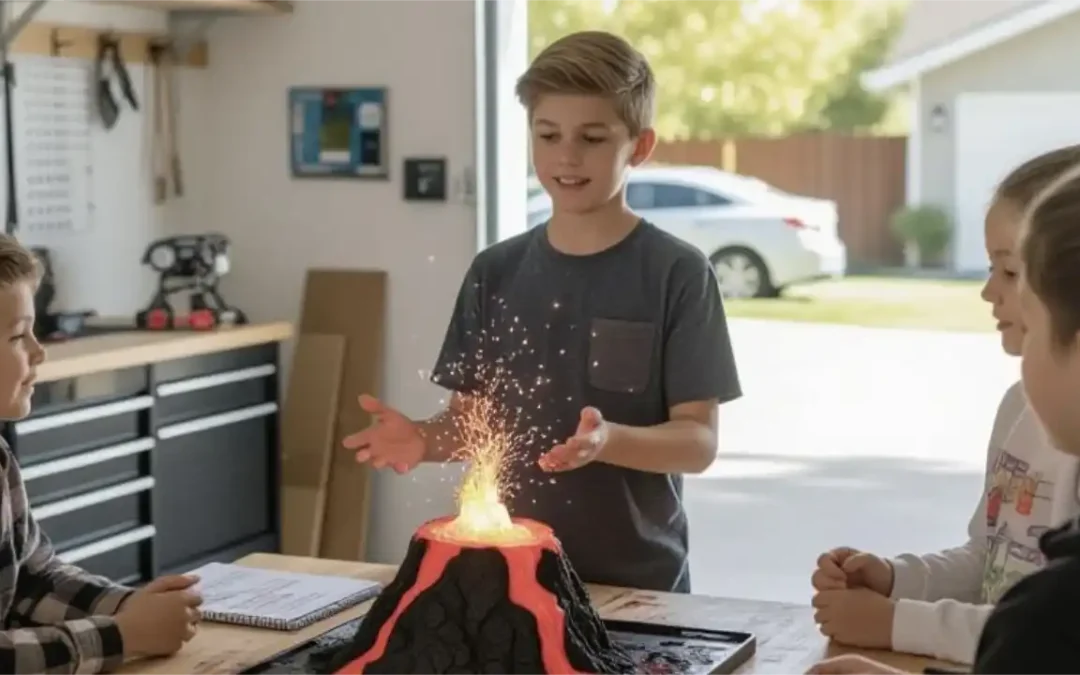
Integrating Learning into Family Activities: Blend Teamwork and Competition in Science Fairs
Science fairs teach inquiry and creativity. Support healthy balance between teamwork, curiosity, and friendly challenge.

Integrating Learning into Family Activities: Hunt for History with Scavenger Games
History scavenger hunts bring learning to life. Explore artifacts, stories, and places to build curiosity and memory.

Integrating Learning into Family Activities: Make Family Game Nights Educational
Game nights can build logic, communication, and cooperation. Choose games that encourage learning while keeping play joyful.
Table of contents
A Parent’s Guide to Raising Thinking Kids
Navigate the book Primordial Soup for the Mind.
TIPS
- Offer books first, screens later—not the other way around
- Talk about the stories they love, not just what they “got” from them
- Be transparent about your own screen habits and limits
ACTIVITIES
- Chapter Before Chill: Set a rule—read a chapter before any screen goes on
- Book Basket: Keep a rotating selection of books in common rooms
- Story Swap: Have family members take turns recommending favorite stories
EXAMPLE
My daughter used to reach for cartoons after school. I offered to read with her first—and soon, the stories became what she looked forward to most.
Download “Primordial Soup for the Mind: A Parent’s Guide to Nurturing Intellectual Growth”
Get every parenting chapter on this site in one book you can keep and read offline.

Sharpen those skills!
Enter your information to get our FREE practice exercises so you can hone your critical thinking and reasoning skills!




0 Comments