
Exploring Historical and Cultural Knowledge: Unravel History’s Living Threads
O
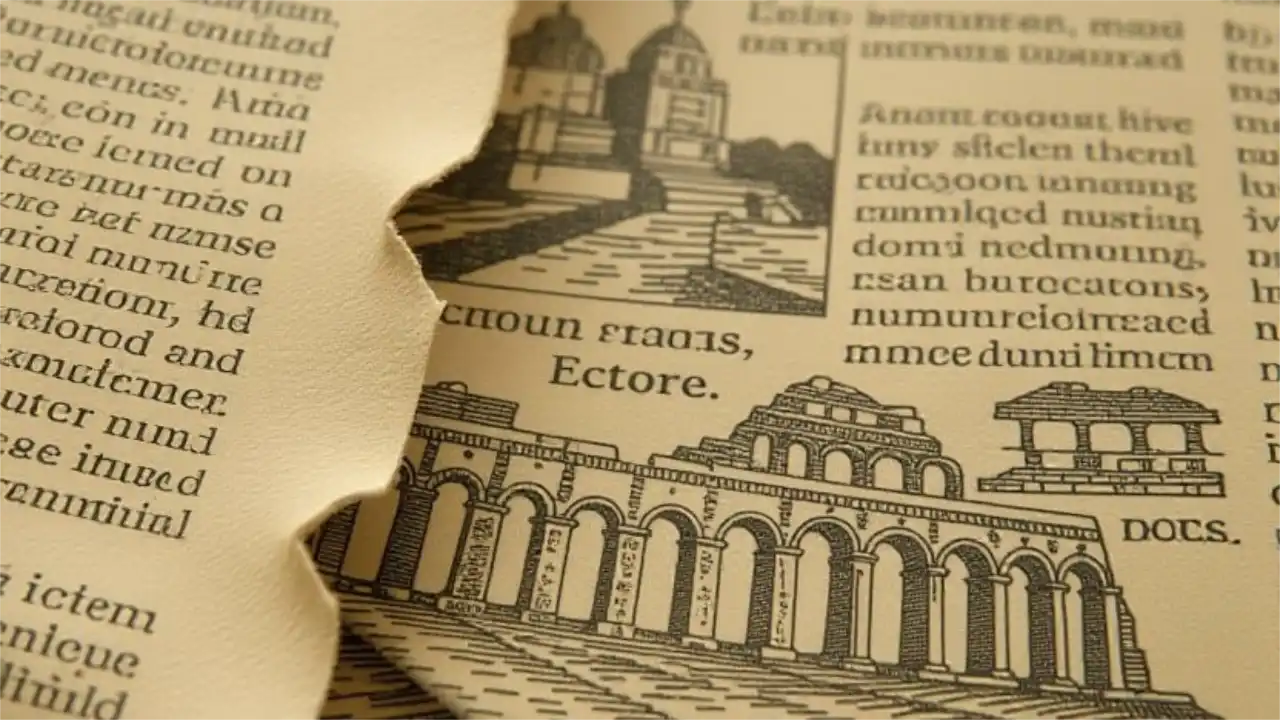
nly a tiny fraction of history’s stories make it into textbooks, yet each one carries lessons that echo in today’s world. When children explore how Renaissance trade routes shaped global markets or how ancient aqueducts inspired modern infrastructure, they start to see the past as a living force. These threads of continuity sharpen their curiosity and help them realize that human effort across centuries still influences what they encounter now.
A friend’s child once spotted an old stone bridge and asked, “Who built that?” That single question sparked an afternoon of discovery. They read about medieval engineers and traced how early designs evolved into today’s architecture. Later, the child used what they’d learned in a school project, impressing their teacher and developing a fascination with design. These cross-temporal links help kids see that history isn’t distant—it’s alive in the streets, buildings, and ideas all around them.
You can nurture this kind of thinking by helping your child uncover the history behind something familiar—how a street got its name, where spices came from, or how an everyday object evolved. Go for a walk and wonder aloud who laid the bricks or shaped the skyline. Support their curiosity with books, maps, or museum visits. The more connections they build, the more confident they become in analyzing change, spotting patterns, and interpreting the world as a layered, ongoing story.
Exploring Historical and Cultural Knowledge
Exploring Historical and Cultural Knowledge: Join Cultural Events and Traditions
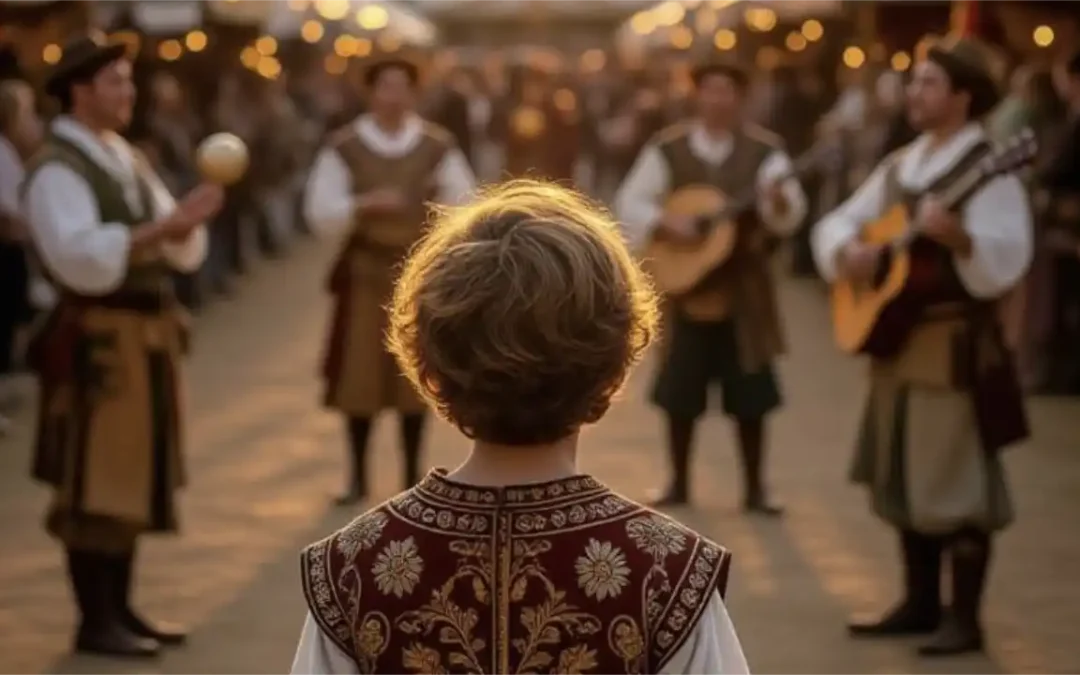
Participating in cultural traditions builds identity and belonging. Learn how shared celebrations strengthen family connection and cultural awareness.

Exploring Historical and Cultural Knowledge: Encourage Reading Books from Different Eras and Cultures
Reading across eras and cultures expands children’s worldviews, empathy, and curiosity. Learn how to curate a diverse home library for strong thinkers.
Table of contents

Primordial Soup for the Mind: Navigation
Navigate the book Primordial Soup for the Mind.
TIPS
- Share engaging historical anecdotes.
- Ask “How does this affect us today?” to deepen thought.
- Use maps to visualize connections.
ACTIVITIES
- Impact Talk: Discuss an event and ask, “What changed because of it?” Talk for 15 minutes.
- Connection Talk: Pick an invention and ask, “How do we use it now?” Discuss for 10 minutes.
EXAMPLE
My daughter linked ancient roads to highways, boosting her geography project.
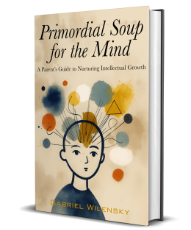
Download “Primordial Soup for the Mind: A Parent’s Guide to Nurturing Intellectual Growth”
Enter your information to get this article and hundreds more as part of the FREE book Primordial Soup for the Mind.
Share your thoughts with the Thought Academy community in the Comments section below.

Sharpen those skills!
Enter your information to get our FREE practice exercises so you can hone your critical thinking and reasoning skills!




0 Comments