



Encouraging Curiosity and Exploration: Spark Big Questions About the World
C
hildren don’t need encyclopedic facts to feel awe—they need good questions. Ask, “What would the world be like without time?” and suddenly clocks, schedules, and even the rotation of the Earth become mysteries worth exploring. These questions awaken the same wonder that stirred Enlightenment thinkers like Voltaire or Diderot. We can still invite children into the spirit of fearless inquiry by asking questions that nudge them to look twice at what they thought they understood. That habit of curiosity prepares them to think deeply, reason clearly, and stay open to new ideas.
One evening, my daughter asked, “Why can’t we just make more time?” That launched a family debate about calendars, planetary motion, and sleep cycles. I asked, “If a day were 30 hours, what would change?” She suggested longer naps, while her brother worried about extra school. We laughed—and then pulled out books and videos to learn how time works. Later that week, she posed her own question to a friend: “Do you think we’d still have birthdays without months?” These moments built not only knowledge, but the courage to ask and imagine.
Start a weekly tradition of asking big, open-ended questions. Write each one in a shared notebook, and explore possible answers through conversation, books, or videos. Let your child come up with a few questions of their own. The point isn’t to find a final answer—it’s to learn how to wonder well. Curiosity, once practiced, becomes a habit that will guide them through school projects, friendships, and lifelong learning.
Encouraging Curiosity and Exploration
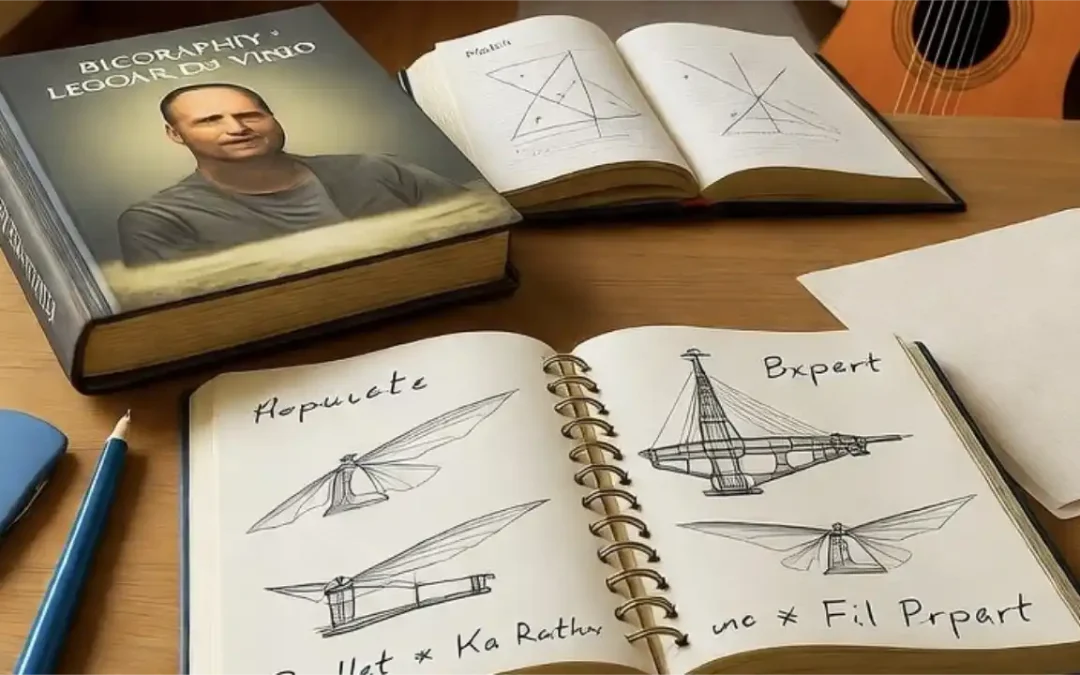
Encouraging Curiosity and Exploration: Pursue Breadth Before Depth
Allow children to explore wide interests before specializing. Broad curiosity builds flexible thinking and strong learning foundations.

Encouraging Curiosity and Exploration: Ignite Curiosity with Star-Gazing Challenges
Stargazing inspires awe and big thinking. Use nighttime sky-watching to spark curiosity about science, space, and our place in the universe.
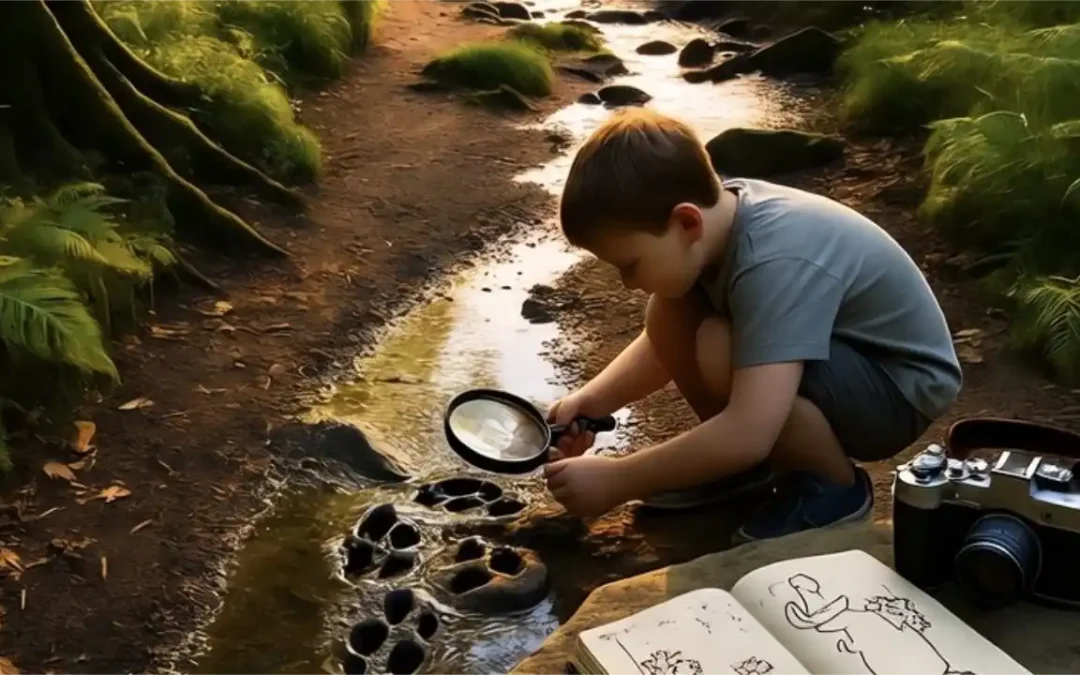
Encouraging Curiosity and Exploration: Explore Nature with Outdoor Discoveries
Outdoor exploration nurtures curiosity and calm. Help children observe nature, build awareness, and feel connected to the living world.
Table of contents

Primordial Soup for the Mind: Navigation
Navigate the book Primordial Soup for the Mind.
TIPS
- Turn the question back: “What do you think?” hooks them.
- Cheer weird ideas—wild guesses spark the best finds.
- Keep a journal for their questions.
- Suggest weekly discussion sessions.
ACTIVITIES
- Sky Hunt: Spot a color or cloud, guess why, check a book or web, 15 minutes.
- Why Box: Write a daily question, pick one to answer together, 10 minutes.
EXAMPLE
My son’s question about rain got us stuck on weather books—he is our forecast kid now.
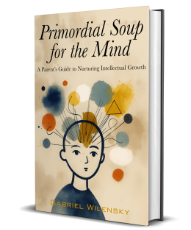
Download “Primordial Soup for the Mind: A Parent’s Guide to Nurturing Intellectual Growth”
Enter your information to get this article and hundreds more as part of the FREE book Primordial Soup for the Mind.
Share your thoughts with the Thought Academy community in the Comments section below.

Sharpen those skills!
Enter your information to get our FREE practice exercises so you can hone your critical thinking and reasoning skills!




0 Comments