


Core Critical Thinking: Investigate Underlying Causes
C
hildren often jump to conclusions without considering what lies beneath events they witness, whether it’s a pet’s odd behavior or a surprising news story. Left unchecked, this habit stifles their curiosity and muddles their understanding of science, history, or daily life. Teaching them to ask, “What might explain this?” encourages a more thoughtful exploration of the world. It plants in them the seeds of analysis and patience, skills critical for success in fields that demand careful inquiry, like science, journalism, or law.
One morning, my son noticed our dog pacing back and forth, clearly agitated. His first instinct was to shrug it off. Instead, I asked him what might be causing it. He guessed it might be hunger or a strange sound outside. We tested the first theory by offering food, but the dog refused. We then listened closely and eventually heard the faint beep of a dying smoke detector battery. His face lit up with the realization. In that simple moment, he learned that looking deeper reveals answers hidden to the casual observer.
To foster this mindset, make curiosity a regular exercise. Pick a mystery from daily life each week — a strange noise, an unusual weather event, a story from the news — and encourage your child to list three possible causes. Help them test one theory, whether by observation, research, or simple experiments like testing reactions with kitchen science kits. Let them keep a “Why Journal” to log their hypotheses and findings. Field guides and problem-solving books can further stoke their curiosity. In time, they will stop accepting the surface of things and instead dig for the truth with vigor and excitement.
Core Critical Thinking

Core Critical Thinking: Strengthen Logical Reasoning
Develop logic through puzzles, questions, and analysis. Strong reasoning helps children make wise, confident decisions in life.
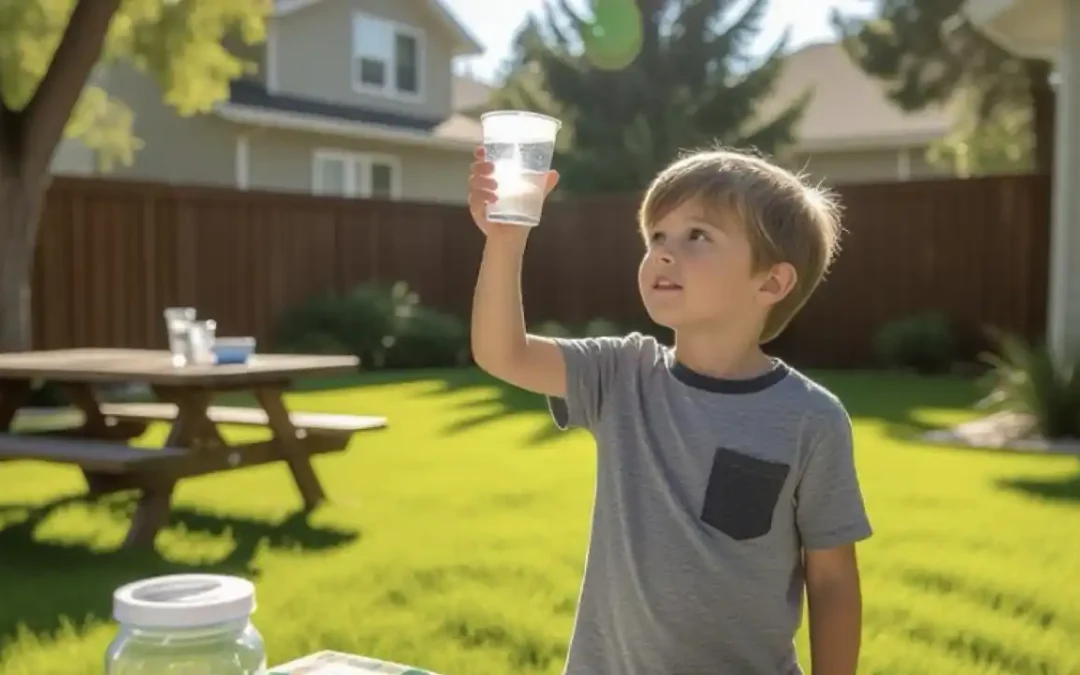
Core Critical Thinking: Test Reality with Science
Show children how to test ideas through observation and experimentation. Science nurtures accuracy, curiosity, and clear thinking.

Core Critical Thinking: Challenge False Patterns
Teach children to recognize when patterns mislead. Strengthen logical thinking and awareness of common reasoning mistakes.

Core Critical Thinking: Verify Information at the Source
Show children how to check original sources and reliable references. This builds strong critical thinking and informed judgment.
Core Critical Thinking: Question Every Claim
Encourage children to ask “How do we know?” Curiosity and reasoning help them think independently and avoid misinformation.
Table of contents

Primordial Soup for the Mind: Navigation
Navigate the book Primordial Soup for the Mind.
TIPS
- Ask “What’s the evidence?” to spark doubt.
- Praise keen questions to build confidence.
- Use a journal to track their doubts.
- Draw from passions like games or news.
- Share doubts over dinner to engage.
ACTIVITIES
- Pet Puzzle: Observe a pet’s behavior, name three causes, test one, 10 minutes.
- News Cause: Pick a story, list causes, check one, 10 minutes.
- Reaction Test: Use a kit to test a cause, pin results, 10 minutes.
TOOLS
Nature guides, Curious Minds book.
Download “Primordial Soup for the Mind: A Parent’s Guide to Nurturing Intellectual Growth”
Enter your information to get this article and hundreds more as part of the FREE book Primordial Soup for the Mind.
Share your thoughts with the Thought Academy community in the Comments section below.

Sharpen those skills!
Enter your information to get our FREE practice exercises so you can hone your critical thinking and reasoning skills!





0 Comments